
African Safari Packing List — What to Pack for Your Safari Adventure
African Safari Packing Guide. Essential Packing for an African Safari
African Safari packing List Guide
What to pack for an African Safari? Follow Below Packing Guide
Packing for an African safari requires a strategic balance between practicality and comfort to ensure you are prepared for the continent’s diverse environments. You should prioritize lightweight, breathable clothing in neutral tones such as khaki, beige, and olive.
These colors serve two purposes: they help you blend into the natural surroundings and, unlike dark blues or blacks, they do not attract tsetse flies. Avoid bright whites, which can startle wildlife, and camouflage patterns, which are reserved for military personnel in many African nations. Packing for an African safari is vastly different than packing for just about any other trip, and it’s often a challenge for first-time safari-goers.
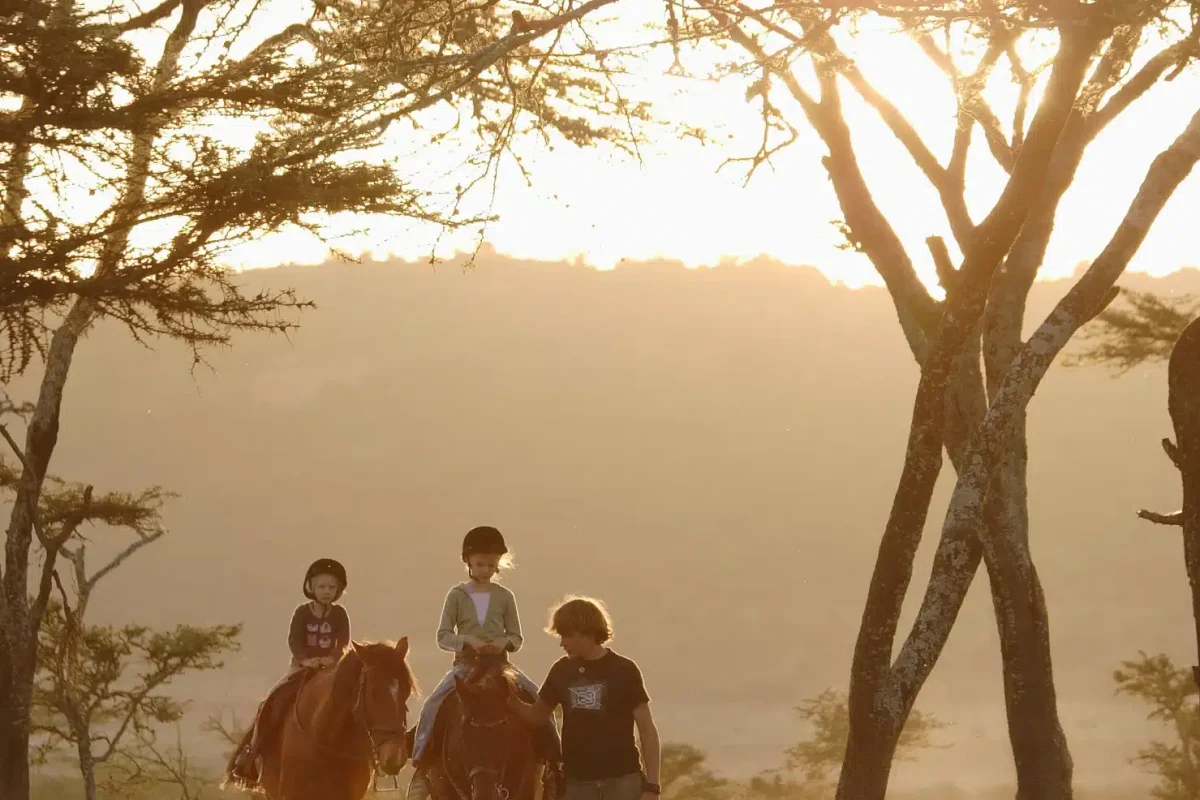
Not only do most safari-goers have weight restrictions on bush flights (a typical weight restriction is 15 kilograms or 33 pounds total per person, including camera equipment and carry-ons), but you also have the challenge of knowing which types of clothes to wear on safari are appropriate. Our Safari Experts have put together our tips for what to pack for an African safari.
Looking For a Safari in Africa?
Explore our collection of over 70 luxury African safaris. You can also contact us to design a bespoke, tailor-made adventure just for you.
African Safari Clothing Tips
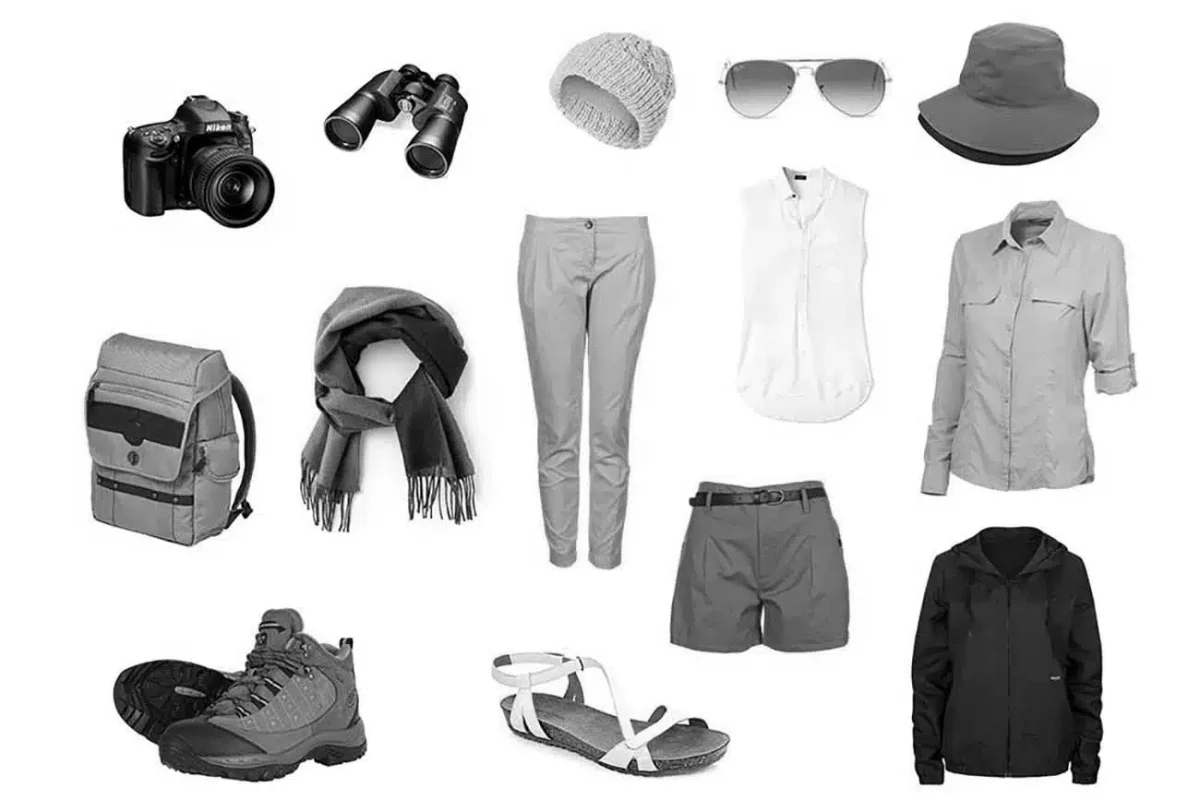
What clothes to pack for an African Safari?
The safari packing list below is based on our personal experience as well as the advice and recommendations from previous guests, along with our partners in-country. Follow the list, and you won’t worry about leaving something behind or taking something that you won’t need on your African safari. Our easy guide on what to pack for safari holidays provides an essential safari packing list ideal for planning your first African Safari, and advancing your packing skills, either with family, kids, or friends.
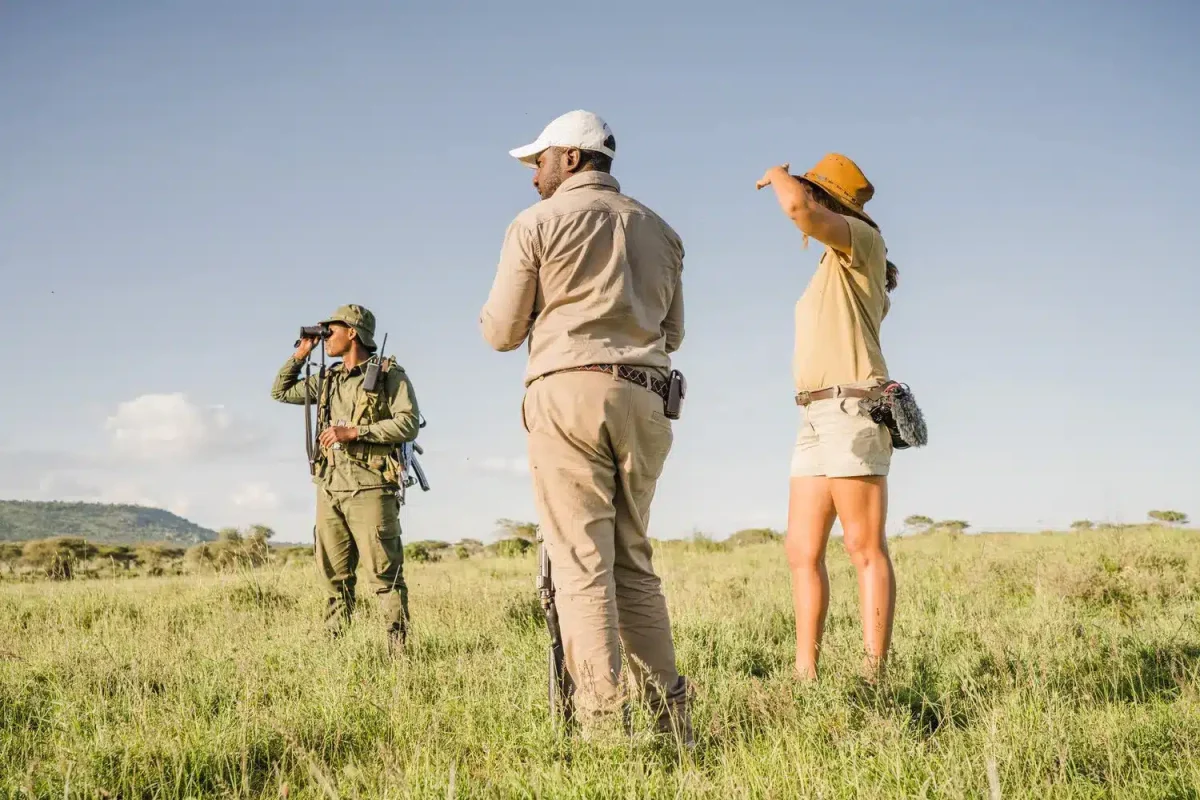
- Wear neutral colors: Khaki, light brown, green, and tan. White clothes will show up with dust and dirt. Bright-colored clothing, such as red, makes you very conspicuous to the wildlife, especially on a walking safari.
- Dress casually: Safari only requires casual clothing, light and flexible, that will make you comfortable during game drives
- Cover at night: Long sleeves and pants will help you stay warm and avoid mosquito bites, heavy socks, mavins, scarfs, and warm jackets
- Be comfortable: Clothing should consist of non-synthetic material. Cotton is ideal.
- Use the laundry service: Most camps/lodges offer laundry service, but will not launder undergarments. Choose clothing that is easily laundered.
- Dress in layers: Zip-off sleeves and lots of pockets are a plus. Bring a jacket and scarf along on game drives as temperatures drop quickly once the sun goes down in the evening.
- Check your hat: Hats must do three things well to be effective:
- Provide complete sun protection – especially for the back of your neck
- Gas permeable so the heat generated from your head can escape
- Be water-absorbent on the inside and waterproof on the outside, to absorb sweat and cover you if you get caught in the rain
- Our top picks:
- Light-neutral, unisex hat
- Dark-neutral, unisex hat
- Don’t over-pack: Choose lightweight clothing options whenever possible since packing space is at a premium.

African Safari Essential Packing List
ESSENTIAL SAFARI PACKING LIST for your safari
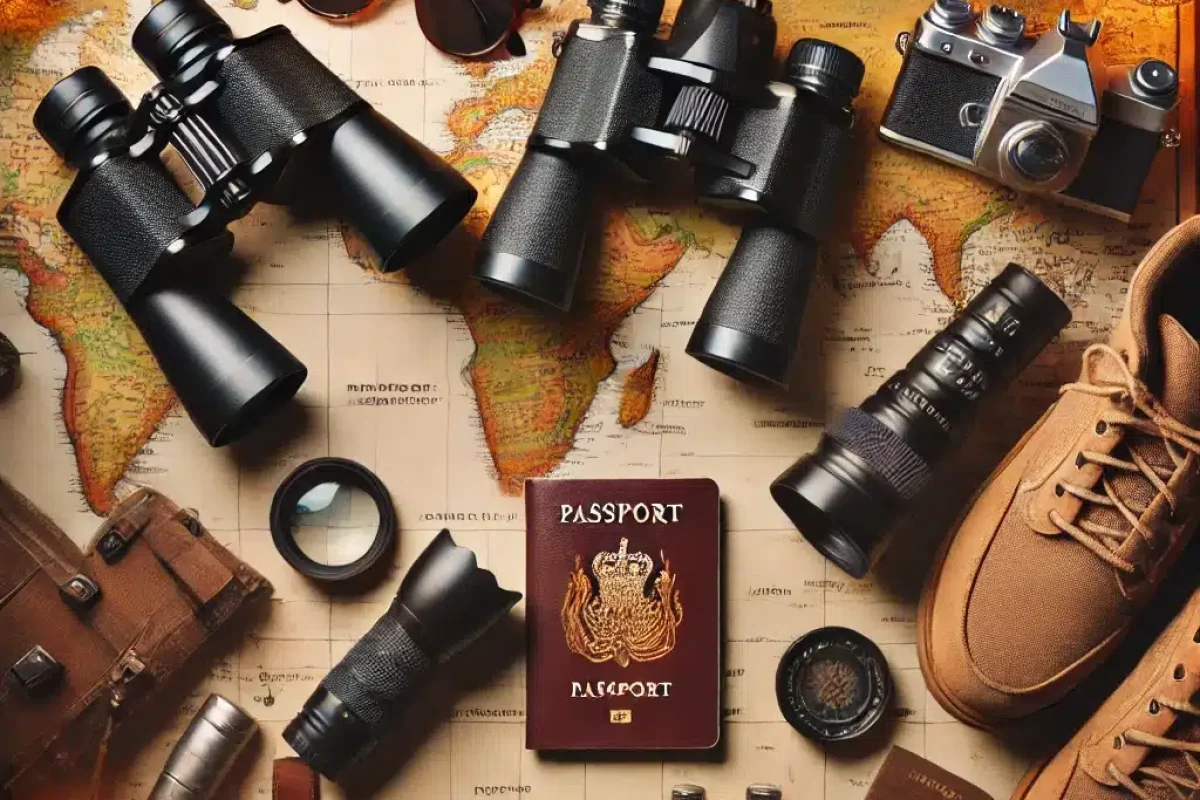
These are the most important things to take on safari with you. You do NOT want to forget to pack these items. In fact, you won’t be going anywhere without some of them.
Passport with all the required visas for every country your African safari travels to and through.
A bit of cash, bank cards, and/or travelers’ cheques. You can also use e-wallet apps these days to avoid carrying cards and cash.
Airtickets and travel vouchers for any pre-booked safari tours.
Your negative Covid-19 PCR test results as required by the countries you visit and the airlines you use. For details about the latest COVID-19 regulations relevant to your trip, contact us.
Vaccination certificates (e.g., yellow fever) were required. Some vaccinations need to be taken well in advance (see Vaccinations needed for your African Safari)
Medication: malaria prophylactics if advised (see Malaria Made Simple) and any personal medication (also take your prescription in case of an emergency – your medication gets lost, wet, eaten by a baboon, etc)
Travel insurance policy details. Your policy number and the contact details for claims and emergencies. (Comprehensive travel insurance is a must, especially in the Covid-19 pandemic era).
Cell phone. Most globetrotters travel with a smartphone to stay in touch with family and friends, connect to wifi, and for emergencies.
Copies of your important documents: as a precaution, take a copy of your air tickets, travel insurance policy, vaccinations, visas, prescriptions, and passport.
A hard copy of your most important contact numbers in case you lose your phone.
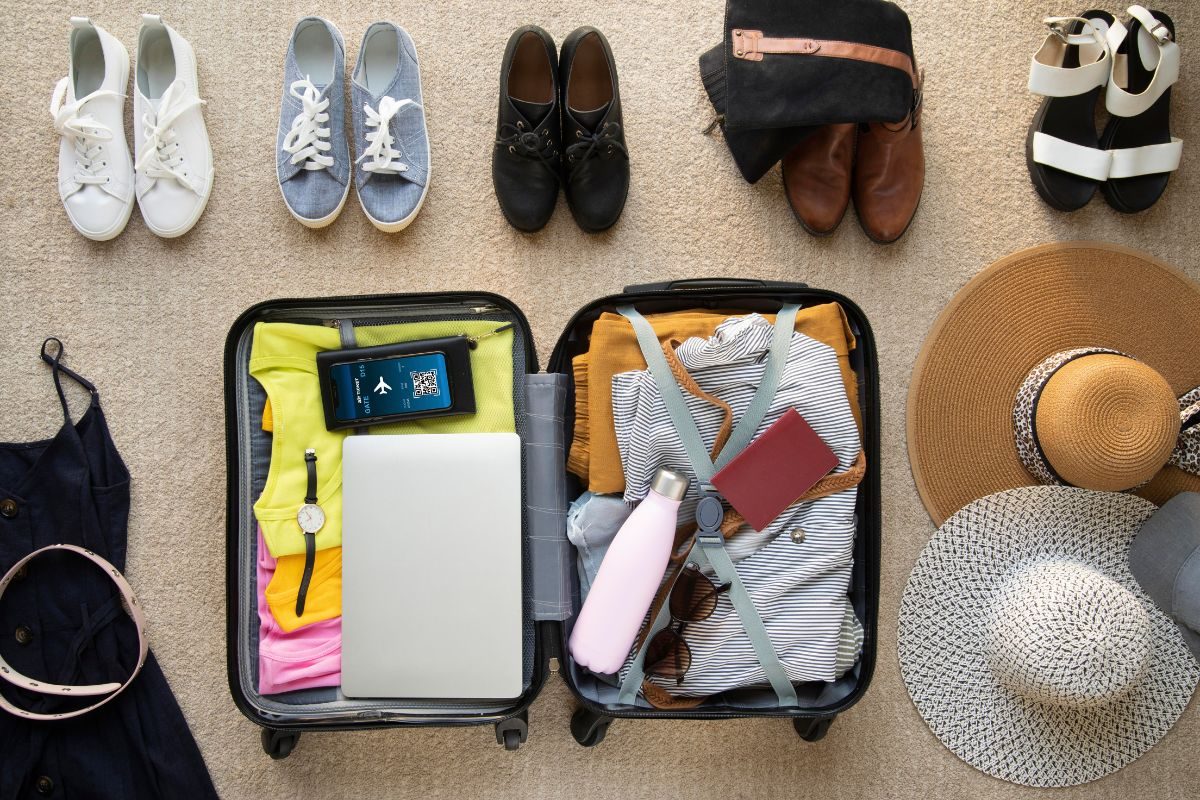
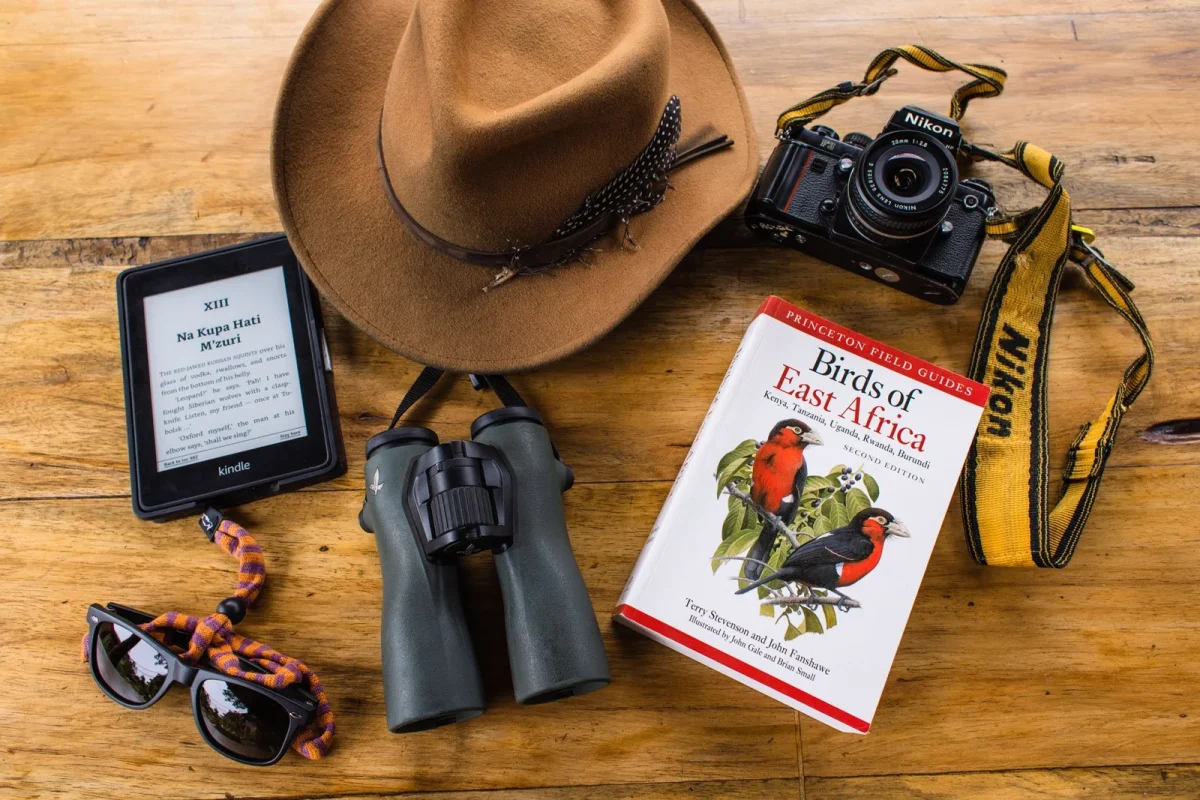
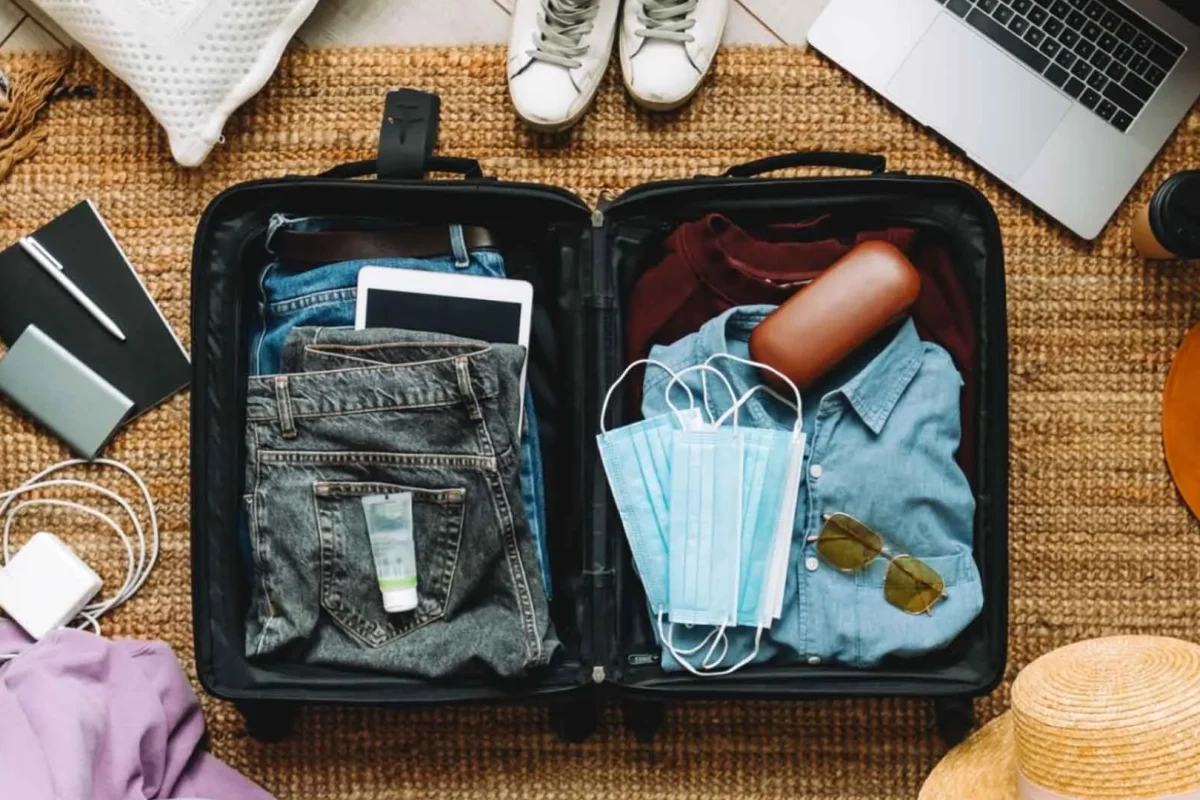
Most Important Packing List for a safari
IMPORTANT ITEMS TO PACK FOR AFRICAN SAFARIS
Take the following items from the safari packing list with you for the best African safari experience. These are the things to pack for a happy safari trip.
1. Sun Protection:
Sunblock – an eco-friendly 30 SPF (or higher) sunscreen.
A sun hat. Avoid the floppy straw hat, as experience has shown that you’ll spend more time clutching onto it than the shade is worth!
Sunglasses are excellent for keeping dust and small flying insects out of your eyes, as well as the blazing African sun.
2. Insect Repellents:
ECO-FRIENDLY insect-repelling lotion or body spray/mist and ECO-FRIENDLY insect spray or citronella products to deter the critters. Mosquito repellents are important too, especially when visiting countries prone to malaria.
3. Head Torch:
Torch or headtorch. Take a light source for around camp and for getting to/from the safari vehicle on night drives without stepping on any wild animals’ toes. It gets really dark out in the bush at night, so you need a light source to navigate your way after dark. The headtorch is best as it leaves your hands free to do stuff.
4. Day backpack:
A bag for day trips and excursions will come in very handy (a real must on the safari packing list).
You may want to take a money belt (also known as a moon bag, fanny pack, and bum bag) for travel in cities.
5. Hand sanitizer & a facemask:
Hand sanitizer (spray or gel) has become an important item to pack for safaris, as with all travel, due to COVID-19. Most places you go will have hand sanitizer, but it is best to carry your own just to be safe.
Sanitizer is great for keeping fresh and healthy on the road, especially if access to clean water is limited. Wet wipes are also handy but less eco-friendly, so use them sparingly.
In most African countries, it is mandatory to wear a facemask in public, as is the case in airports and most countries in the world at present.
6. Camera, Chargers, Tablets, Phone:
First, you need to keep in mind that your luggage is limited to 15 kg on local flight transfers.
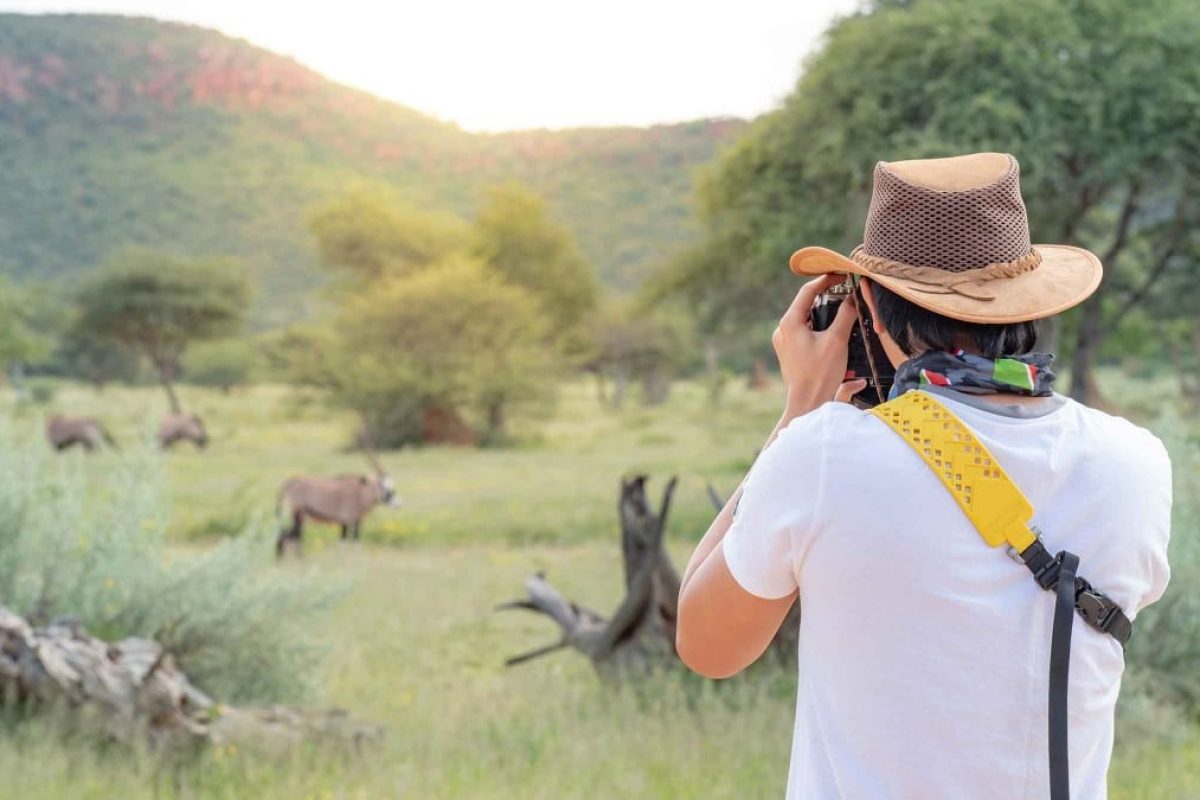
Have a good camera that’s not heavy and easy to use to document your safaris in Africa. Ensure to carry its chargers, adaptors, memory cards, lenses, and cleaners.
Your phone and tablets come in handy when you need them to document and take photos of the most memorable events during your safari.
While on safari, you should keep in mind that documenting your safari is essential, and you need backups and power. Carry a universal charging port, as different countries have different power socket formats. Don’t forget your memory cards, hard disks to store and keep your photos and videos.
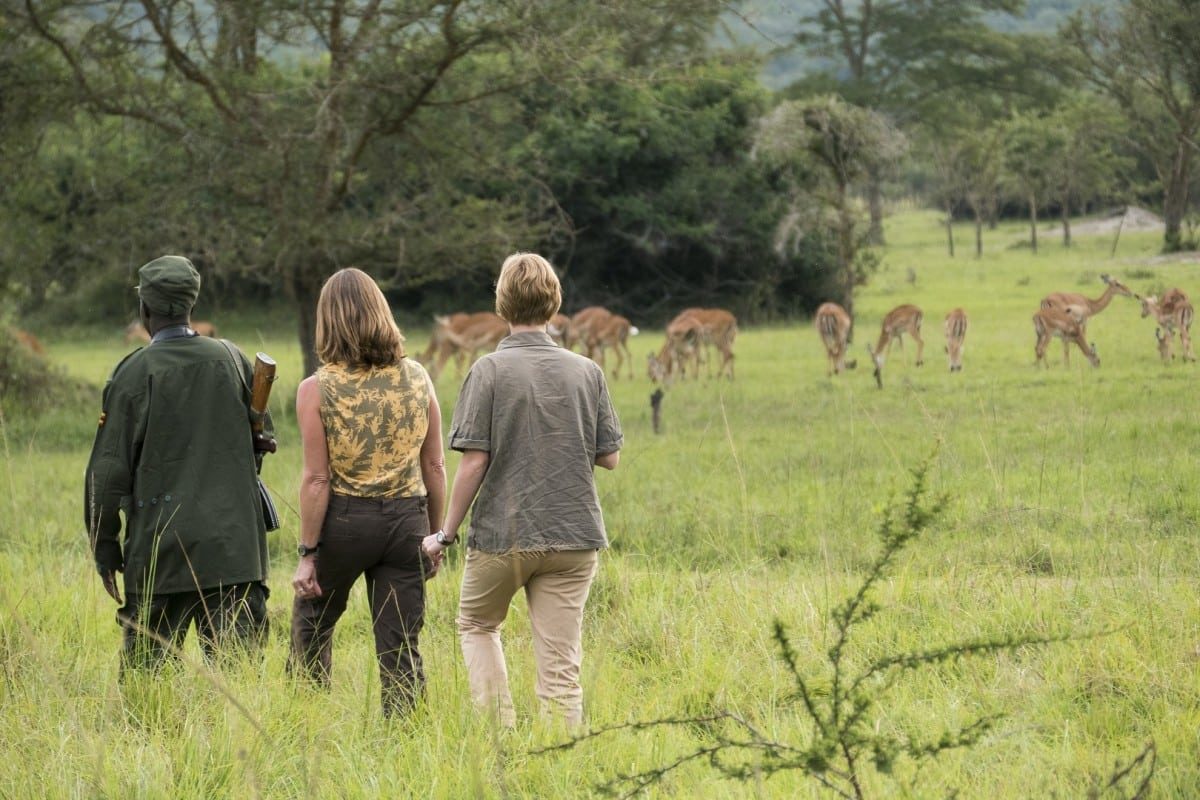
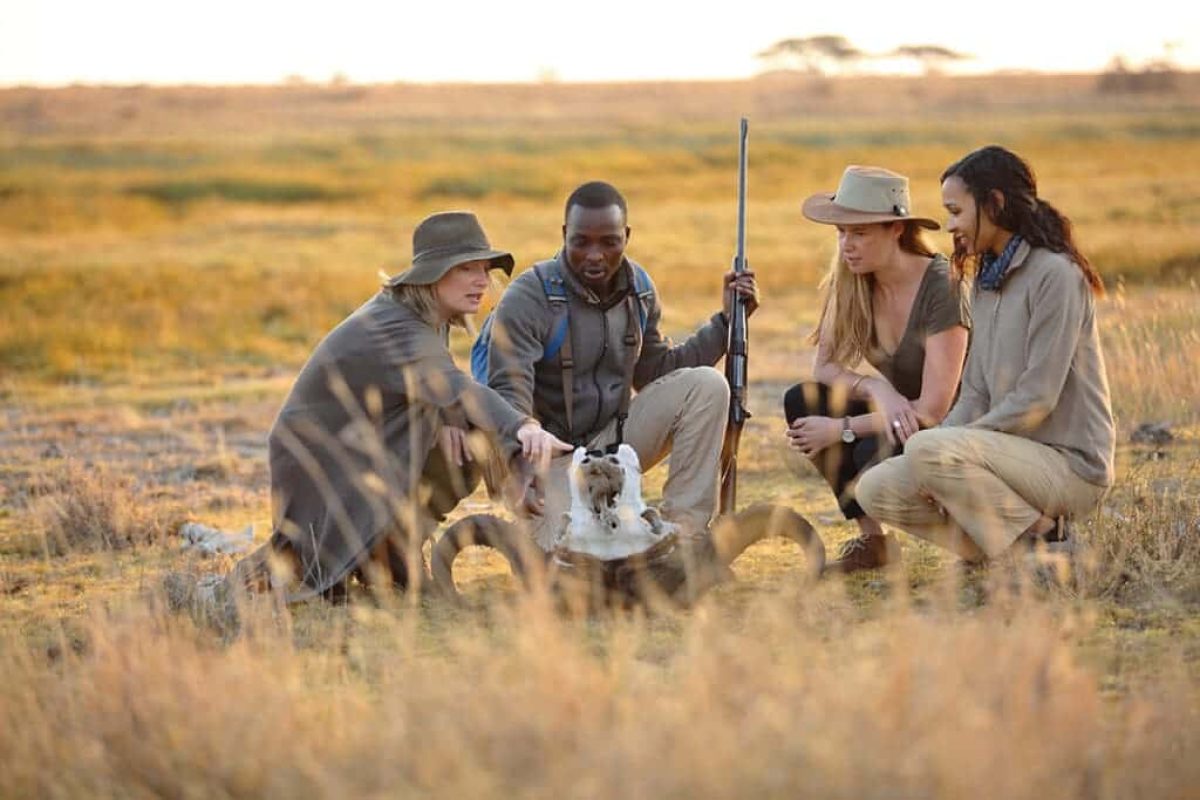
What Electronics to Pack for an African Safari
Gadgets and Electronics to Pack and Carry for your African Safari
The essential electronics necessary to take with you on an African safari adventure include a camera with high zoom, memory cards, spare batteries, and a universal travel adapter featuring Types D, G, and M connections. Other essentials include having a portable and effective power bank, headlamps/flashlights, and binoculars with at least 8×42 magnification. These should be carried with you on your flight.
Cameras & Photography
Camera Body: A DSLR or mirrorless camera is recommended. For wildlife, a telephoto zoom lens (minimum 200mm–300mm) is essential to capture distant animals.
Backups & Memory: Bring multiple high-capacity memory cards (64GB or larger) and at least two spare batteries. You will likely take hundreds of photos a day, and cold mornings can drain battery life quickly.
Action Camera: A GoPro or similar device is excellent for capturing wide-angle video or first-person perspectives during walking safaris and boat trips.
Storage: A portable SSD hard drive or a lightweight laptop is vital for backing up your daily footage and freeing up space on your cards.
Stability: A small beanbag is often more practical than a tripod for stabilizing your camera on the frame or window of a safari vehicle.
Power & Charging
Universal Travel Adapter: Essential for varying socket types (e.g., Type G in Kenya/Tanzania and Types D or M in South Africa, Namibia, and Botswana).
Power Bank: A high-capacity portable charger is a lifesaver for keeping your phone and camera charged during long, all-day game drives.
Power Strip: A travel-friendly power strip or multi-socket converter allows you to charge your laptop, camera batteries, and phone simultaneously from a single outlet in your tent or lodge.
Lighting & Essential Field Gear
Headlamp or Flashlight: Crucial for navigating camp paths or finding items in your tent at night. A model with a red-light setting is ideal for stargazing and avoiding insects.
Binoculars: Invest in a high-quality pair (standard sizes are 8×42 or 10×42) to ensure clear, bright views of birds and camouflaged predators.
Mobile Phone: Useful for quick snapshots and wildlife tracking apps; however, please keep it on silent or airplane mode during game drives to respect the wilderness and other guests.
Detailed Packing List for a Gorilla Safari
IMPORTANT ITEMS TO PACK FOR Gorilla Trekking Safaris
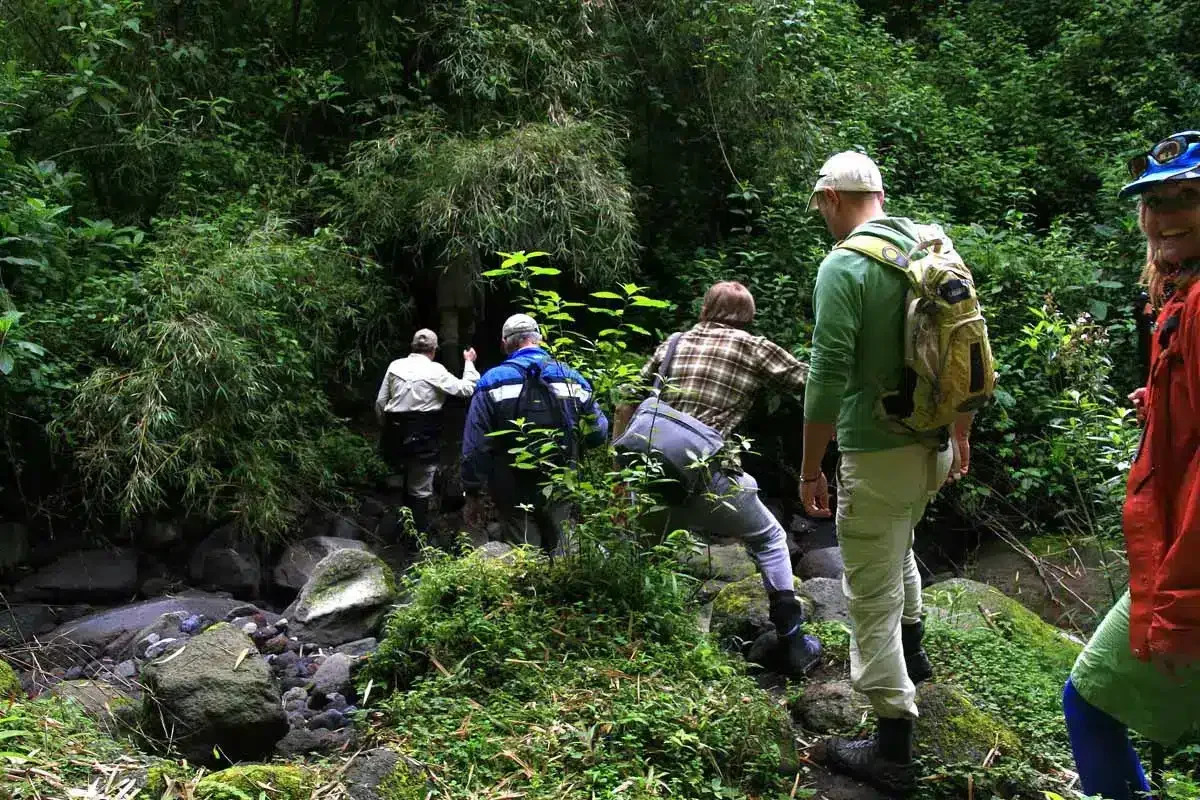
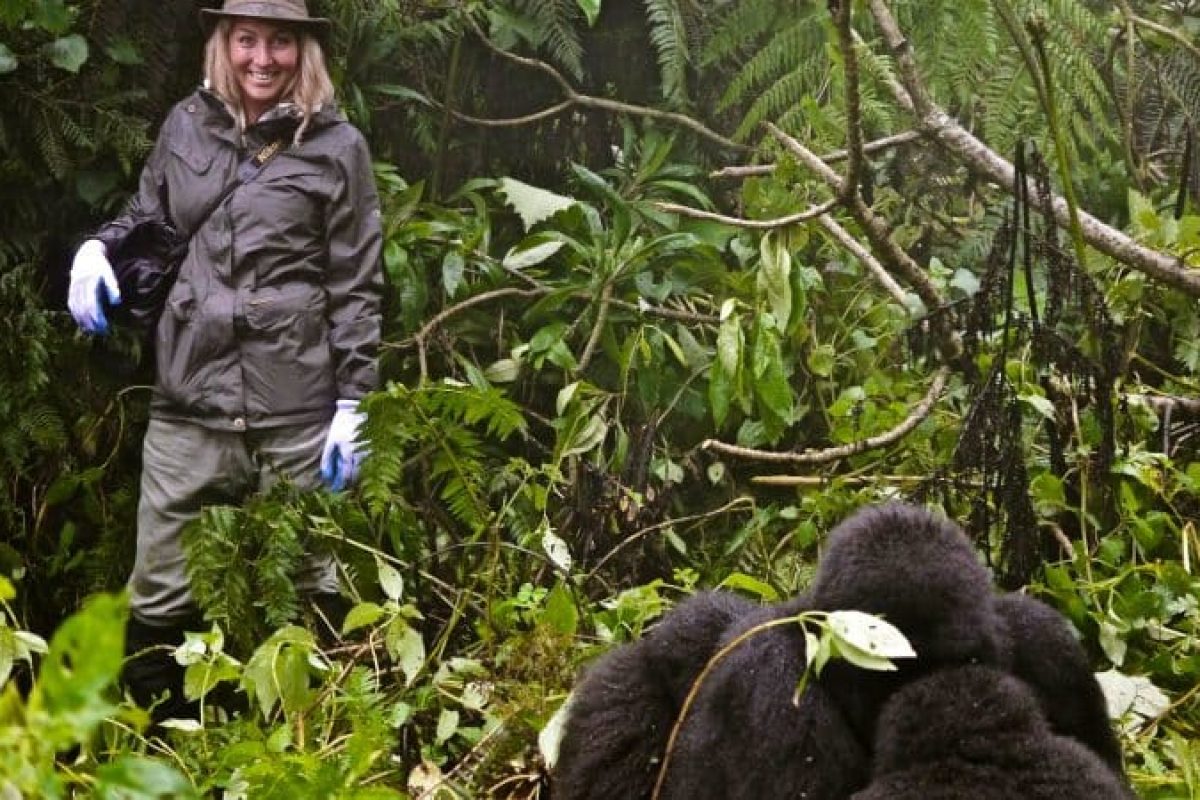
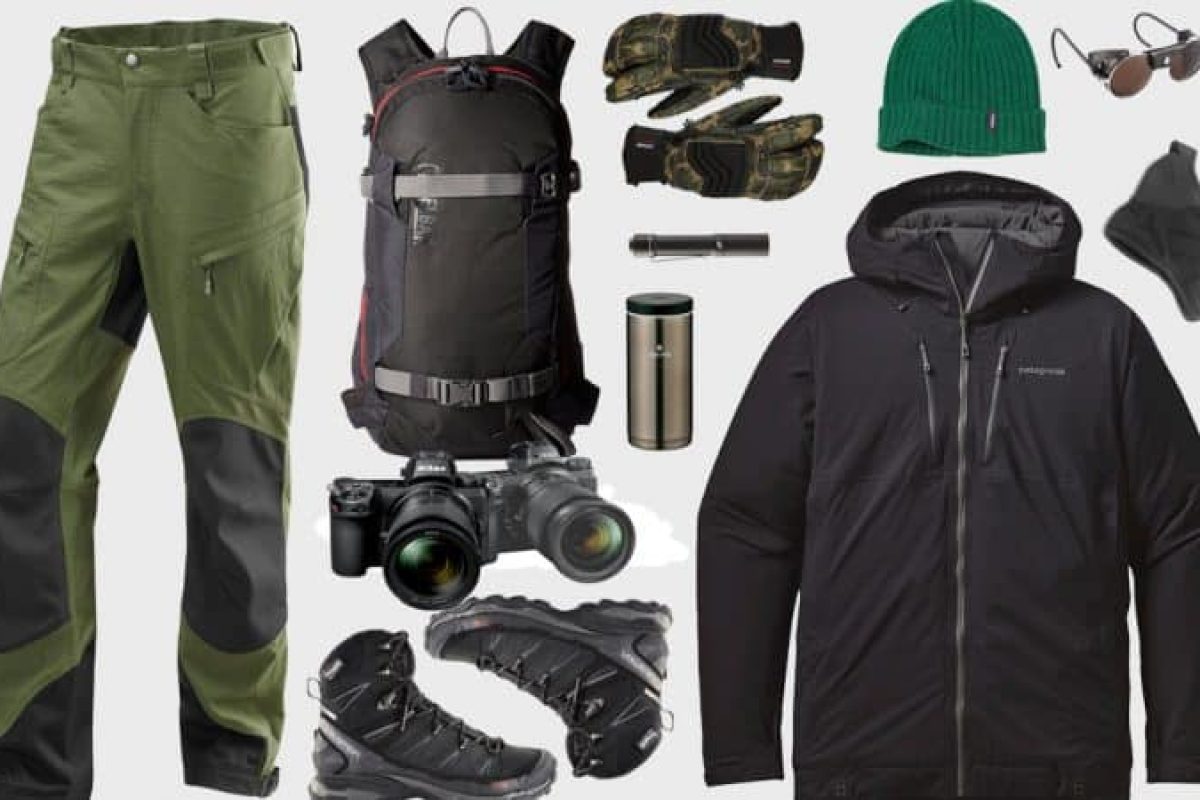
A detailed packing list is necessary during a gorilla safari. A comfort-oriented and protective packing list must be considered. The essentials of a packing list in a wet rainforest, especially one with higher altitudes, could include hiking boots, long-sleeved shirts and pants of neutral color, gardening gloves to be protected from stinging nettles, a raincoat, and a backpack.
The Foundation Packing List: Protective Clothing and Layering
On the gorilla trek itself, you should wear long-sleeved shirts and long trousers made from quick-dry, moisture-wicking material to help keep you cool and dry. This is not only for warmth but also for vital protection against biting insects, thorns, and the notorious stinging nettles of the forest. It is quite common to tuck your trousers into long socks to keep safari ants from crawling up your legs. As far as color goes, neutral tones should be worn: khaki, green, or brown. Avoid dark blue and black since such colors will attract tsetse flies, and also avoid brightly colored clothing that might distract the primates.
- Long-sleeved Shirts & Trousers: Lightweight, quick-dry, and neutral-colored.
- Waterproof Rain Jacket/Poncho: Very helpful in frequent forest showers.
- Lightweight Fleece: Keeps you warm during cool mornings and high-altitude evenings.
- Long Socks: these are worn over trousers for ant protection.
- Casual Wear: Complaining clothes to just lounge around the lodge.
Footwear and Specialized Support Gear
The most important thing in your kit is a pair of robust, waterproof hiking boots with excellent ankle support and deep tread. The gradient is generally steep, often muddy, and frequently uneven, so your boots need to be well-worn in before your arrival to avoid blistering. To supplement your footwear, combine it with gaiters to block mud and debris from reaching your boots. Perhaps unusually, one of the key pro-tips for gorilla trekking is a pair of simple gardening gloves, which enable you to hold onto branches or vines for balance without being stung by the nettles.
- Hiking Boots: Waterproof, good grip, and well broken-in.
- Gaiters: Prevent mud, water, and debris from getting into your boots.
- Gardening Gloves: protect the hands from thorns and nettles.
- Trekking Poles: Highly recommended to balance on steep slopes.
Daypack Essentials for the Trek
Throughout the trek, you will need to carry small, waterproof bags for your personal necessities. Hydration is very important when trekking to high altitudes, and you should carry a refillable container, be it a bottle or hydration pack. Due to the possibility of the trekking period lasting between two and eight hours, you should carry snacks for energy, for instance, nuts or dried fruits. In spite of the forest cover, you will need sun hats and sunscreens since there is still exposure, particularly at the higher ridges. Insect repellent of high factor and good binoculars will be advantageous, though do not forget the main focus, which is your camera equipment.
- Small Waterproof Backpack: To keep the gear dry while trekking.
- Water bottle for Hydration: Water bottle or Camelbak (at least 2 liters).
- Energy Snacks: Nuts, dried fruit, or energy bars.
- Sun Protection: Sunscreen, sun hat, and sunglasses.
- Insect Repellent: High Strength (DEET/P
- Camera Gear: Zoom Lens, Spare Batteries, and Dry Bag.
Health, Hygiene, and Essential Documentation
Given that gorillas share 98% of human DNA, they are more likely to contract human respiratory diseases. As such, a face mask is a must-have if one is to get close to the troop; frequent hand sanitizer use is advised. It is recommended that one carries his/her personal First Aid Kit containing antiseptic wipes, blister pads, and antihistamines. Due to malaria activity in the region, malaria medication is advisable. Lastly, one is advised to have his/her original passport and a gorilla tracking permit ready because they will be required during the briefing.
- Face Mask & Sanitizer: Mandatory for the safety of the gorillas.
- First Aid Kit: Band-aids, painkillers, and antiseptics
- Medications: Anti-malarial pills and personal prescriptions.
- Travel Documents: Original Gorilla Permit and Passport.
- Cash: USD or local currency, for tipping porters and rangers.
What to pack for an African Beach Holiday Safari
The Beach is Calling, Heres what you need to pack for a beach holiday in Africa
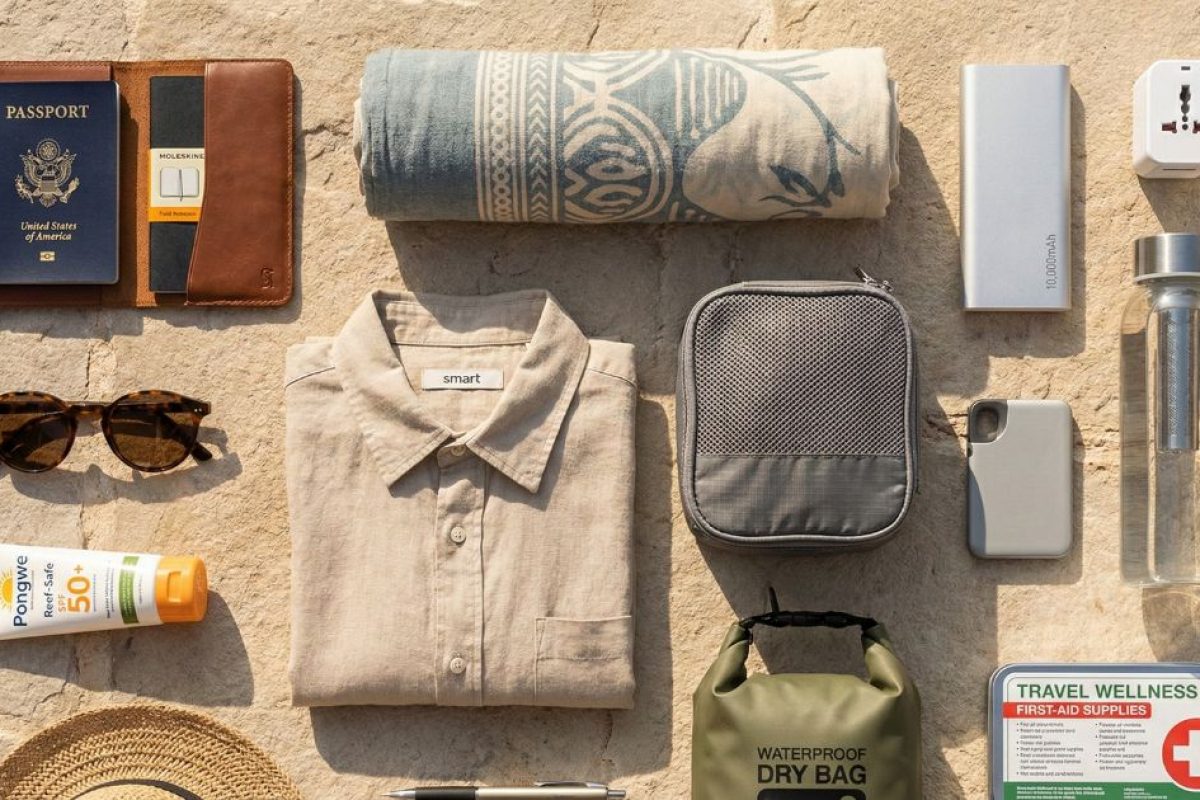
Packing for an African beach holiday, especially to areas like Zanzibar, Lamu, or the Swahili Coast, requires focus on light, breathable fabrics such as cotton and linen. While resort life is casual, packing modest clothes for forays into local towns and villages to respect regional customs is important.
African Beach Holiday Packing List
Beachwear & Water Activities
Swimsuits: 2–3 sets to allow for drying time.
Sarongs & Cover-ups: Versatile pieces for transitioning from the beach to the hotel.
Rash Guard: Provides essential UV protection during long snorkeling sessions.
Reef-Safe Sunscreen: Crucial for protecting your skin while preserving delicate marine ecosystems.
Daywear & Cultural Respect
Village/Town Attire: In many coastal communities (such as Stone Town), modesty is key. Ensure you have loose clothing that covers both shoulders and knees.
Modesty Essentials: Maxi dresses, long skirts, or linen trousers are ideal. A lightweight pashmina or scarf is perfect for a quick cover-up.
Resort Wear: Breathable cotton shorts, T-shirts, and breezy sundresses.
Footwear
Sandals & Flip-flops: For beach and poolside relaxation.
Walking Shoes: Comfortable, closed-toe shoes for historical tours or spice farm excursions.
Water/Reef Shoes: Essential for protecting your feet from sharp coral, stonefish, and sea urchins during low-tide explorations.
Evening Wear & Protection
Dinner Attire: Smart-casual options like light trousers, long skirts, or summer dresses.
Light Layers: A cardigan, pashmina, or light jacket for breezy evenings or air-conditioned rooms.
Sun & Bug Protection: A wide-brimmed hat, polarized sunglasses, and high-strength insect repellent (essential for the “mosquito hour” at sunset).


What not to pack for an African Safari
Below are items you can leave behind when packing for your African Safari
Avoid bright, dark blue, or black, as those colors attract tsetse flies and disturb wildlife, and do not pack camouflage gear, which is illegal in many countries. Don’t bother with heavy trunks, high-voltage hair dryers, potent perfumes, or formal wear. Pack neutral-colored, breathable layers, as most lodges have speedy laundry services.
Clothing to Avoid
- Bright Clothes: Bright colors are to be avoided, such as red or neon colors, which draw the eye and show dust quickly, along with pure white.
- Dark Blue/Black: These colors, especially dark blue, are those bugs-tsetse flies-attract like magnets because a tsetse fly does not give a painless bite.
- Camouflage Patterns: Most of the African countries have laws that restrict camouflage prints to members of the military.
- Impractical Clothing: Avoid tight jeans or skirts that can restrict movement. Comfortable, lightweight cotton or linen loose-fitting clothes are the best wear.
Gear and Toiletries to Leave Home
- Drones: Illegal or strictly restricted in many parks.
- High-Voltage Hairdryers/Straighteners: These can overload the solar power systems in many bush camps, mostly provided in camps.
- Strong Perfumes/Scents: These disturb other guests and attract bugs/wildlife when on walking safaris.
- Plastic Bags: All throwaway plastic bags are banned in Kenya.
- Too Much Clothing: Most lodges offer laundry services. Lightweight packing will save you overweight bag fees on small bush planes.
Shoes and Accessories to Avoid
- Heavy Hiking Boots: These are never needed unless one has specifically planned some really serious, multi-day walking. They are very bulky to pack.
- Costly Jewellery/Ornamentals: Keep it simple and safe.
- Floppy Hats: These are impossible to wear in an open-sided vehicle when the wind picks up.
All FAQs About What to pack for African Safaris
FAQS and Questions and Answers about Safari Packing Lists in Africa
We have answered some of the most frequently asked questions about what to pack for a safari in Africa. For more help, don’t hesitate to get in touch with us.
What should I pack for a safari in Africa?
Pack neutral-colored, breathable clothing to acclimatize to temperature extremes. Key baggage will comprise a jacket, shoes, sunglasses, and insect repellents. Soft luggage should be taken, together with binoculars, as well as several memory cards and a camera to record your safari experience.
Can I wear bright colors on safari?
Avoid bright colors, which startle animals and attract bugs. Instead, wear earthy tones like khaki and olive to blend into the landscape, ensuring a more discreet and natural wildlife experience.
How much luggage can I bring?
Economy class passengers may receive up to 23kg checked luggage allowance, compared to Heavy and Business Class passengers, who may carry two pieces of luggage, each weighing up to 32kg. Checked luggage dimensions should not exceed 158cm in total. Carry-on luggage weighs between 7kg and 10kg and should not be larger than 55 x 35 x 25cm in size. One additional small item is included in most checked luggage fees for 2026. “Basic” fare tickets may deny checked luggage.
What clothes are best for safari temperatures?
The best clothes for safari temperatures are breathable, neutral-toned layers that will protect against sun, insects, and dramatic chilly-to-hot temperature shifts. Opt for protective long sleeved shirts, long pants, and a warm fleece or jacket for cold early morning and evening game drives.
Is sunscreen and mosquito repellent necessary?
Yes, sunscreen and mosquito repellent are necessary requirements on a safari in Africa. They are both vital requirements to ensure health and comfort levels, as one will be exposed to the harsh equatorial sun during a safari activity in an open vehicle and to mosquito areas.
Pack For a Purpose
Cheetah Safaris is a serious advocate of sustainable safari practices in Africa. As part of our efforts and initiative, we engage and support schools and children who need knowledge to better their lives. The best gift a child can be given is education, skills, and creativity.
In this case, we request our guests booking with us, to bring an extra back of supplies. This can be in terms of books, sports materials, and any other items that would change the lives of these kids.
- Education
- Sustainable Travel
- Wildlife Conservation
Let us help you customize your trip
Like all of our holidays on this site, this is just an idea. All of our trips are tailor-made, so we’ll always adapt them to suit you.
Talk to an Expert
Browse our Cheetah Safaris Website. We’ll match you with a Specialist in our team who is best suited to help you plan your next safari adventure. To start, submit your Safari Inquiries.
Prepare for your trip
Our Safari experts will be of help in planning your safari from start to end. They will advise you on all that you need to pack and travel documents, too. They will be ready to answer any queries you have.
When you return
We would love to hear from you about your trip with us. Your feedback will help us always work better and try to be the best. You can leave your review on our Reviews Page or TripAdvisor Page.
Partners / Memberships
People who always support and endorse our good work