Discover Lamu Island
Lamu is an island town located on the northern coast of Kenya and forms part of the Lamu Archipelago. It is renowned for its well preserved Swahili architecture, narrow winding streets, and rich cultural heritage, which reflects centuries of trade and interaction between Arab, Persian, and African communities. Lamu Town is a UNESCO World Heritage Site, and the area’s unique blend of history and coastal scenery makes it a significant cultural and tourism destination.
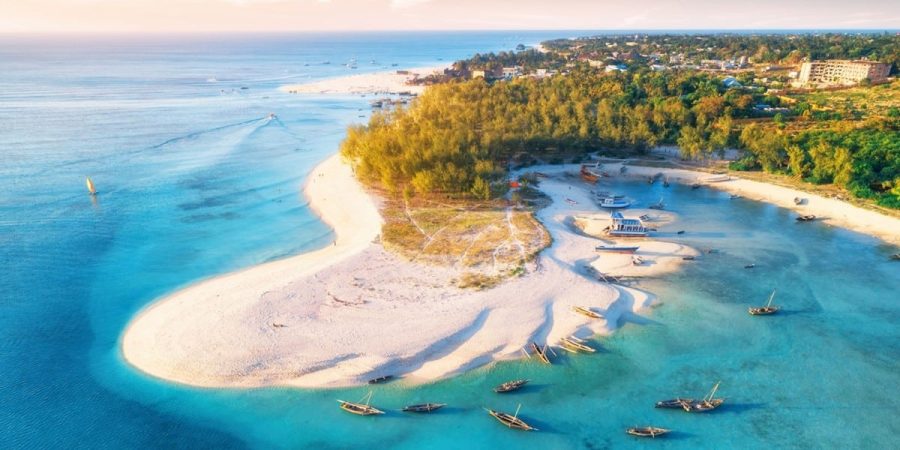
The climate in Lamu is tropical, with warm temperatures year round and two main rainy seasons. The dry periods are considered the best times for visiting, as they offer calmer seas, lower humidity, and easier access to both cultural sites and surrounding islands. The island’s beaches, such as Shela and Manda, feature white sands and clear waters, making them ideal for swimming, sunbathing, and water sports. Traditional dhow sailing trips are a common activity, providing both transport and leisure along the coastline.
Beyond its beaches, Lamu is known for its historical and cultural attractions. Visitors can explore ancient mosques, local markets, and museums that showcase the Swahili way of life. The town has limited vehicle access, with donkeys and walking being the primary means of transport, which preserves its traditional charm. Lamu is accessible by air via Lamu Airport or by boat and ferry from the mainland, and it offers a range of accommodation from guesthouses and boutique hotels to luxury lodges.
How to get to Lamu Island
Lamu is accessible by both air and sea. By air, visitors can fly into Lamu Airport from Nairobi or Mombasa, with flight times averaging one hour. By sea, ferries and boats connect the mainland at Lamu Port or Mokowe Jetty to the island. Travel by road is limited to the mainland; once on Lamu, donkeys and walking are the primary means of transport, as motor vehicles are minimal to preserve the town’s heritage.
Best Time to Visit Lamu Island
Lamu can be visited year round, but weather patterns influence the quality of the experience, especially for outdoor and marine activities. The island experiences two rainy seasons, the long rains from March to May and the short rains in November, and two dry periods. These seasons define low, high, and peak travel periods, each affecting visitor numbers, accommodation availability, and activity conditions.
March to May and November
During the rainy periods, the island experiences higher humidity and intermittent heavy rainfall. Some roads may be less accessible, and marine conditions can be rougher, limiting activities such as dhow sailing or snorkeling. Visitor numbers are lower, and accommodation rates tend to be cheaper. This period is suitable for travelers seeking quiet surroundings and lower costs but is less ideal for beach and water based activities.
June to October and January, February
The high season occurs during the dry months, offering stable weather and calmer sea conditions. This is the most favorable time for beach activities, sailing, diving, and island tours. Wildlife and birdwatching excursions in nearby areas are also more productive. Accommodation occupancy increases, and advance booking is recommended, though the crowds are generally moderate compared to peak season.
July, August and December
Peak season coincides with international holidays and local festive periods. These months experience the highest visitor numbers, and accommodation prices are at their maximum. Early booking for lodges, hotels, and guided tours is essential. Weather is dry, sunny, and suitable for all outdoor and marine activities, making it the most popular time to visit.
Activities to Do in Lamu Island
Lamu offers a slower, soulful kind of adventure. Wandering through Lamu Old Town is the main event, narrow alleyways, carved wooden doors, centuries of Swahili history humming in the walls. Life moves on foot or by donkey, and that quiet rhythm is part of the magic. You can visit museums, mosques, and local markets while soaking in the island’s deep cultural roots.
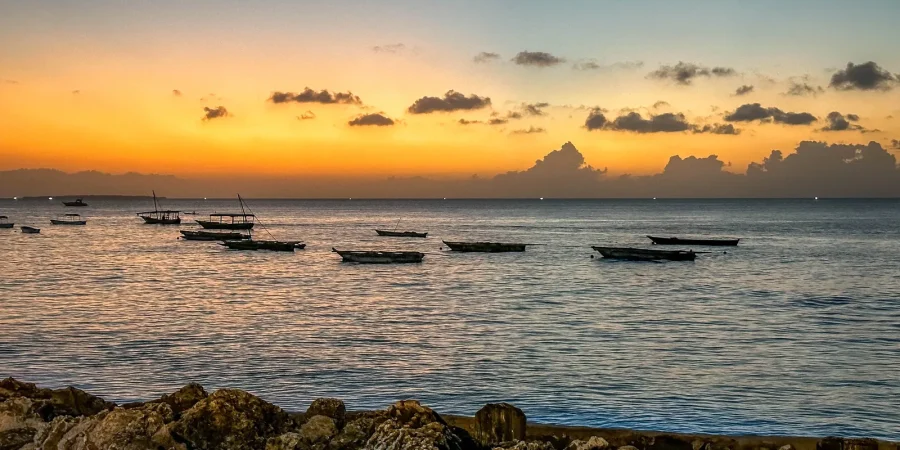
On the water, traditional dhow sailing is a must. Sunset cruises glide you across calm channels, all wind and poetry, while boat trips take you to nearby islands and sandbanks for swimming and picnics. Snorkeling and fishing are also popular, especially around the quieter parts of the archipelago.
For downtime, Shela Beach delivers long, uncrowded stretches of sand perfect for walks, sunbathing, or just doing nothing at all. Yoga retreats, beachfront dining, and peaceful evenings under the stars make Lamu ideal for travelers chasing calm, culture, and a reset for the soul.
Best Places to Stay in Lamu Island
Discover places to stay when visiting this destination for easy accommodation planning. Enjoy hand-picked accommodations across all our African destinations. We work closely with these safari and beach properties in Africa to ensure our guests get the perfect service and experiences.
Other African Destinations to Explore
Explore other safari and beach destinations in Africa. Below, our safari experts have shared some of the most similar destinations that you can add or opt to visit as a single place on your next adventure.
Recommended African Safaris
Are you looking for the perfect African Safari? Don’t look further, we have the best customised, curated, and tailored safari itineraries related to this safari activity for you to book. If you would like to custom-make it further, our experts are available to help you make your dream African safari come to pass in a perfect way.