

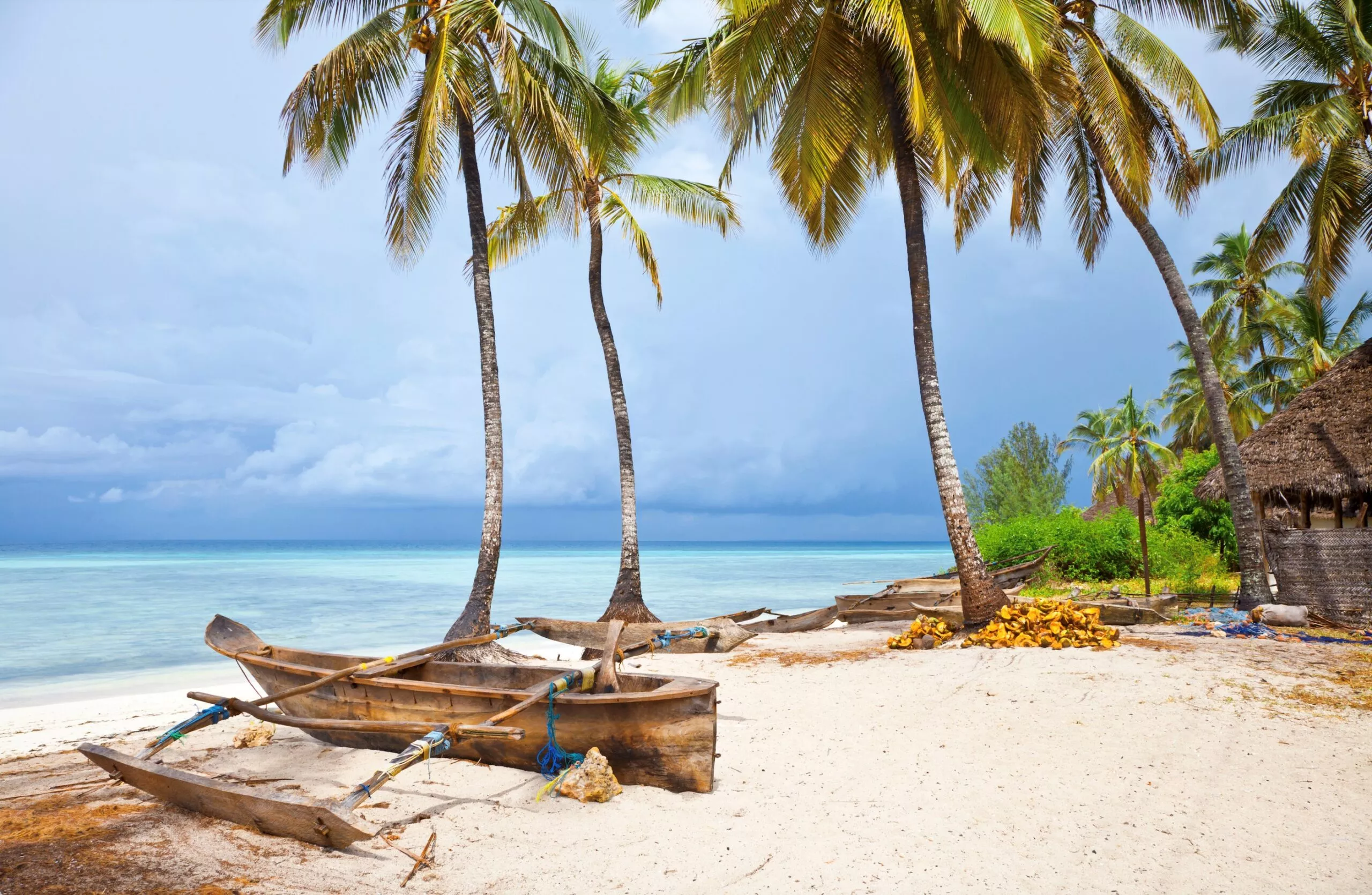
A safari and beach holiday brings together two very different sides of Africa in one trip. You spend part of your time on game drives, watching wildlife move across open plains, and the rest of it on the coast with nothing louder than the waves. The reason this works so well is geography. Many of Africa’s finest reserves sit within a short flight of the Indian Ocean, so you can track lions at sunrise and sink your feet into warm sand a day later without a long or awkward journey in between.
More travellers are choosing this style of trip because it delivers both adventure and rest without the effort of planning two separate holidays. It also tends to offer better value, since combining a safari and a beach stay in one route saves on flights and shared logistics. Below is a clear, practical guide to putting the trip together, from where to go to how much it costs.
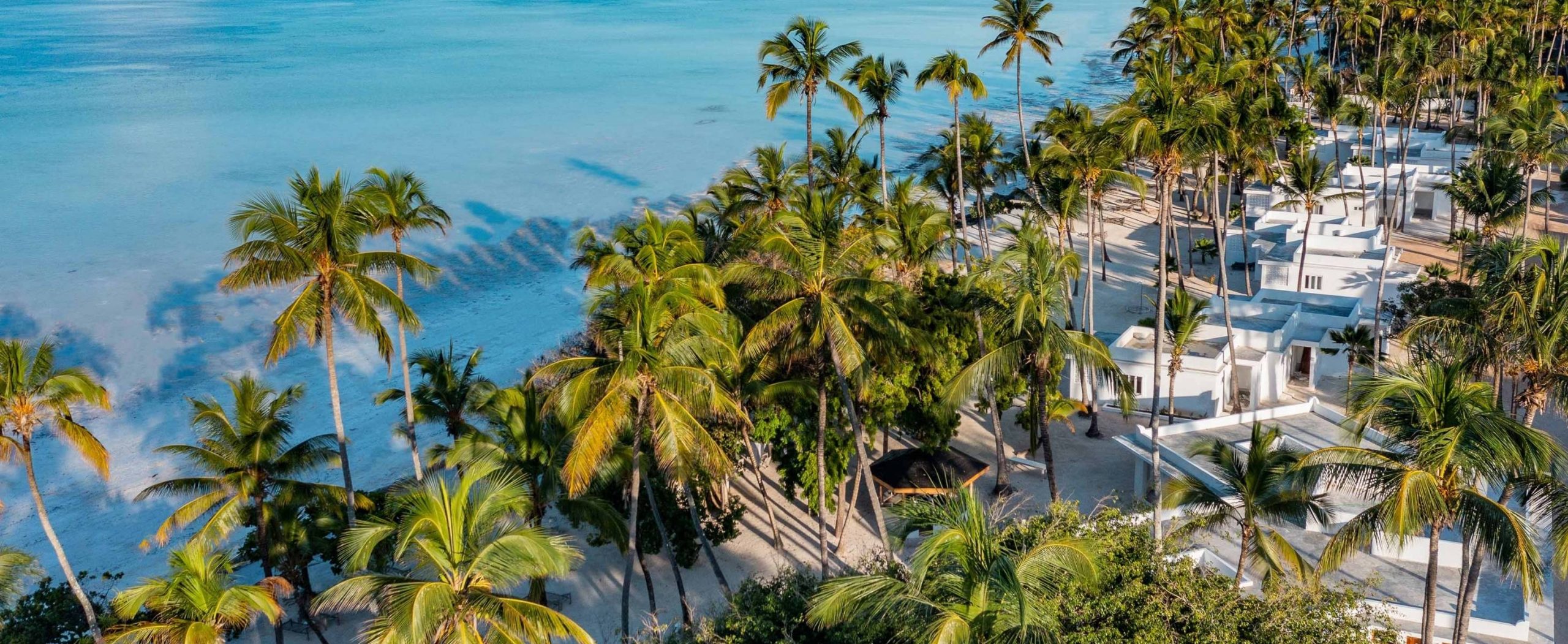
Why combine a safari with a beach stay
A safari is exhilarating, but it is also an early start most mornings, plenty of time in a vehicle, and a fair amount of dust. A few days of that is exactly what most people want. What comes next matters just as much. Rolling straight into a relaxed beach stay lets you process everything you have seen, rest properly, and fly home feeling restored rather than worn out.
There is a practical case too. Booking a safari and a beach break as one connected trip usually costs less than arranging each on its own, because your operator can line up internal flights, transfers and lodges as a single package. You also cover far more ground in one holiday, which is ideal if you are travelling a long way to reach Africa and want the trip to count.
The best safari and beach combinations
The strongest combinations keep the distance between wildlife and water short. The table below sums up the routes worth building your trip around, with a fuller description of each underneath.
| Region | Safari | Beach or island | Transfer | Best for |
|---|---|---|---|---|
| Kenya | Masai Mara | Diani Beach | Short flight, Mara to Ukunda | First timers and the classic combo |
| Kenya | Amboseli | Watamu and Malindi | Flight via Nairobi | Elephants and quieter beaches |
| Tanzania | Serengeti and Ngorongoro | Zanzibar | Direct flight to Zanzibar | Migration paired with island culture |
| Southern Africa | Kruger or a private reserve | Mozambique, Mauritius, Seychelles | Flight via Johannesburg | Families wanting options free of malaria |
Kenya: Masai Mara and Diani Beach. This is the classic Kenyan pairing. You spend your safari days in the Masai Mara, home to the Big Five and the annual wildebeest migration, then take a short flight from the Mara airstrips to Ukunda, which serves Diani on the south coast. The whole shift from bush to beach happens in a single travel day. Diani is known for soft white sand, calm swimming and coral reefs a short boat ride offshore.
Kenya: Amboseli, Watamu and the wider coast. Amboseli, with its elephant herds framed by Mount Kilimanjaro, pairs neatly with the northern coast around Watamu and Malindi. Watamu is quieter than Diani and sits beside a marine national park, which makes it a lovely choice for snorkelling and slower days by the water.
Tanzania: Serengeti and Zanzibar. For many travellers, this is the ultimate version of the trip. Game drives in the Serengeti and the Ngorongoro Crater give way to a direct flight to Zanzibar, where you can wander the old lanes of Stone Town before settling on the island’s north or east coast. Zanzibar suits beach time almost year-round, which gives you flexibility on timing.
Southern Africa: Kruger and the Indian Ocean islands. In the south, a Kruger or private reserve safari combines well with the beaches of Mozambique, Mauritius or the Seychelles. Several South African reserves are free of malaria, which makes this region a strong pick for families with young children who then want a calm island to finish on.
Across all of these, the principle is the same. Keep transfers short, let the wildlife come first, and save the coast for the end.
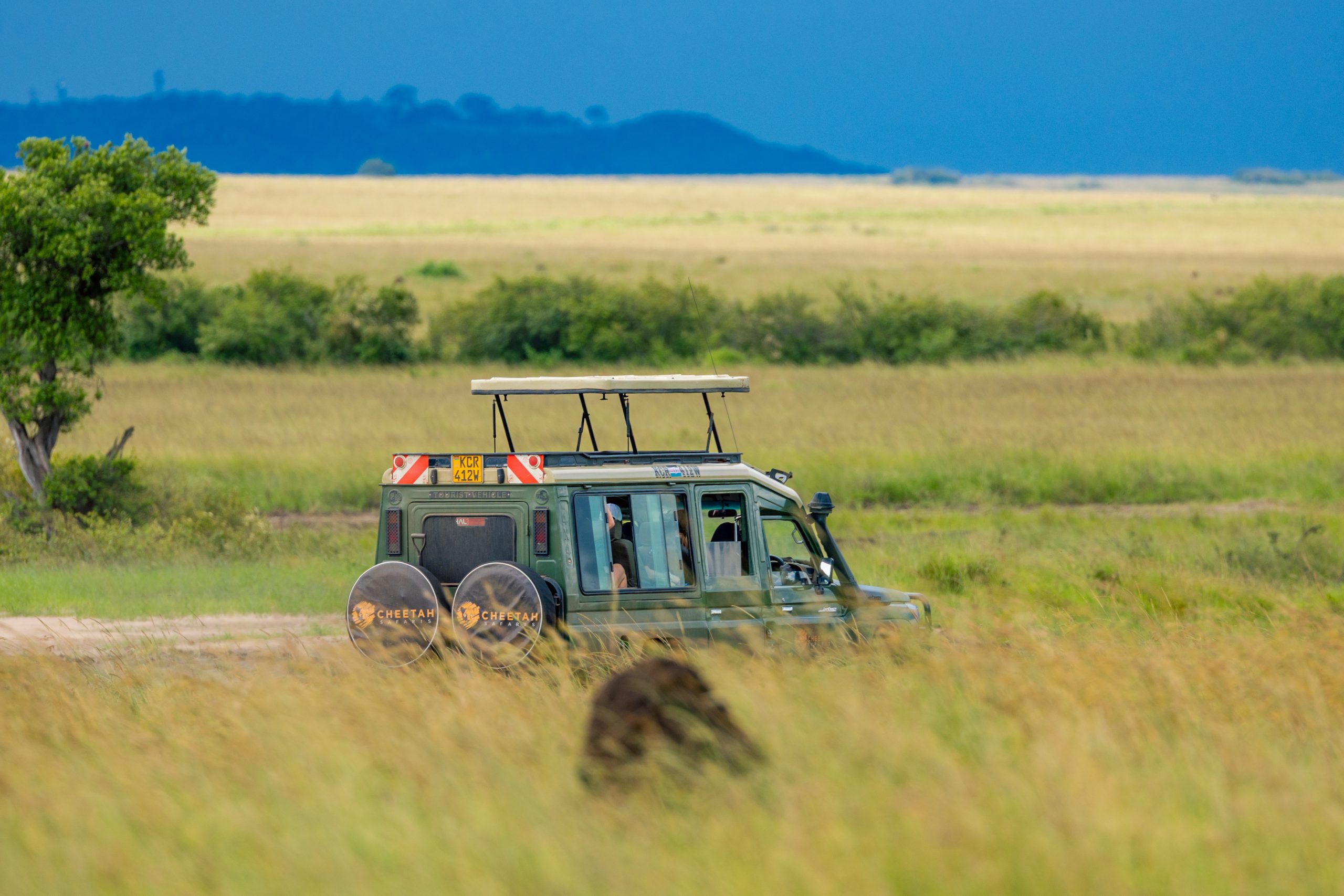
How many days do you need for a Safari and Beach?
A safari and beach holiday works best over seven to ten days. Any shorter and you spend too much of it in transit; much longer and it becomes a bigger expedition. A comfortable split is three to four nights on safari and three to four nights on the beach.
Three or four nights in a single reserve is enough to enjoy proper game viewing without feeling rushed, and it gives you a good chance at the animals you most want to see. Three to four nights on the coast is enough to unwind, take a boat trip or two, and still feel like you have had a real rest. If you have more time, you can add a second reserve or a few extra beach days rather than stretching either side thin.
Here is the plan at a glance:
| Element | Recommendation |
|---|---|
| Ideal length | Seven to ten days |
| Day split | Three to four nights safari, three to four nights beach |
| Best months | June to October, and January to March |
| Season to avoid on the coast | The long rains, April into May |
| Starting cost | A few thousand dollars per person in East Africa |
When to travel
Timing is where a little planning pays off, because the safari and the beach each have their own rhythm, and knowing the best time to visit for both makes your trip magical.
For wildlife, the dry season from June to October is the most reliable across East Africa. Animals gather around water, the vegetation is thinner, and sightings come more easily. In Kenya and Tanzania, July to October is also the window for the wildebeest migration river crossings. A second good stretch runs from January to March, with green landscapes, newborn animals and often lower rates.
The coast is more forgiving. Diani, Watamu and Zanzibar are warm and welcoming for most of the year, with the main thing to plan around being the longer rains, which usually fall from April into May. Matching a dry season safari with settled beach weather is straightforward, and a good operator will steer you around the wettest weeks.
Where to stay
Your choice of lodging shapes the trip as much as the destinations do. On safari, staying inside or right beside the reserve means less driving and more time with the wildlife, especially in the golden hours around dawn and dusk. Tented camps and lodges range from comfortable to genuinely luxurious, and most include game drives and meals in the nightly rate.
On the coast, look for somewhere with easy access to the beach, good food and the kind of pace you are after, whether that is a lively resort with plenty of activities or a quiet boutique hotel where the day revolves around the tide. Families often do well with resorts that have pools, children’s clubs and safe swimming, while couples tend to prefer smaller, more private retreats.
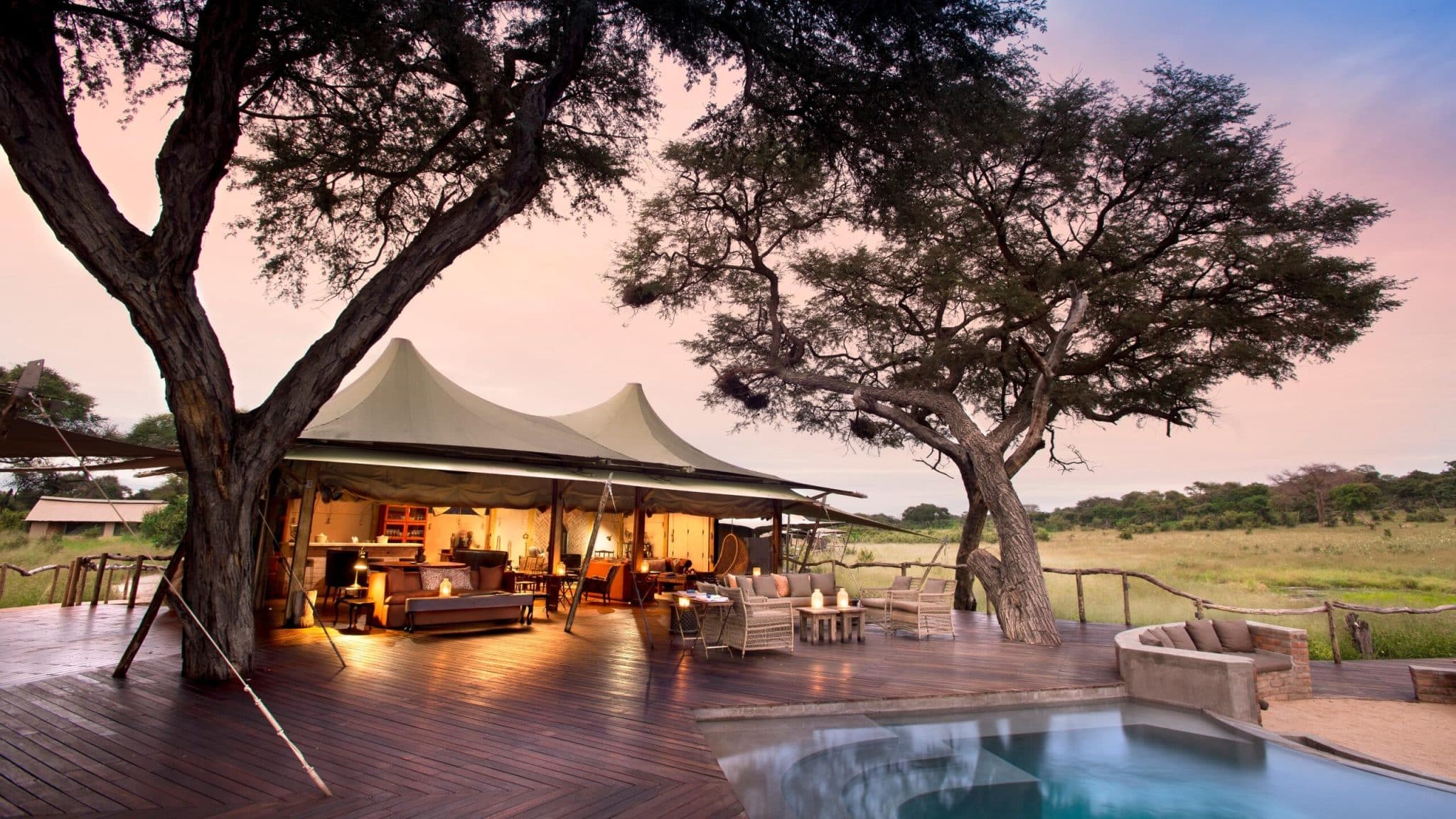
What you can do on each side
The two halves of the trip offer very different days, which is exactly the point.
On safari:
- Morning and afternoon game drives, ideally two a day
- A hot air balloon flight over the plains at first light
- A guided bush walk with an armed ranger
- A visit to a Maasai community
On the coast:
- Snorkelling and diving over coral reefs
- Dolphin trips and sunset dhow cruises
- Island excursions such as Wasini and the Kisite Mpunguti marine park
- Slow mornings by the pool or the tide, with nothing on the schedule
Booking the standout activities in advance is worth doing, since the best ones fill up quickly in high season.
What it costs
Price depends on where you go, the standard of your lodges and the season. As a rough guide, a well put together safari and beach holiday in East Africa tends to start in the region of a few thousand dollars per person and rises from there with more luxurious camps and longer stays. Southern Africa and the Indian Ocean islands can run higher, particularly at premium lodges and resorts.
A few choices stretch your budget further:
- Travel in the shoulder or green season for lower lodge rates and thinner crowds
- Share a vehicle as a small group to spread the cost
- Compare what is actually included, since most safari packages fold flights, park fees, meals and transfers into one price rather than the headline figure alone
Packing for both
You are effectively packing for two holidays, so keep it light and practical.
- For the safari: neutral, comfortable clothing, a warm layer for chilly early mornings, closed shoes, a hat and good sunscreen.
- For the coast: swimwear, light clothes and something for the water.
- For both: a small kit of basic medicines, your travel documents and a decent camera. Many fly-in safaris have modest luggage limits, so a soft bag is easier than a hard case.
Planning your trip with Cheetah Safaris
The part that trips people up is not choosing the destinations. It is joining them smoothly, getting the internal flights and transfers to line up, and matching the season on both sides. This is where working with a specialist saves time and prevents mistakes.
At Cheetah Safaris, we plan the whole route as one journey, from the reserve to the coast, so the handovers are seamless and the pace suits you. As a locally owned operator based in Nairobi, we build safari and beach holidays across East and Southern Africa, tailored to your dates, budget and the kind of trip you have in mind. Reach out with your ideas, and we will shape an itinerary around them.