
If you are planning a safari in Tanzania, you probably wonder, “How much is this going to cost me?” That’s a fair question. A safari in Tanzania is not a small expense. For many travelers, it’s a once in a lifetime experience. Understanding the real costs helps you plan better and avoid unexpected expenses.
At Cheetah Safaris, we believe in being clear about costs. Instead of vague answers, here’s a realistic breakdown of what you can expect to spend on a safari in Tanzania and what factors influence the final price.
What Is the Average Cost of a Tanzania Safari?
In 2026, a well-planned Tanzania safari typically costs:
- USD 400–700 per person per day (mid-range comfort)
- USD 700–1,200 per person per day (4-star luxury)
- USD 1,200–2,500+ per person per day (5-star ultra-luxury)
These prices generally include:
- Accommodation
- All meals
- Park entry fees
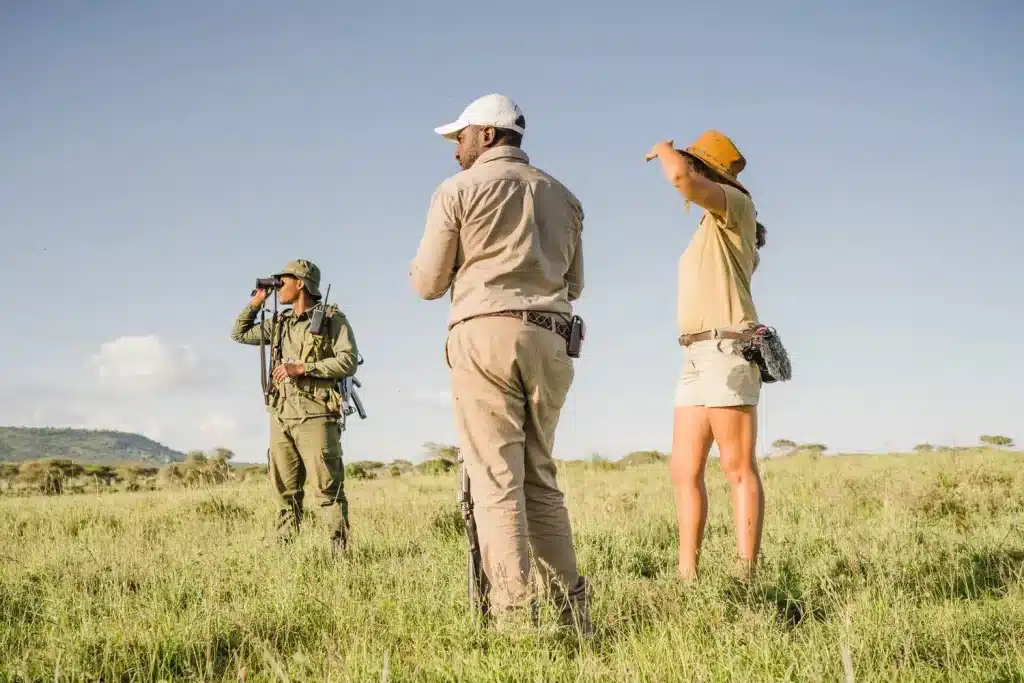
- Professional safari guide
- Game drives
- 4×4 safari vehicle
- Drinking water
- Airport transfers (in most cases)
They usually do not include:
- International flights
- Visa fees
- Travel insurance
- Tips
- Alcoholic beverages (in some camps)
Here is a look at why the costs vary;

What Determines the Cost of a Safari in Tanzania?
No two safaris are the same. That’s why prices differ. Here’s what really affects your budget:
- The Parks you visit
Tanzania has some of Africa’s most famous safari spots:
- Serengeti National Park
- Ngorongoro Crater
- Tarangire National Park
- Lake Manyara National Park
The Serengeti and Ngorongoro are pricier because:
- Park fees are higher
- Lodges cost more
- Logistics are more complex
If you only focus on Tarangire and Lake Manyara, your safari will be less expensive than a full Serengeti trip.
2. Time of year (High season vs Green season)
This factor surprises many travelers.
- High season (June – October)
- Best wildlife viewing
- Great Migration river crossings
- Highest prices
- Green season (November – May)
- Lush landscapes
- Fewer tourists
- Lower rates (sometimes 20–30% cheaper)
If you’re flexible, traveling just before or after peak season can save you a lot without sacrificing too much wildlife viewing.
3. Accommodation level
This is where the biggest differences occur.
- Mid-range safari (USD 400–700/day)
- Comfortable tented camps
- En-suite bathrooms
- Great guides
- Excellent wildlife access
- Fewer extras, more authenticity
This option is great for couples, families, and first-time safari travelers.
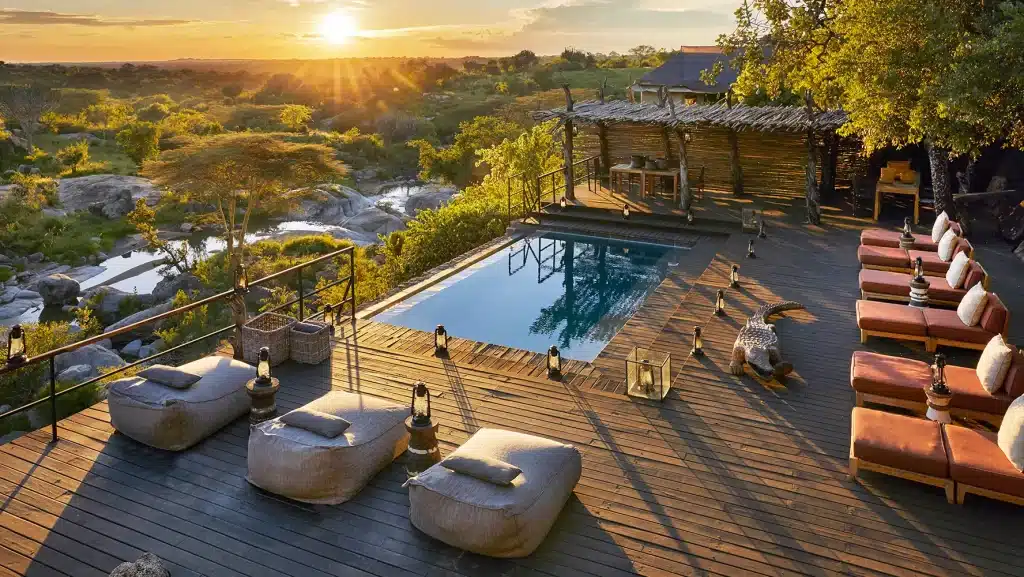
- 4-Star luxury (USD 700–1,200/day)
- Larger rooms
- Beautiful views
- Higher-end dining
- Possibly a plunge pool
- Smaller guest capacity
You still experience the wild side of Africa, but with more polish.
- 5-Star luxury (USD 1,200–2,500+/day)
- Private villas
- Personal butler service
- Charter flights between parks
- Premium wines
- Ultra-exclusive locations
At this level, safari meets top-tier hospitality.
4. Group size
Here’s something many people don’t know:
A safari is more affordable per person when it is shared. A private vehicle has a fixed cost. So:
- 2 people means a higher per-person rate
- 4 people result in a significantly lower per-person rate
- 6 people offer the best value
If you’re traveling as a family or small group, the savings can be substantial.
5. Road Safari vs Fly-In Safari
Driving between parks saves money.
Flying between parks is faster and more luxurious, but it adds to the overall cost. For example:
- Driving from Arusha to Serengeti: a full-day trip, lower cost.
- Flying: 1–2 hours, but adds USD 250–500 per person each way.
It depends on your comfort level and time available.

Estimated Daily Cost Breakdown (Realistic Ranges)
Here’s a simplified view to help you visualize budgeting:
| Level | Low Season | High Season |
| Mid-range | USD 400 – 500 | USD 550-700 |
| 4-Star Luxury | USD 700 – 900 | USD 900-1,200 |
| 5-Star Luxury | USD 1,200 – 1,800 | USD 1,800 – 2,500+ |
Remember, these are per person, per day.
A 6-day mid-range safari in high season can cost around USD 3,300 to 4,200 per person.
Hidden Costs You Should Budget For
Let’s discuss the expenses people often overlook.
- International flights (USD 700–1,500 depending on origin)
- Tanzania visa (around USD 50–100 depending on nationality)
- Travel insurance
- Tips (USD 10–20 per person per day for guides is standard)
- Alcohol & premium drinks
- Hot air balloon safari in Serengeti (around USD 550–600 per person)
Being prepared makes your trip smoother and easier.
Is a Tanzania Safari Worth the Cost?
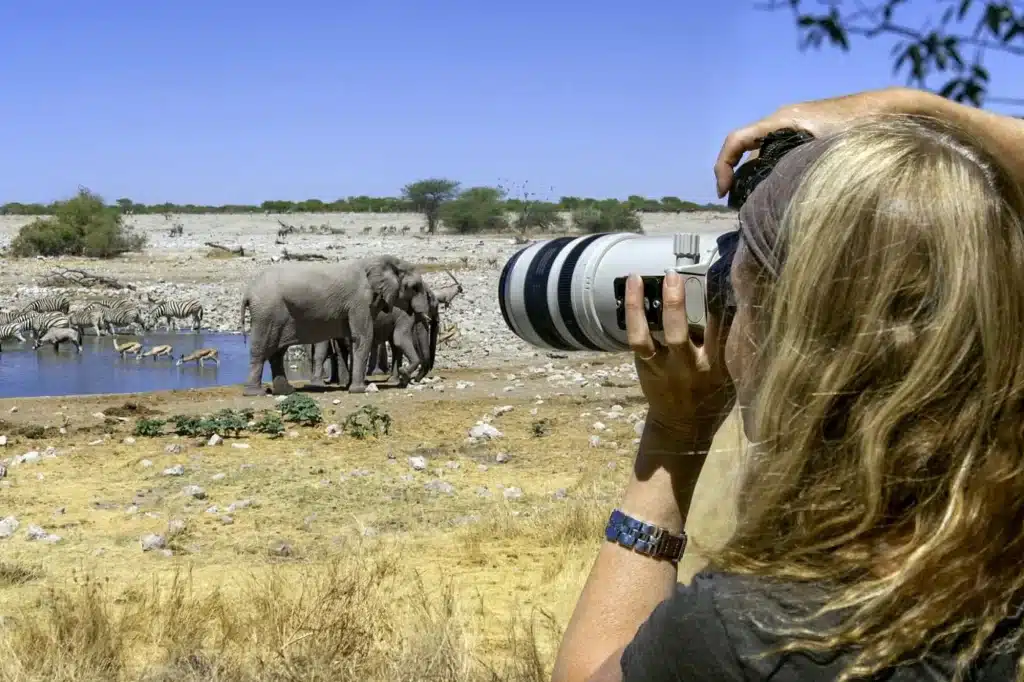
A Tanzania safari is not cheap. But when you’re sitting in the golden light of the Serengeti watching a lion pride wake up at dawn or standing on the edge of Ngorongoro Crater looking into a wildlife-filled paradise, the value becomes clear.
You’re not just paying for a place to stay, but also:
- Access to protected ecosystems
- Conservation efforts
- Highly trained guides
- Park preservation
- Safety and logistics in remote areas
And you are paying for memories that will last forever. These magical moments are why travelers return to Tanzania every year.

Ways to Reduce the Cost of a Tanzania Safari
If you’re concerned about budget (as most people are), here are some practical tips:
- Travel in shoulder season
- Join a small group safari
- Focus on 3–4 parks instead of 6
- Book early for better rates
- Avoid high-peak migration river crossing weeks
At Cheetah Safaris, we often adjust itineraries to balance comfort and value without sacrificing wildlife quality.
The reality is that Tanzania safaris vary greatly in price because they offer different experiences. However, there is an option for nearly every serious traveler, from well-planned adventures to high-luxury journeys. The key is not asking how much it costs, but what kind of experience do I want? We don’t push the more expensive option; rather, we design the right one for you.