
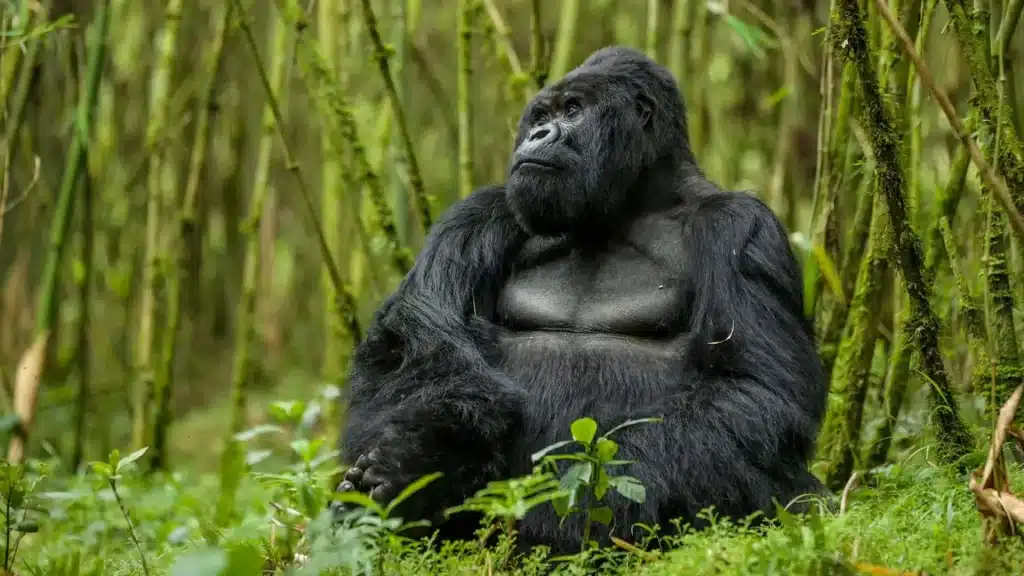
There are travel experiences, and then there is standing face to face with a wild mountain gorilla. It is a surreal experience unlike any at a zoo, where fences and glass separate you. Here, it’s just you and a silverback in their natural habitat, occasionally quietly observing you.
If you’re planning gorilla trekking in Uganda, one of the most important decisions you’ll make is when to go. Timing affects trail conditions, permit availability, photography, comfort, and even how much you’ll spend.
At Cheetah Safaris, we plan treks across Uganda every season. The truth is, there isn’t just one “best” time to go gorilla trekking. Different seasons offer unique advantages, making it easy to find an optimal time that works for you.
Have a look;
Where Gorilla Trekking Happens in Uganda
Gorilla trekking in Uganda takes place in two extraordinary forests:
- Bwindi Impenetrable National Park
- Mgahinga Gorilla National Park
Bwindi is the most popular and is home to the majority of Uganda’s mountain gorillas. Mgahinga is smaller, has more dramatic scenery, and is often quieter.
Both operate year-round.

Understanding Uganda’s Seasons
Uganda has two main dry seasons and two wet seasons.
Dry Seasons (Best overall conditions)
- June to September
- December to February
Wet Seasons (Lush but muddy)
- March to May
- October to November
Here is what each season means for your trek;
Dry Season: June to September (Peak season)
If you ask most safari planners for the “best time,” this is when they will pick because;
- Trails are drier and easier to hike.
- Less mud and slipperiness.
- Lower chance of heavy rainfall during your trek.
- Clearer visibility in the forest.
- Easier wildlife photography conditions.
This is the most popular period for gorilla trekking. Permits sell out quickly, especially in Bwindi. If you plan to travel between June and September, booking 4 to 6 months in advance is wise.

What It Feels Like
Cool mornings with fresh forest air. The roads are slightly dusty, but generally, it is highly exciting.
You will still sweat; it’s rainforest trekking. However, the overall hiking experience is more manageable, and at the end, it is highly satisfying.
December to February: Short Dry Season
This is another excellent window.
The weather is warm but relatively dry. Trails are usually in good condition. It’s a popular time for travelers who combine gorilla trekking with East Africa safaris or holiday travel.
It’s slightly less crowded than June to September, but still considered high season.
Wet Season: March to May (Green Season)
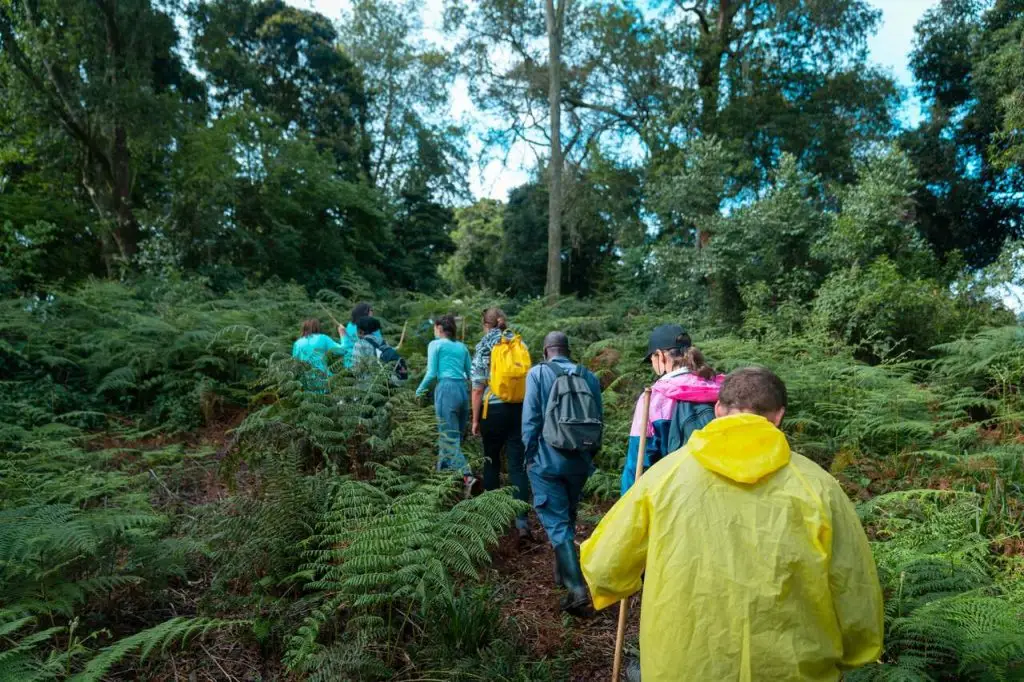
The rainy season in a rainforest sounds overwhelming, right? The rains can be heavy, the trails will be muddy, and your boots will get dirty. But here is the charm that most people miss. The splendor of the rainforests is evident in the wet season. Besides the breathtaking, lush sights, here are some advantages of the rainy season;
- Fewer tourists.
- Easier permit availability.
- Incredible photography atmosphere.
- Lower lodge rates.
Gorillas don’t disappear in the rain. In fact, they often stay closer to lower slopes where food is abundant.
For adventurous travelers, photographers, or those seeking value, March to May can be magical. You only need proper waterproof gear and realistic expectations.
October to November: Shoulder Season
This is a transitional period with lighter rains compared to March to May. It is often overlooked, which makes it an attractive time. You may get short afternoon showers, but trekking is very manageable. Permits are easier to secure than in peak months.
For flexible travelers, this can be an excellent balance between cost and conditions.
Does Weather Affect Gorilla Sightings?
This is one of the biggest concerns in trekking. However, gorilla sightings are not seasonal.
Tracking teams monitor gorilla families daily. Rangers know where they nested the previous night and estimate their movements.
The success rate of seeing gorillas in Uganda is extremely high, well over 95%.
Rain does not mean you won’t find them.
Permit Availability and Pricing
Gorilla trekking requires a permit issued by the Uganda Wildlife Authority.
As of 2026:
Permit cost: USD 800 per person
This price does not change by season.
However:
- Lodges may offer green season discounts.
- Flights may be cheaper.
- Safari combinations may cost less.
Peak months (June to September, December to February) sell out first. Cheetah Safaris secures permits early to ensure availability for our clients.
Temperature and Climate Expectations
Uganda sits near the equator, but altitude changes everything.
Bwindi sits between 1,160 and 2,600 meters above sea level.
Expect:
- Cool mornings (10 to 15°C / 50 to 59°F).
- Daytime temperatures around 18 to 25°C (64 to 77°F).
- Occasional rain showers year-round.
It’s not freezing, but a light jacket is essential in the mornings.
When Is the Absolute Best Time?
Narrowed down, these are the best times:
- For the easiest hiking conditions: June to September.
- For fewer crowds and better value: March to May.
- For balanced conditions and moderate traffic: December to February.
Combining Gorilla Trekking with Other Safaris
Many travelers combine gorilla trekking with:
- Kenya or Tanzania safaris.
- Queen Elizabeth National Park.
- Murchison Falls National Park.
If you’re planning a broader East Africa itinerary, season alignment becomes important.
For example:
- June to September is excellent for both gorillas and the Great Migration in Tanzania.
- December to February works well for gorillas and Kenya wildlife safaris.
Planning holistically ensures smoother travel logistics.
What to Pack for Any Season
Regardless of timing, always bring:
- Waterproof hiking boots.
- Rain jacket or poncho.
- Long trousers.
- Gardening gloves (for grabbing vegetation on steep slopes).
- Insect repellent.
- Refillable water bottle.
- Small backpack.

Even in the dry season, forest humidity is real.
There is something incredible about meeting gorillas in the rainforest. Watching a 180kg silverback calmly eating bamboo shoots is a once-in-a-lifetime experience. Whether you choose dry season or wet season, you are sure to create magical moments.