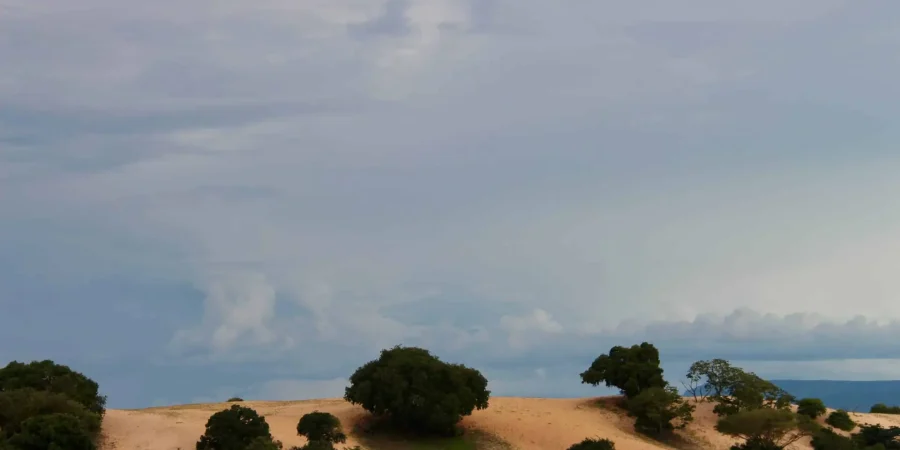
Discover Kasanka National Park
Kasanka National Park, located in central Zambia, is a privately managed park covering approximately 390 square kilometers. It is one of Zambia’s smallest national parks, but it holds significant ecological value due to its diverse habitats, including wetlands, forests, rivers, and grasslands. The park is famous for hosting the world’s largest mammal migration, where over 10 million straw-colored fruit bats gather in the Mushitu swamp forest between October and December. This spectacular event attracts wildlife enthusiasts and photographers from around the world.
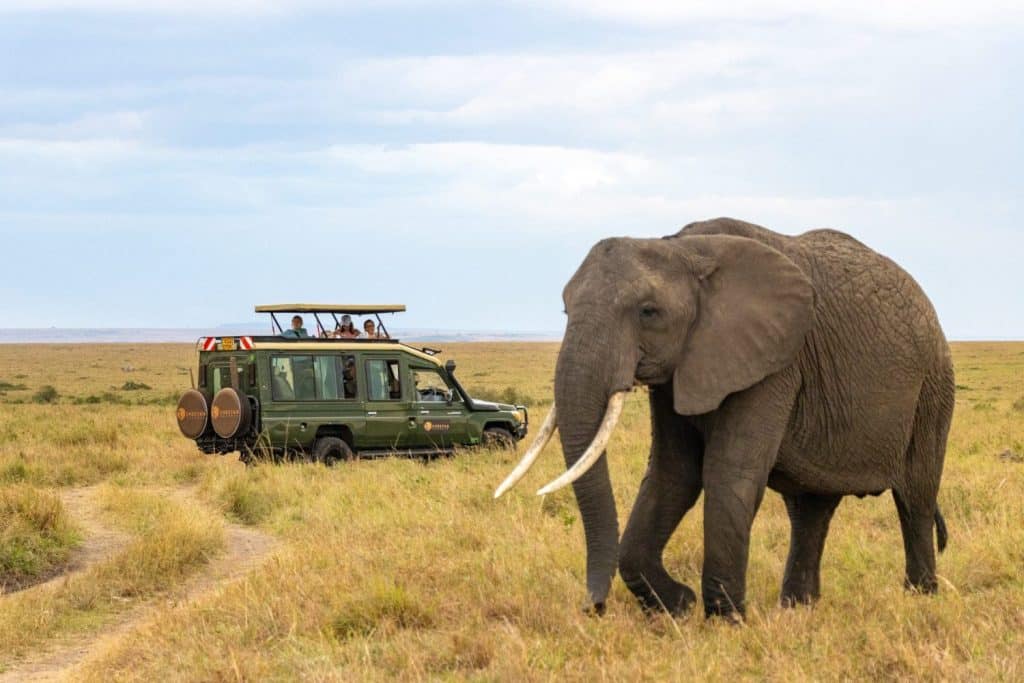
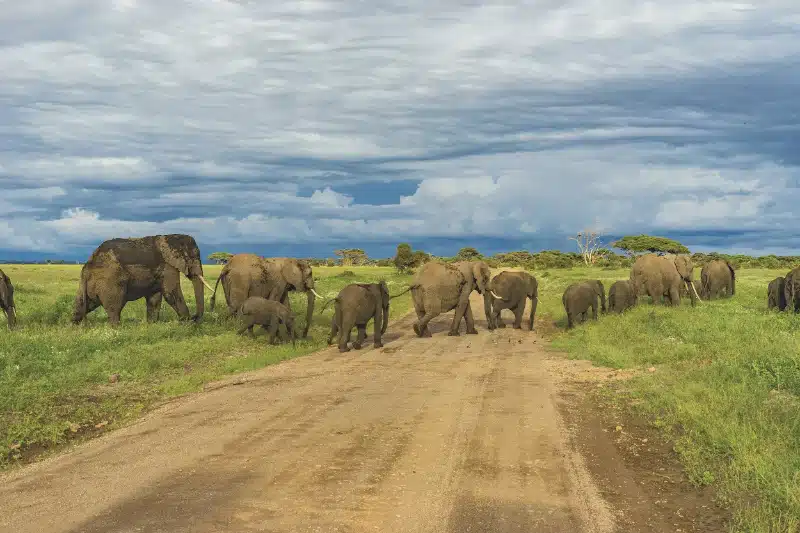
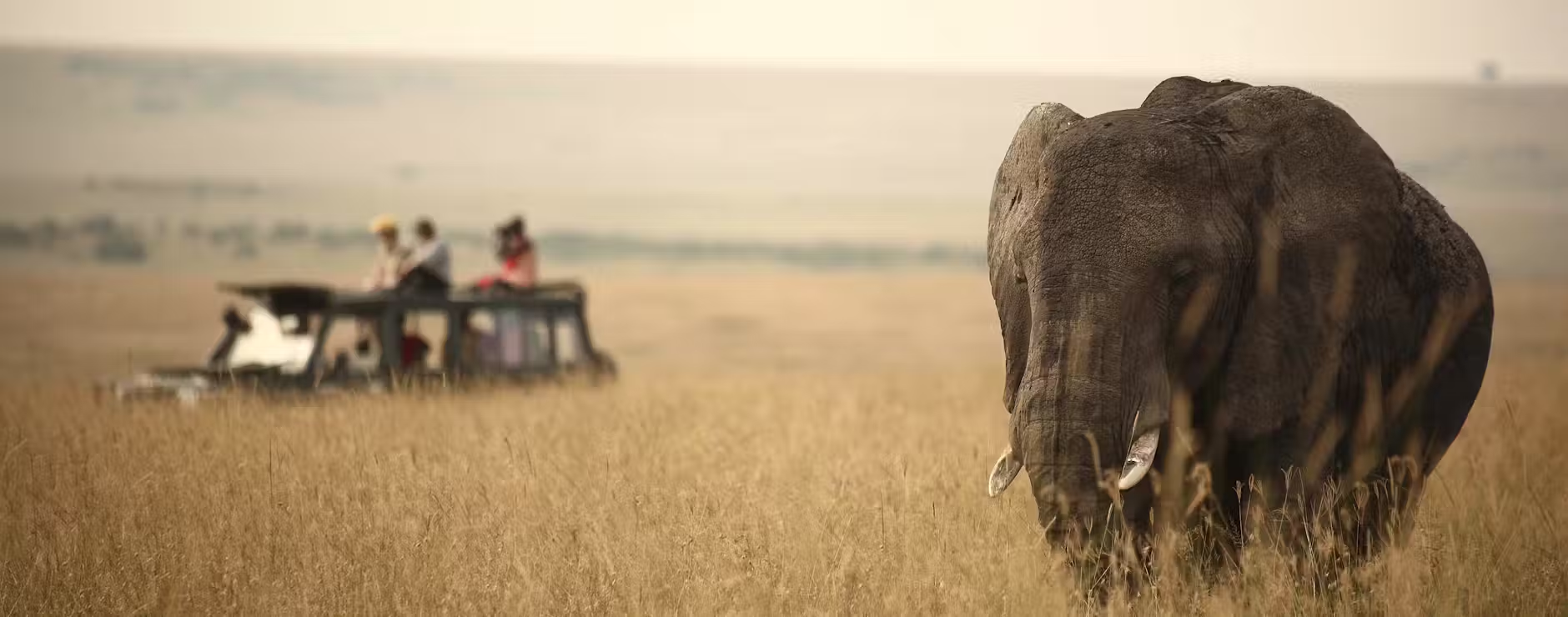
Aside from the bat migration, Kasanka is home to over 470 bird species, making it a birder’s paradise. Visitors can also spot sitatunga antelopes, which are rarely seen elsewhere in Zambia, as well as elephants, hippos, buffalo, and several species of primates. The park’s lush landscapes, seasonal floodplains, and peaceful atmosphere make it a perfect destination for nature lovers looking for an off-the-beaten-path safari experience.
Wildlife and Attractions
Kasanka National Park offers a rich and varied ecosystem, making it ideal for both game viewing and birdwatching. Some of the key attractions include:
- The Bat Migration (October to December) – A natural spectacle where over 10 million bats take over the Mushitu swamp forest, creating one of Africa’s greatest wildlife phenomena.
- Sitatunga Antelope – Kasanka is one of the best places to see these rare and elusive swamp-dwelling antelopes.
- Shoebill Stork and Birdwatching – The park’s wetlands and forests attract a wide variety of birds, including the shoebill stork, Ross’s turaco, and Pel’s fishing owl.
- Pontoon Safaris and Canoeing – Visitors can explore the Luwombwa River by boat, offering unique views of wildlife and birdlife.
- Guided Walks and Cycling Safaris – The park offers walking safaris and cycling tours, providing a more intimate experience with nature.
What is Kasanka National Park Entry Fees?
| Category | Zambian Citizens (ZMW) | Residents (ZMW) | Non-Residents (USD) |
| Adults | 50 | 150 | 25 |
| Children (6-15 years) | 25 | 75 | 12 |
| Children (Under 6) | Free | Free | Free |
| Vehicle Entry (per vehicle) | 60 | 60 | 60 |
What is the Best Time to Visit Kasanka National Park?
Kasanka National Park is a year-round destination, but the best time to visit depends on what you want to experience.
Low Season
January to May
The park is lush and green after the rains, making it beautiful but also difficult to navigate due to muddy roads. Wildlife viewing is more challenging as animals spread out due to abundant water sources. The best time for birdwatching as migratory birds are present.
High Season
June to September
The dry season brings easier road access and better game viewing as animals gather around water sources. Vegetation thins out, making wildlife easier to spot. Ideal for canoeing safaris and walking safaris.
Peak Season
October to December
The best time to witness the bat migration, which is the park’s main highlight. Excellent for photography and birdwatching. High visitor numbers, so advance bookings are recommended.
How do you Get to Kasanka National Park?
By Road
The park is about 500 km from Lusaka and can be reached in 6 to 7 hours by car. The easiest route is via the Great North Road, passing through Serenje before turning off at the Mansa road junction. The last 40 km to the park is on a dirt road.
By Air
The nearest airstrip is Kasanka Airstrip, which allows for charter flights. Visitors can also fly to Samfya or Serenje, then drive to the park.
Which are the Best Places to Stay Kasanka National Park?
Which are the available Safari Packages to Kasanka National Park?
Which Other National Parks to visit apart from Kasanka National Park
Find other national parks related to Kasanka National Park that you either combined your safari with or get inspired to book them later on in your next adventures. The destinations are some of the best that you can visit that are close to Kasanka National Park.
Kasanka National Park FAQs