African Safaris in February
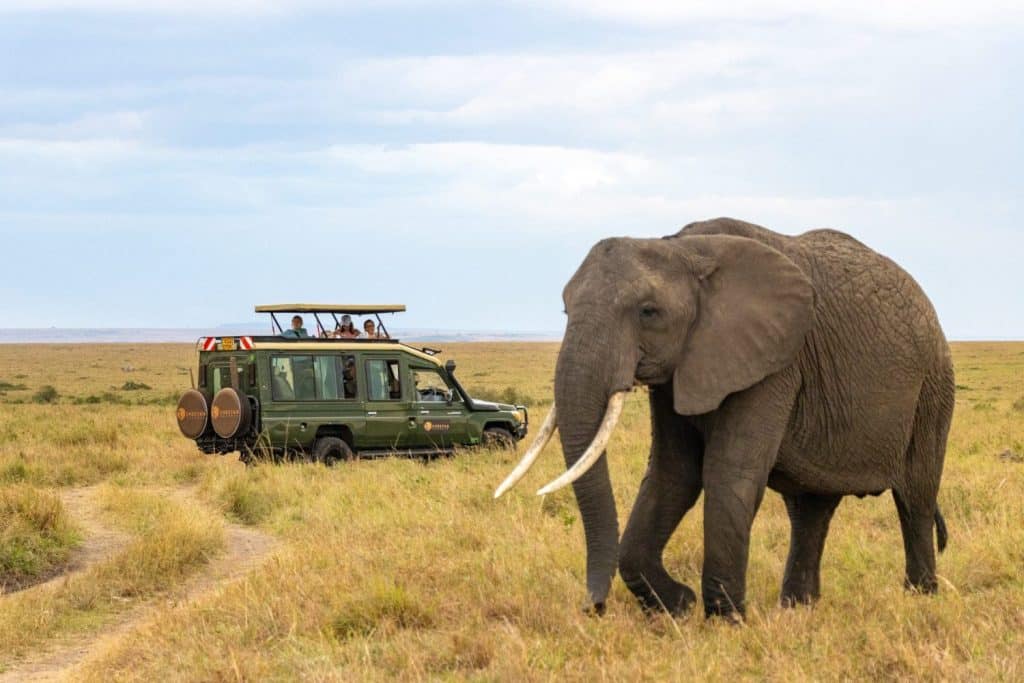
When planning an African safari in February, there is a need to consider the different climatic patterns of both Eastern and Southern Africa. For the Eastern African countries such as Kenya, Tanzania, Rwanda, and Uganda, February is a brief dry season with warm days and plenty of sunshine. This is the best time for an African safari as the animals congregate around the remaining water sources.
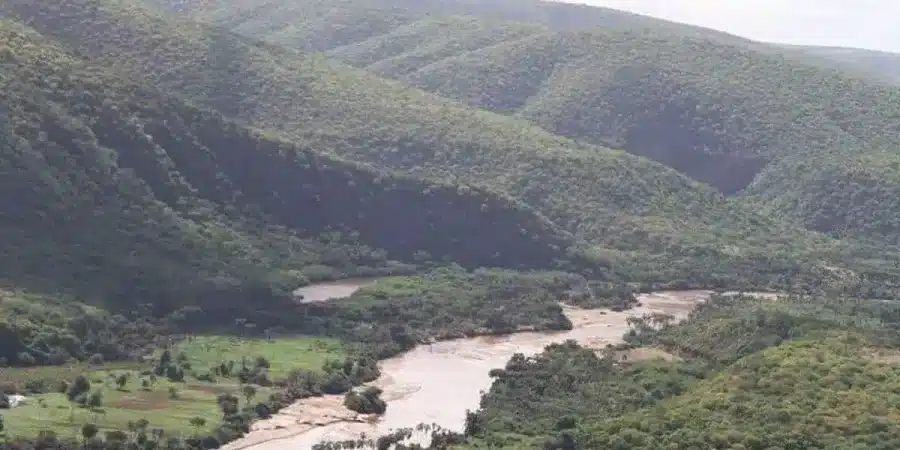
However, the Southern African countries such as Botswana, Zambia, and South Africa are in the middle of the green season. Although there is rain in the afternoons, the scenery is beautiful and emerald green, making it an affordable time with fewer tourists for those seeking exclusivity.
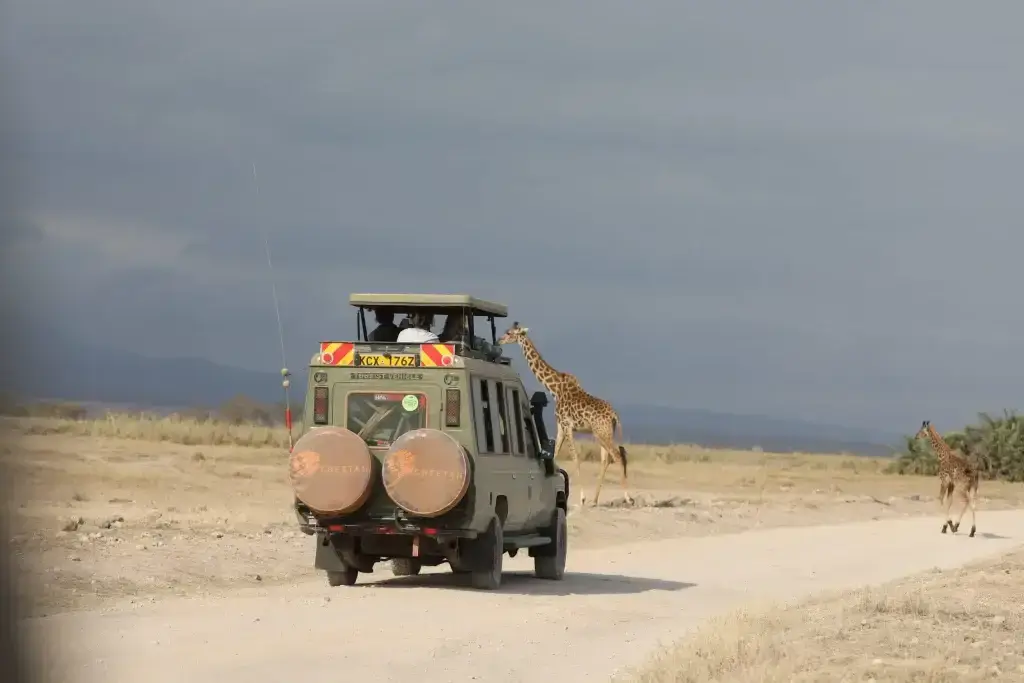
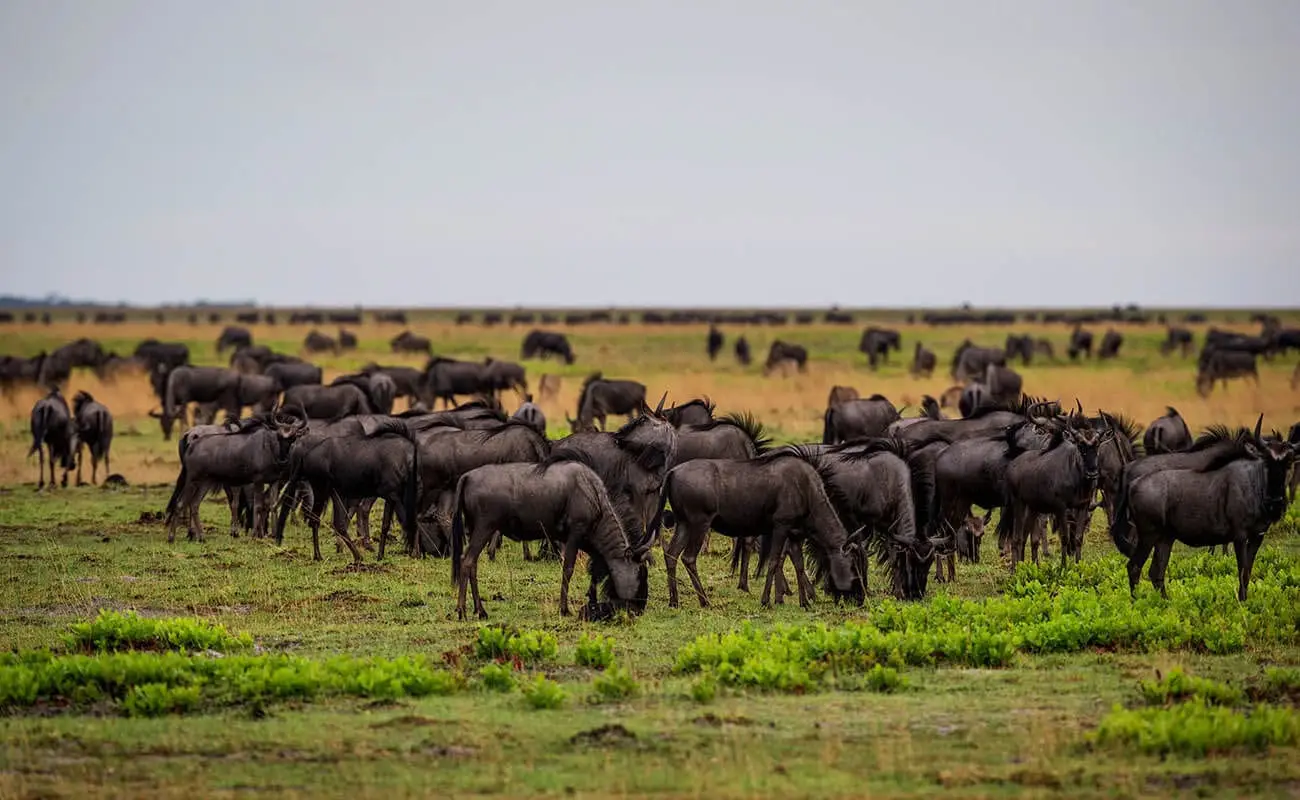
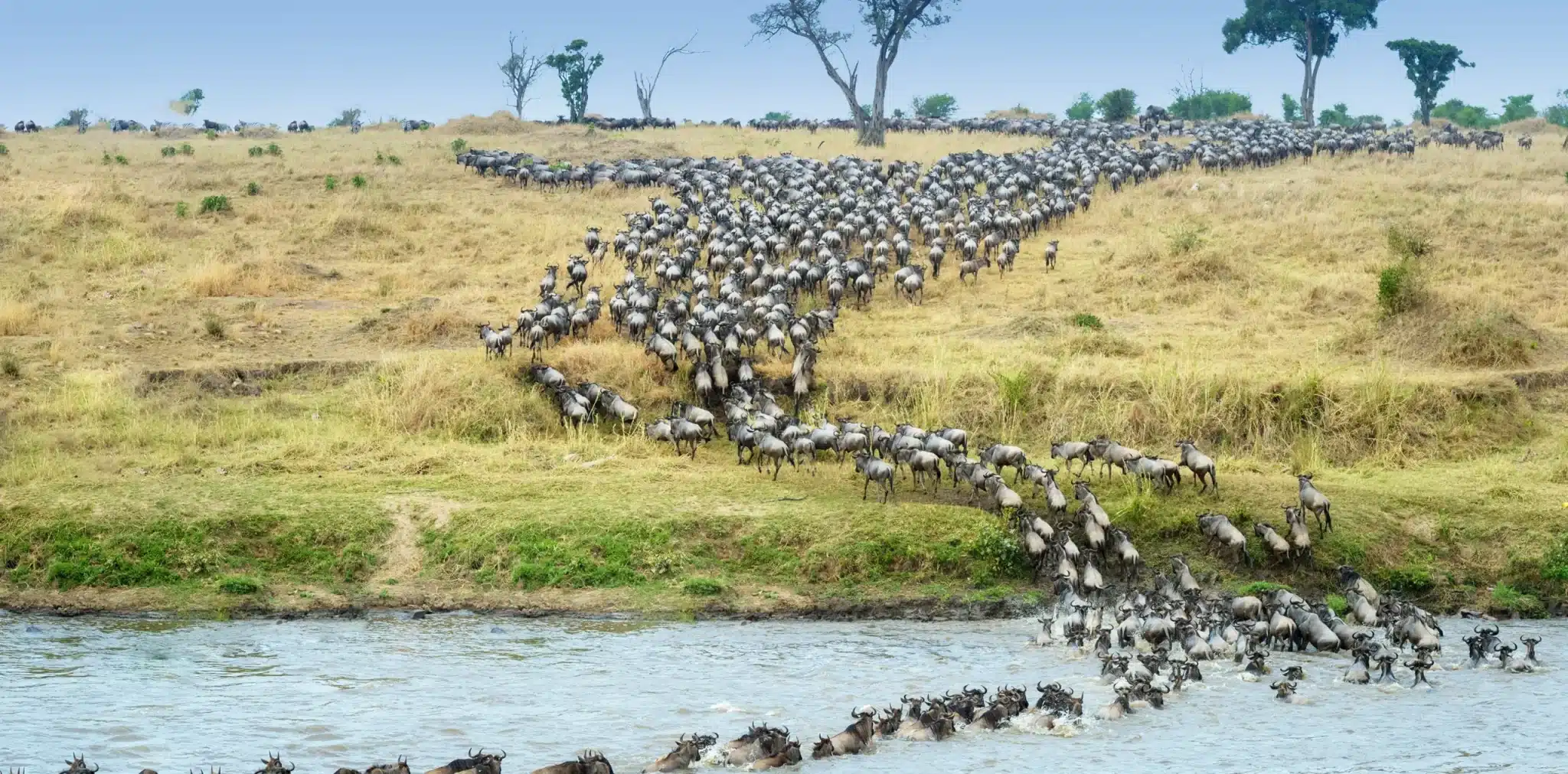
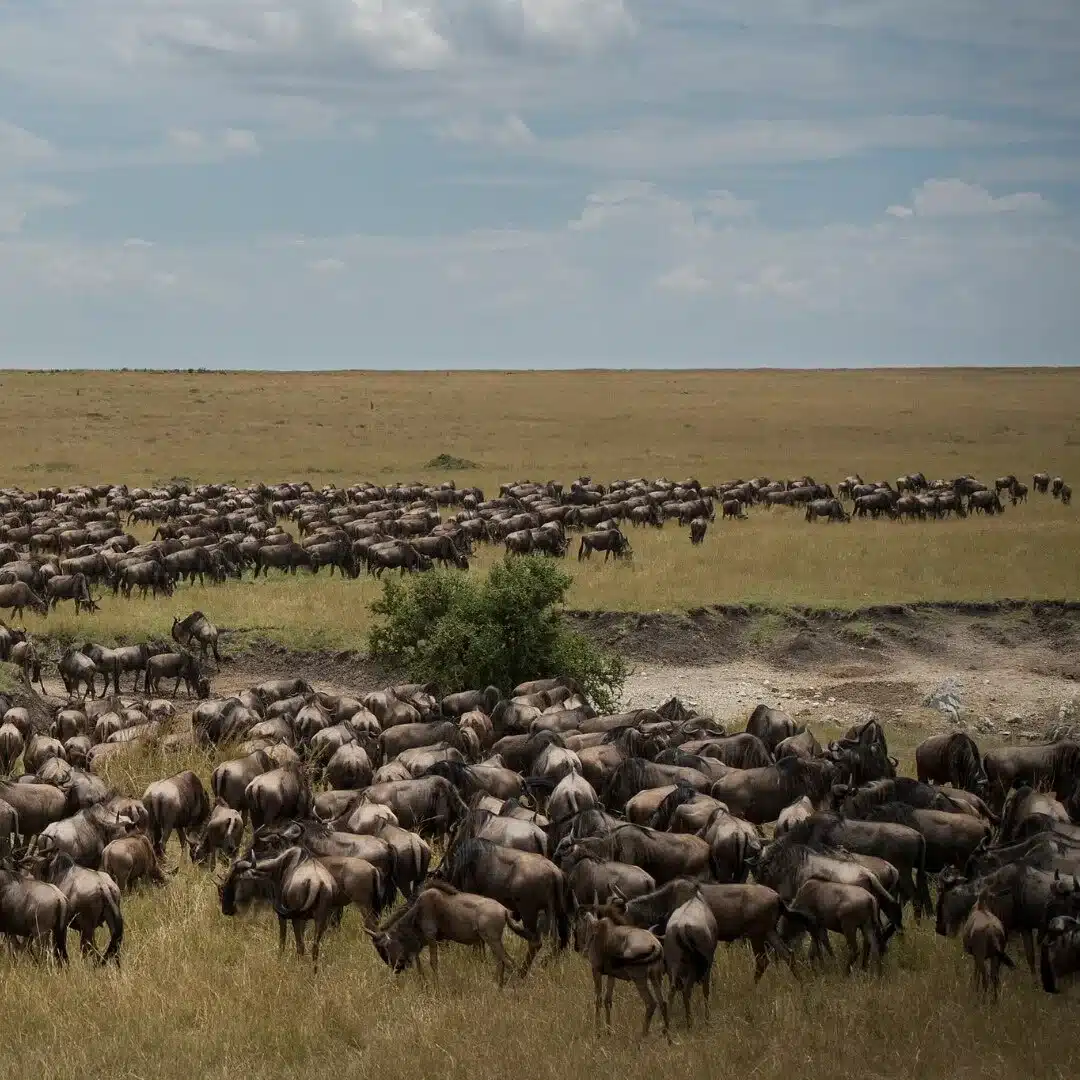
For most tourists, the best part of February is the Great Migration in the Southern Serengeti and Ndutu regions of Tanzania. This is the time of the year when the calving season is in full swing, with about 8,000 wildebeest calves born daily.
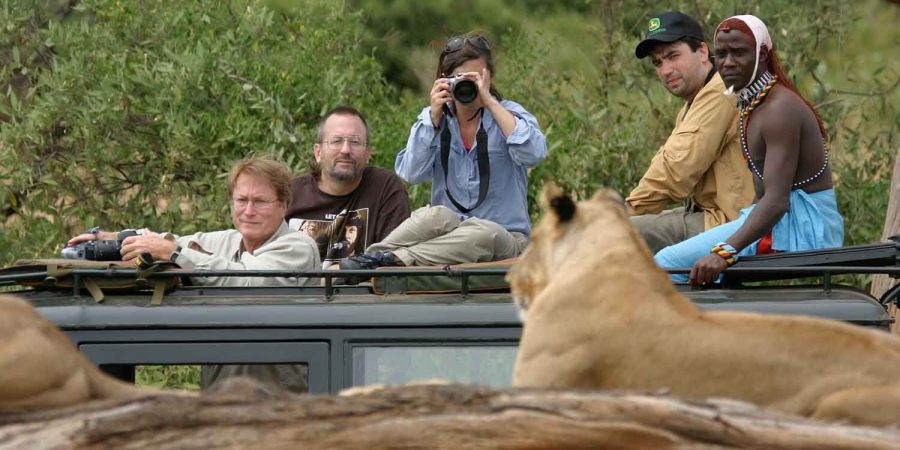
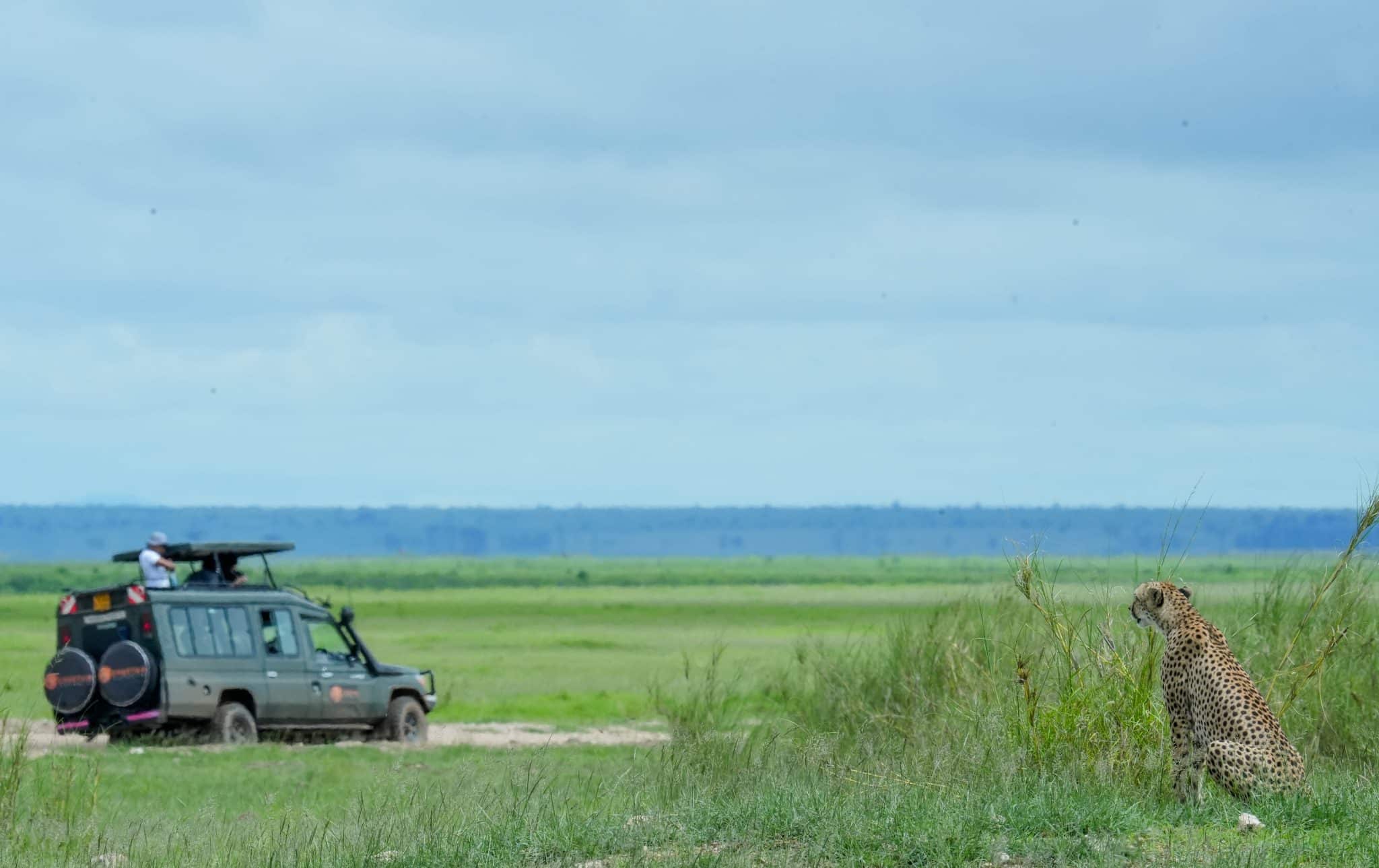
The increase in the wildebeest population is accompanied by the activity of predators such as lions, cheetahs, and hyenas, as they feed on the calving herds. It is arguably the most spectacular time of the year for wildlife photography.
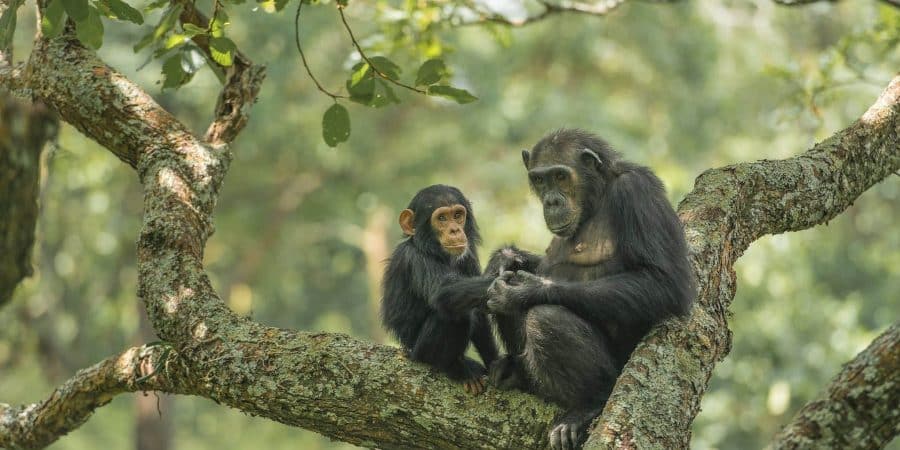
Outside the Serengeti, February is an ideal month for primate treks in Rwanda and Uganda. The drier weather means that the treks are much less slippery, which can be treacherous due to the steepness of the mountains.
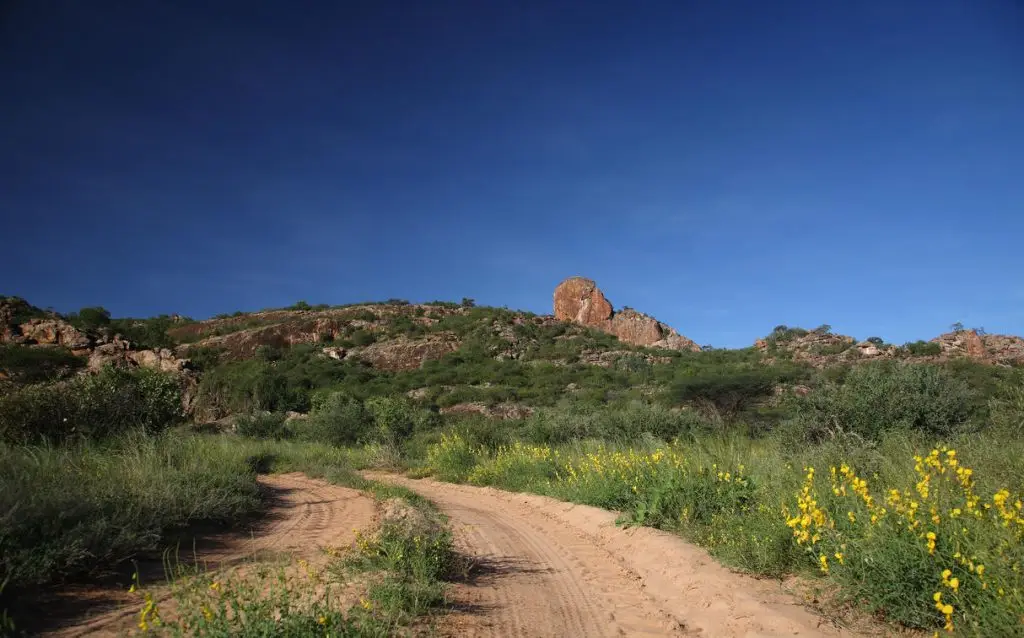
In Kenya, the dry conditions in the northern parks like Samburu and Laikipia are ideal for spectacular wildlife viewing. It’s also an ideal time to relax after a dusty safari with a beach extension to Zanzibar or Mafia Island, where the waters are warm and crystal clear for diving.
It would also be a good idea to look for the best value destinations when booking a trip for February. While East Africa is in a peak demand dry season, the green season in South Africa’s Kruger or Zambia’s South Luangwa National Park provides stunning scenery and unbeatable birdwatching opportunities for a fraction of the peak season price.
However, it must also be noted that there are areas of concern, and the cyclone season peaks in the Indian Ocean during the month of February, so it would be best to avoid Mozambique, Madagascar, and Mauritius.
How are Weather Conditions in February For Safaris by Destinations?
African Safaris in February Seasonal Guide
Best Weather Guide to plan your African Safari Holiday by country and weather conditions. We have listed them by month and by major destinations in Africa to help you plan your safaris more effectively. Our safari experts are available to help you plan accordingly and advise on the best places to go in February for your safari.
| Countries | Weather in February |
| Botswana | Min 6°C (43°F), Max 25°C (77°F) |
| Kenya | Max: 77.9°F(25.5°C) Min: 50.9°F(10.5°C) |
| Tanzania | Max: 28°C (82.4°F) Min: 15°C (59°F) |
| Uganda | Max: 29℃ (84℉) Min: 18℃ (64℉) |
| Rwanda | Max: 27℃ (81℉) Min: 16℃ (61℉) |
| Zambia | Max: 27℃ (81℉) Min: 18℃ (64℉) |
| Zimbabwe | Max: 29℃ (86℉) Min: 18℃ (64℉) |
| Namibia | Max: 30℃ (86℉) Min: 17℃ (63℉) |
| South Africa | Max: 34℃ (93℉) Min: 18℃ (64℉) |
| Zanzibar | Max: 32℃ (90℉) Min: 25℃ (77℉) |
How is the weather in February By Countries?
January provides a great variety of safari experiences to suit your scenery and weather preferences. If you are visiting East Africa, countries such as Kenya and Tanzania have a dry and warm season with temperatures ranging between 25°C to 30°C. This is the most popular time to witness the great wildebeest calving season in the southern Serengeti. Thousands of young wildebeests during the calving season attract a high number of predators. This is the best time to have a great sunny day game drive or mountain trekking.
For those who want to have unique adventures, January is one of the best months for gorilla trekking in Uganda and Rwanda. The dry weather makes the trekking trails in the forests easier to walk on. It makes for a comfortable experience while in the company of these gentle giants. Whether one wants the dry plains in the north or the greenery in the south, January offers a wide range of opportunities for a very memorable trip to Africa.
On the other hand, January is the green season in Southern Africa. This season brings along thunderstorms and hot temperatures. However, the scenery is a paradise of emerald green. This is a bird enthusiast’s paradise since the wet season brings along a variety of migrant birds. This is a great time to capture the most dramatic skies. Despite the thick vegetation, animals are giving birth to their young. This provides a great opportunity to witness the most adorable scenes of young calves and cubs.
Kenya Safaris in February
The month of February provides a perfect time to go on a Kenyan safari trip in the hot and dry season. Such a time would provide a perfect opportunity to see wild animals as they gather around the water holes due to the scarce resources. The best times of seeing predators and the young animals are also experienced in the Maasai Mara during this period.
The weather is sunny and warm with a maximum temperature of about 28°C in the Maasai Mara. Due to the absence of rain, the time is ideal for bird watching.
Tanzania Safaris in February
February in Tanzania is remarkable because of the Great Migration’s calving period in the southern part of the Serengeti and Ndutu Plains. It is an exciting period when thousands of wildebeests are born every day. You will see how many animals live in the green and lush landscapes.
This period is characterized by warm sunshine and relatively low tourism. These factors allow you to enjoy active photo shoots and bird watching.
Uganda Safaris in February
In February, one can enjoy an incredible Uganda safari because this period marks the short summer of dry and warm weather. Such climate conditions allow great trekking in Bwindi Impenetrable and Kibale forests, where the forest trail is less slippery while searching for gorillas and chimpanzees.
Moreover, during this period, there will be an outstanding wildlife encounter since most animals tend to congregate at watering places due to the lack of rain. Besides, dry roads make transportation easier. In addition, the average temperature varies from 18°C to 29°C.
South Africa Safaris in February
February is one of the best months to visit South Africa on a safari tour since there will be lots of greenery, and you can have a great time enjoying bird watching. During the “green season,” travelers can see young animals, while popular tourist spots such as the Kruger National Park will not be crowded.
Although there will be hot temperatures and some rain, the views will still be beautiful, with plenty of sunny spells. This month is perfect for visiting Cape Town due to its mild, sunny climate.
Botswana Safaris in February
February marks the height of the “Green Season” in Botswana, marked by its greenery and skies filled with moods. The temperature hits approximately 32°C, making it ideal for photography and bird-watching enthusiasts to enjoy beautiful views and a variety of birds.
It is an ideal time to watch baby animals being born, especially in the Central Kalahari. Several lodges provide low off-season prices, offering visitors a great experience.
Namibia Safaris in February
A safari in February in Namibia gives you an exclusive point of view as the desert turns green. Although it is the hot and wet season, there will be fewer crowds, and you will get to witness some amazing bird-watching. The day temperatures can rise above 35°C, making it more interesting with the seasonal changes.
The usual thunderstorms that occur in the afternoon give new life to the surroundings, and young animals come to life. This exciting season makes it perfect for taking photos.
Zambia Safaris in February
A Zambia safari in February offers a lush “Green Season” experience defined by dramatic scenery and fewer crowds. While this is the peak rainy season, showers typically occur as short, heavy afternoon thunderstorms. These conditions create a vibrant atmosphere that is perfect for viewing newborn animals and experiencing the wilderness at its most fertile.
It is also the premier time for photography and birdwatching throughout the region. Furthermore, visitors can witness Victoria Falls in its most powerful, full-volume flow.
Zimbabwe Safaris in February
In February, there is an abundance of “green season” experiences in Zimbabwe that feature stunning scenery and landscapes. Despite the seasonal rains making travel a bit difficult and dispersing much of the wildlife, the vegetation in the area is highly picturesque. This is one of the best times for watching birds and baby animals.
Some of the top attractions include seeing the massive power and spray of Victoria Falls when the water levels are high. Another great spot is Matobo National Park, where there will be fewer crowds and beautiful natural greenery.
Zanzibar Island Beach Holidays in February
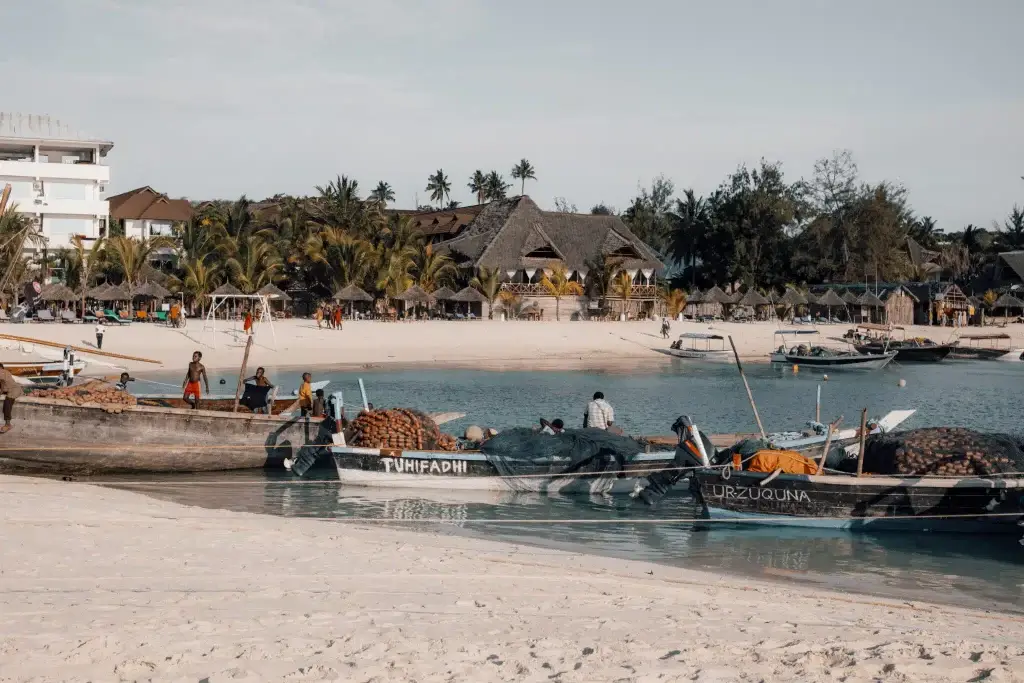
February is one of the best months to visit Zanzibar’s beaches since the weather during this period is usually warm and dry, with temperatures fluctuating between 29°C and 34°C. February is also part of the dry season, which means there will be little to no rain and plenty of sunshine.
The clear skies translate into calm, azure waters that offer crystal-clear visibility, making it an excellent opportunity to enjoy beach moments, diving, and snorkeling.
Best Places to Visit this February?
Under the best places you can visit in February, and if you would probably enjoy the best safari in Africa. We prefer luxury and guided safaris in Africa for an optimum experience. With this February guide, you will be able to understand if it suits your interests and preferences. For further assistance, kindly get in touch.
In February, one can enjoy safaris in Eastern Africa because of the clear skies and presence of newborns due to calving during the migration period. This month is also suitable for gorilla tracking in Rwanda and Uganda. On the other hand, in Southern Africa, one will enjoy safaris during the green season.
Best Safari Destinations to visit in Africa
- Serengeti & Ngorongoro (Tanzania): See the prime calving period in the southern Serengeti and Ndutu, where thousands of wildebeests are born each day, causing intense predatory behavior. The Ngorongoro Crater is still great for seeing the “Big Five” in a dry volcanic landscape.
- Maasai Mara & Samburu (Kenya): Get wonderful animal sightings with high predator activity and fewer people. Samburu provides rare northern animals and perfect conditions for 4×4 game drives and walking safaris.
- Volcanoes & Bwindi (Rwanda/Uganda): Get good weather conditions with dry trails, making gorilla trekking and monkey watching easier.
- Okavango Delta (Botswana): Visit during the “green season,” which boasts beautiful landscapes, fewer visitors, and top bird-watching opportunities.
- Zanzibar Island (Tanzania): During February, the beaches in Zanzibar offer amazing opportunities to explore and enjoy the clear, crystal waters, Zanzibar Island activities, and more water sports activities.
Why Book your African Safari in February
- Wildebeest Migration Calving: The southern Serengeti in Tanzania serves as one of the largest nurseries on earth, providing some of the best wildlife encounters in the region.
- Ideal Climate for exclusive safaris: With drier weather prevailing in East Africa, wildlife congregates near water sources for easier viewing, and South Africa boasts picturesque green settings along with brilliant sunny days suitable for photographers.
- Exclusivity and Wildlife Sightings: February falls in the low season for East African Safaris. This is when we have fewer crowds and fewer people, but a high concentration of wildlife.
What to Pack in February For an African Safari?
Understand the best things and items to pack during a safari in February. The guide below will help you know what to pack this month so you can have an easy, stress-free time on your safari.
Packing Lists are very important for ensuring you have the right items for certain seasons, and our detailed African Safari Packing List will be helpful to you.
February is a pretty hot and dry month of the year, falling in the high season.
Pack lightweight, neutral-colored clothing in khaki, olive, or beige to blend into the landscape and manage warm daytime temperatures. Since February mornings are often chilly despite the dry season, dressing in layers is essential for comfort. Focus on breathable fabrics like cotton or linen to stay cool during afternoon game drives.
Include long sleeves and trousers for protection against the sun and insects. Essential items also include a warm fleece, a waterproof rain jacket, and durable hiking boots. These selections ensure you remain prepared for varied terrain and shifting weather conditions throughout your safari.
| What to Wear in February | Medication to Pack for Safari |
- Comfortable sneakers/sandals/walking shoes for game walks
- Flip-flops or similar for pool or in-room use, or even in safari vehicle
- Baseball cap or hat to keep dust/sun from the head
- Windbreaker/fleece jacket for layering during game drives and evening
- Jeans (one or two pairs)
- Khaki or cotton pants/slacks, for dinnertime
- Four T-shirts for daytime wear
- Button-down long-sleeve sports shirts (optional at dinner for men)
- Long-sleeve and mid-sleeve women’s cotton shirts for layering
- Shorts/cut-offs—two or three pairs for mid-day wear
- Sleeveless shirts for warmer days—very necessary for summer
- Bathing suit
- Underwear (sports bras are recommended for game drives)
- Socks
| Pack enough daily vitamins and prescribed medicine to last your entire trip. Keep your prescriptions in their original bottles and store them in your carry-on bag. - Allergy remedy
- Rehydration salts like Liquid I.V.
- Pain reliever
- Antiseptic cream
- Motion sickness tablets
- Dramamine
- Dramamine Natural Non-Drowsy
- Heartburn remedy
- Anti-diarrhea medicine
- Cold/flu tablets
Anders |
For more clothing ideas, check out our guide to what to pack for an African safari.
Which are the best Tailor Made Safari Packages to Book in February?
Looking for a perfect African Safari to book in February? We’ve got some of the best safari ideas for you here. Browse and choose the best that suits your holiday safari interest. In case there is none, please get in touch with our Safari Experts, and we will ensure you get exactly what you are looking for.
Which Other Months to Explore For Safaris in Africa?
Looking for the perfect Time for an African Safari? We have listed below more guides that will help you determine the best time and place to visit Africa for your safari Adventure.
Why Book Your African Safari Holiday with us?
Are you in search of a luxury safari adventure where you can view interesting wildlife? Well, you are in the right place. At Cheetah Safaris, we offer customized luxury safaris that are aimed at catering to your demand to explore and have an adventure.
In addition to its plains, Kenya also holds Africa’s second-highest mountain, Mt. Kenya. Do not forget to witness and experience one of the Wonders of the World, made possible not elsewhere but only in Kenya: The Great Wildebeest Migration. Indeed, the Maasai Mara provides an awe-inspiring view and is not just an experience but a once-in-a-lifetime experience!
February Safaris in Africa – FAQs