Discover Ngorongoro Conservation Area
Ngorongoro Conservation Area: Tanzania’s Ngorongoro Crater is widely regarded as one of the most stunning spectacles in Africa, and rightly so. This location is renowned for having the highest density of wildlife in the whole of this great continent and is sometimes referred to as the ‘eighth wonder of the world’.
Often referred to as the ‘eighth natural wonder of the world’ the Ngorongoro Conservation Area combines some of the best wildlife and scenery the country has to offer with the culture of its Maasai inhabitants and the history of its archaeological sites.
The conservation area covers 8288 sq km, embracing the eastern half of the Serengeti Plains, highland plateaus, volcanic mountains, craters, and gorges, and is home to Ngorongoro Crater – the breathing central attraction.
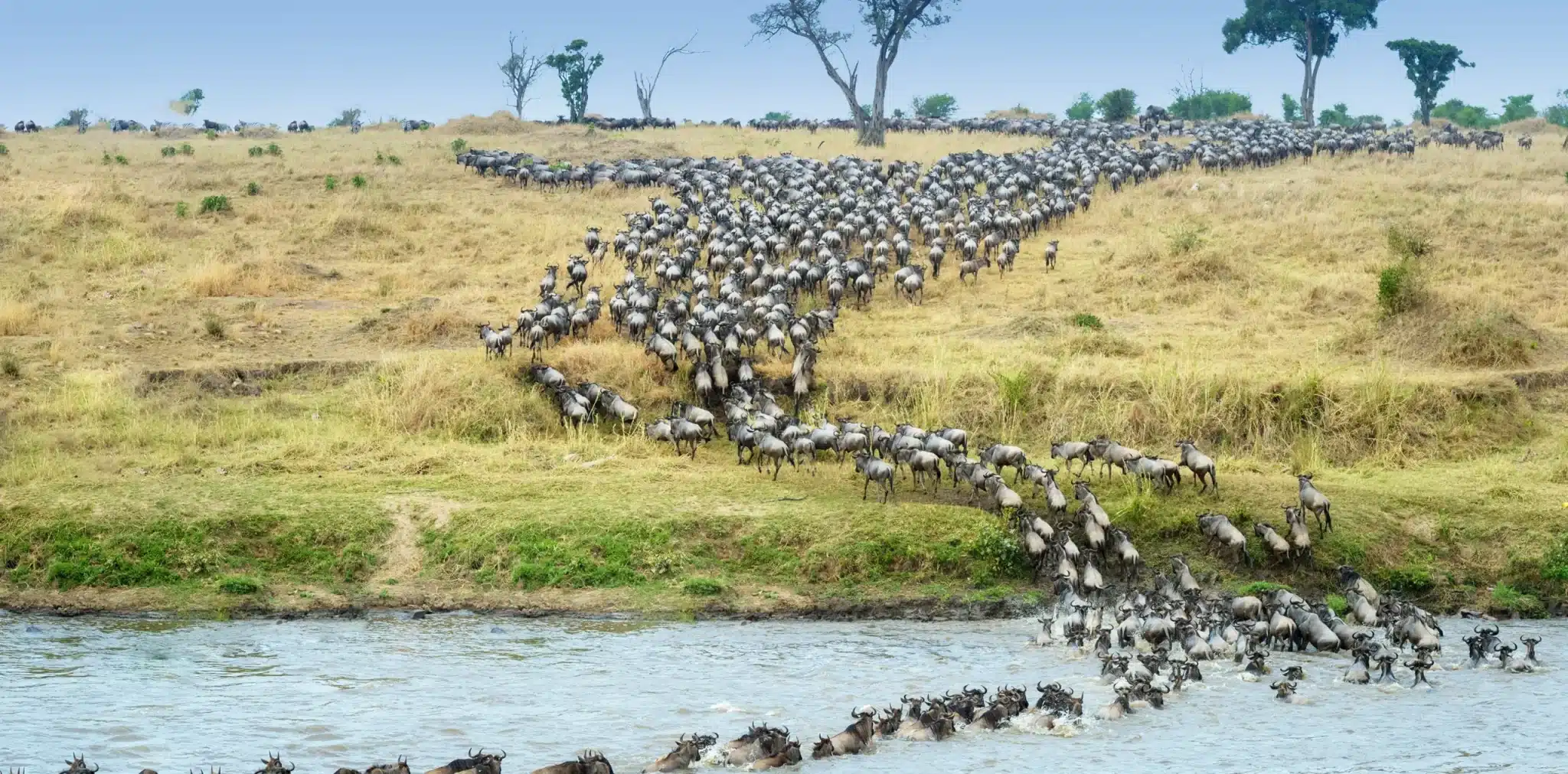
The Ngorongoro Crater attracts quite a jaw-dropping amount of visitors each year thanks to its great wildlife viewing opportunities and genuinely mind-blowing environment. You can be fully assured that there is nowhere quite like the Ngorongoro Crater! Being a top destination, you can not go wrong in choosing Ngorongoro Crater as part of either Kenya and Tanzania Safaris or your Wildebeest Migration Safaris.
Why go on safari to Ngorongoro Crater
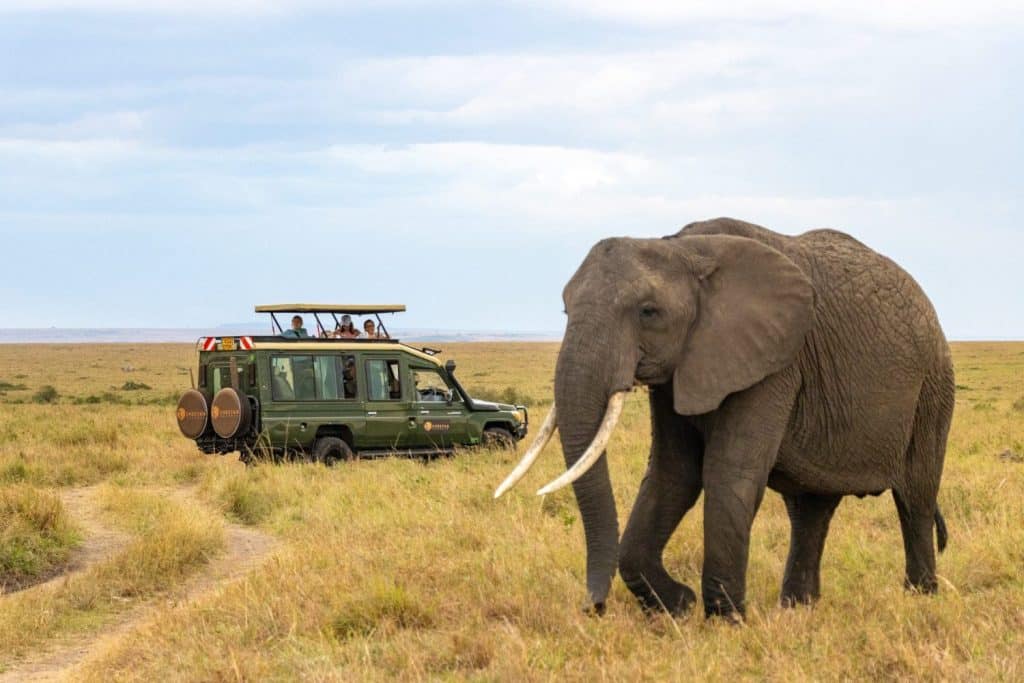
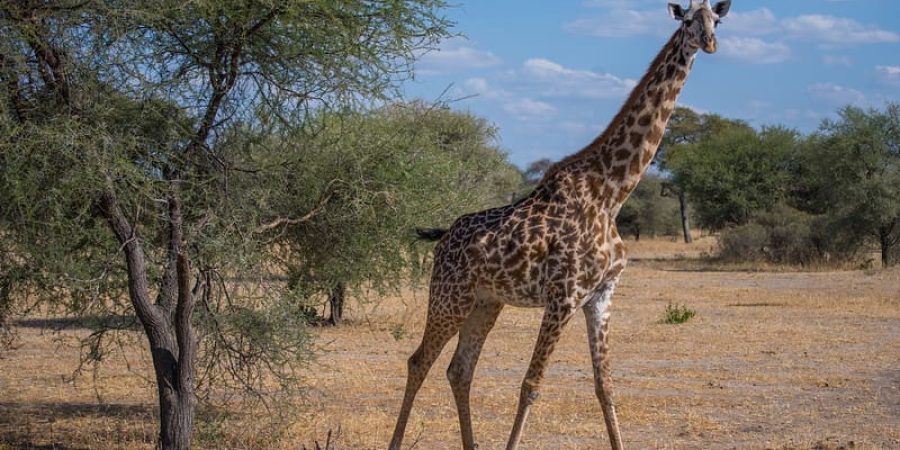
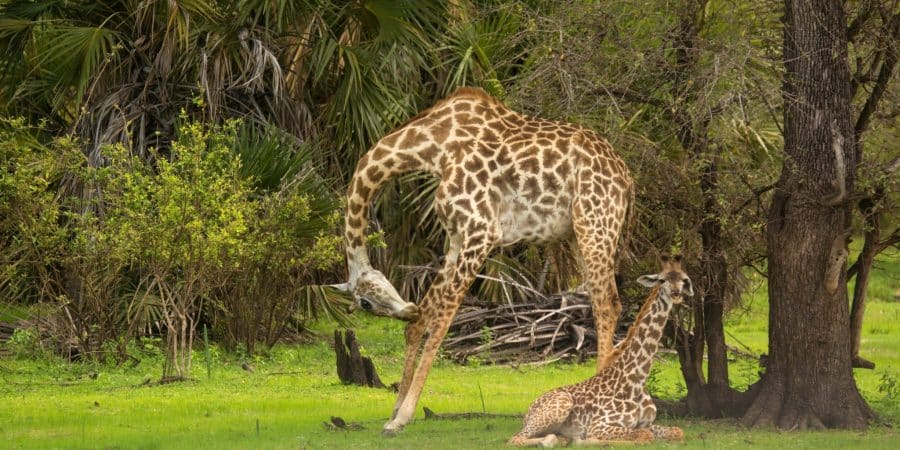
This magnificent location can be home to approximately 30’000 animals at any given time, and thanks to the crater’s multiple habitats, the diversity of the game here is second to none. One particular species that’s worth mentioning that you may encounter here is the endangered Black Rhino, as a small population of this beautiful animal is thriving in this idyllic and protected environment.
The crater floor consists of several different habitats that include grassland, swamps, forests, and Lake Makat (Maasai for ‘salt’) – a central soda lake filled by the Munge River. All these various environments attract wildlife to drink, wallow, graze, hide, or climb.
Although animals are free to move in and out of this contained environment, the rich volcanic soil, lush forests, and spring source lakes on the crater floor (combined with fairly steep crater sides) tend to incline both grazers and predators to remain throughout the year.
In addition to this, you can also expect to witness other captivating games on your visit to the Ngorongoro Crater, like flamingos, leopards, and lions! The Ngorongoro Crater neighbors the Serengeti National Park to the South and the Ndutu Conservation Area. We offer affordable and incredible Ngorongoro Crater Safaris from Arusha or Nairobi.
A population of about 30,000 large animals, including the highest density of mammalian predators in Africa, lives in the crater. These include black rhinos, which are usually very uncommon in the area. There are also wildebeest, zebra, eland, Grants and Thomson’s gazelles.
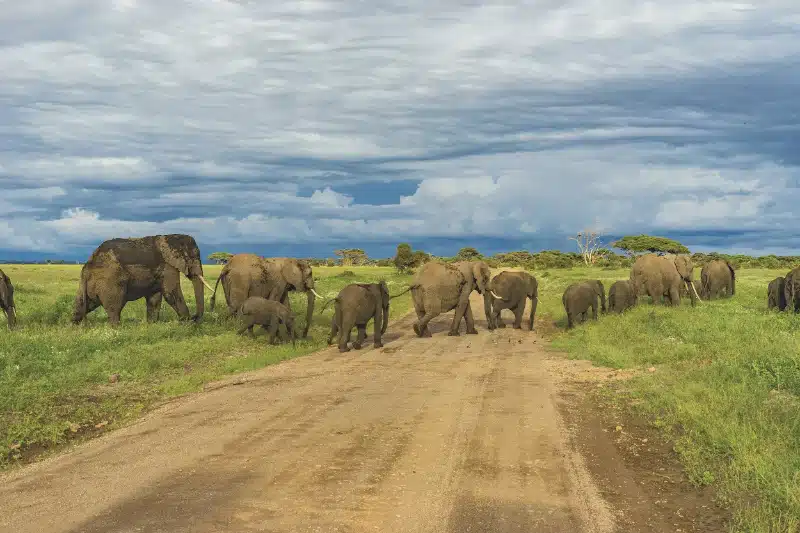
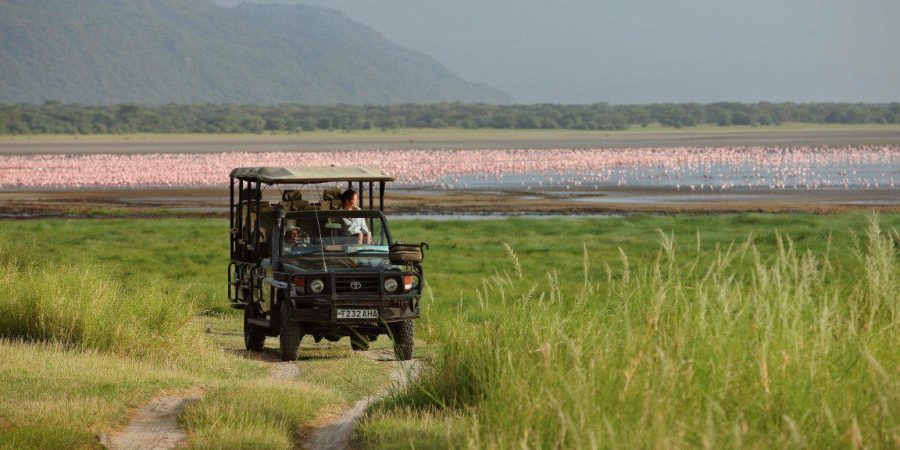
The crater has the densest known population of lions. On the crater rim are leopard, elephant, mountain reedbuck, and buffalo. Lake Magadi, filled by the Munge River in the center of the crater, is, like many in the rift valley, a soda lake supporting flocks of flamingos and a variety of other water birds.
More than 100 species of birds not found in the Serengeti have been found in the crater, including ostriches, kori bustards, secretary birds, and crowned cranes, as well as vultures, egrets, herons, and geese. The rainy season lasts from November through to May, with the dry season running from June through to October. June and July are the coldest months of the year. The rim of the crater is often shrouded in dense clouds that pour over the crater into the vastness below.
What is Ngorongoro Conservation Area Entry Fees?
Below are the Ngorongoro Crater entry fees
Here are some of the Fees you will pay while visiting the Ngorongoro Crater. Ngorongoro Crater Entry Fees.
The Ngorongoro Crater vehicle entry fee is USD 295 per vehicle. This USD 295 only needs to be paid if you plan to descend (drive inside) the Ngorongoro Crater. And yes, this USD 295 Ngorongoro Crater vehicle entry fee is per vehicle and not per person!
Ngorongoro Crater Entry Fees (NCA Transit Fees)
When you are commuting through the Ngorongoro Conservation Area, you are required to pay the NCA transit fees. As an example, you want to drive from Arusha to Serengeti, and while en route, you will cross the Ngorongoro Conservation Area before entering the Serengeti National Park.
In this scenario, you will be required to pay the NCA Transit fees at the Ngorongoro gates, which are the same as the Ngorongoro park fees mentioned above in the tables. Yes, even if you do not plan to descend into the Ngorongoro Crater, you still need to pay the NCA Transit fees. You do not need to pay the Ngorongoro Crater vehicle entry fee of USD 295 per vehicle in this case, as you do not descend inside the crater.
The NCA Transit Fees paid are also valid for 24 hours, so in case you return to the Ngorongoro Conservation Area after 24 hours, you need to pay these NCA Transit Fees again!
| Age / Type | East African / Tanzanian (TZS) | Expatriates / Residents in Tanzania (USD) | Non-East African / International (USD) |
| Adult (16+) | 11,800 | 35.40 | 70.80 |
| Child (5–15) | 2,360 | 11.80 | 23.60 |
| Under 5 | Free | Free | Free |
How to Pay for Ngorongoro Crater Fees
How do you pay for Ngorongoro Conservation Area Fees? To pay for Park Fees, you will have to visit the Tanapa Account, create an account, and select Ngorongoro Crater to pay for the park fees.
How to Pay
- Online Payment:
Some parks allow online payment of park entrance fees, and some do not. Always check official websites for updated data on how to pay your park fees online.
You can generate a permit ticket at the park entrance gates and pay using your preferred payment method, like a credit card or M-Pesa.
2. Payment at Park Gates:
Some parks accept payments at the entrance via mobile money or credit cards. Always ask your Tour operator, our team member, or the national park authority to check if you can pay at the park gates.
Most National Parks accept major credit cards like Visa and Mastercard. American Express is not recommended.
Most national parks do not accept Cash payments; if it happens they do, then it should be in both Tanzanian Shillings (TZS) or USD.
What is the Best Time to Visit Ngorongoro Conservation Area?
How do you Get to Ngorongoro Conservation Area?
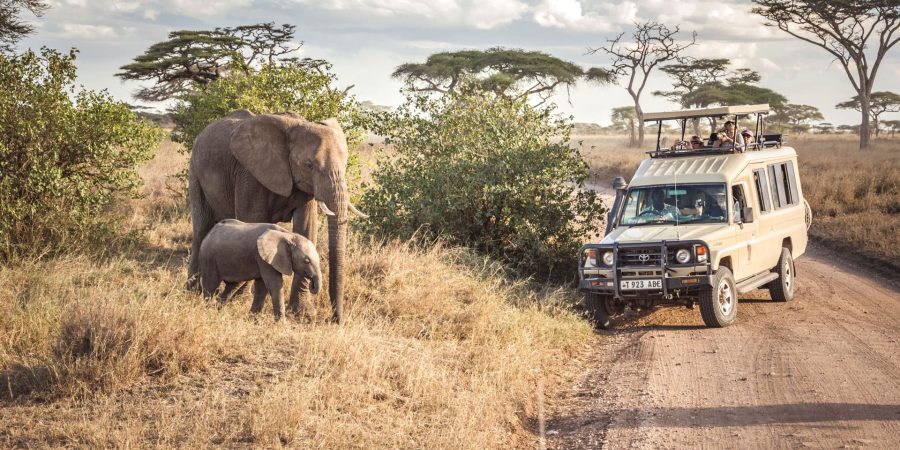
Access to Ngorongoro Conservation Area is most commonly done via road from Arusha, which takes approximately 3 to 4 hours and spans 180 kilometers (112 miles) of well-paved and very scenic road, passing through the vibrant town of Mto wa Mbu and the picturesque coffee plantations of the Karatu highlands. Most tourists use a 4×4 safari vehicle, which is usually arranged through their tour operator, as the final ascent to the rim and then down to the floor requires this type of vehicle to navigate the steep and rugged roads.
However, tourists who wish to save time and arrive at their lodge as quickly as possible can opt to fly to Lake Manyara Airport, which is only 60 to 90 minutes away from the crater rim. Although there is a small private airstrip that is even closer to Ngorongoro Crater headquarters, this is usually obstructed by thick cloud cover and therefore not suitable for scheduled flights from Arusha or Serengeti. Flying provides a spectacular view of the Great Rift Valley, but you will need to arrange for a vehicle to transport you to your lodge to complete your journey.
Which are the Best Places to Stay Ngorongoro Conservation Area?
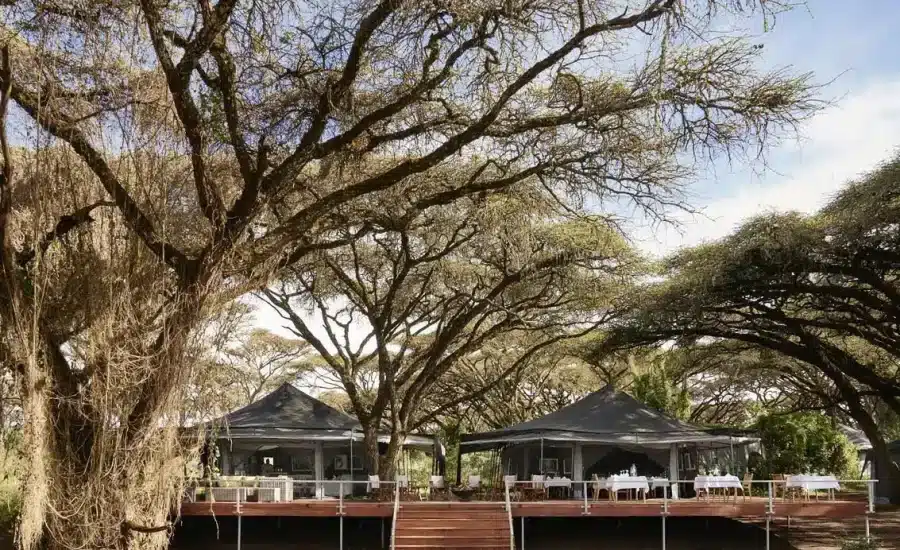
The type of accommodation at the Ngorongoro Crater is largely determined by the location of the lodge relative to the crater rim, with the most sought-after lodges located directly on the crater rim. Iconic lodges such as the &Beyond Ngorongoro Crater Lodge feature lavish baroque-style suites with personal butlers and floor-to-ceiling windows offering vistas of the crater floor.
Other rim-based lodges, such as the Ngorongoro Serena and the stylish Meliá Ngorongoro, focus on architectural aesthetics that blend with the volcanic landscape. Staying on the crater rim not only offers the best view, but it is also strategically advantageous for being the first to access the crater floor come morning, which is important for viewing active predators and the elusive black rhino before the heat of the day.
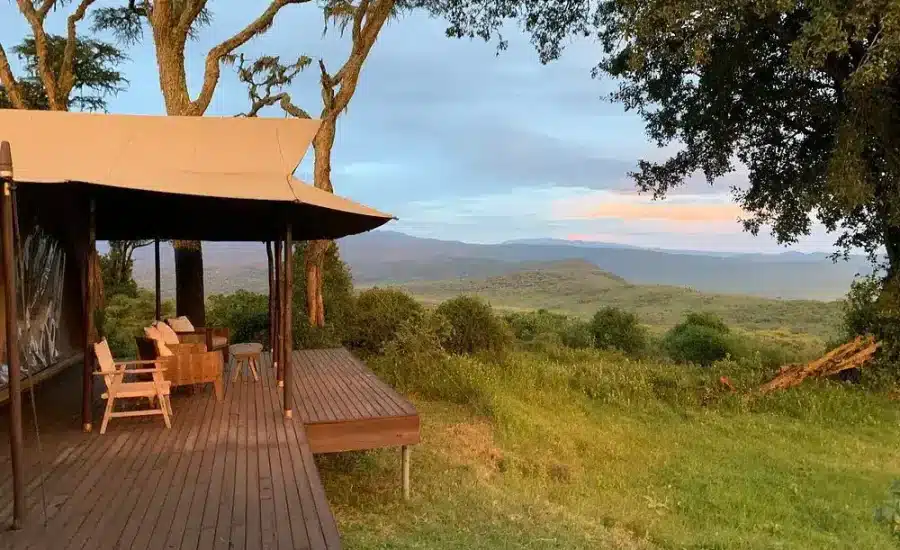
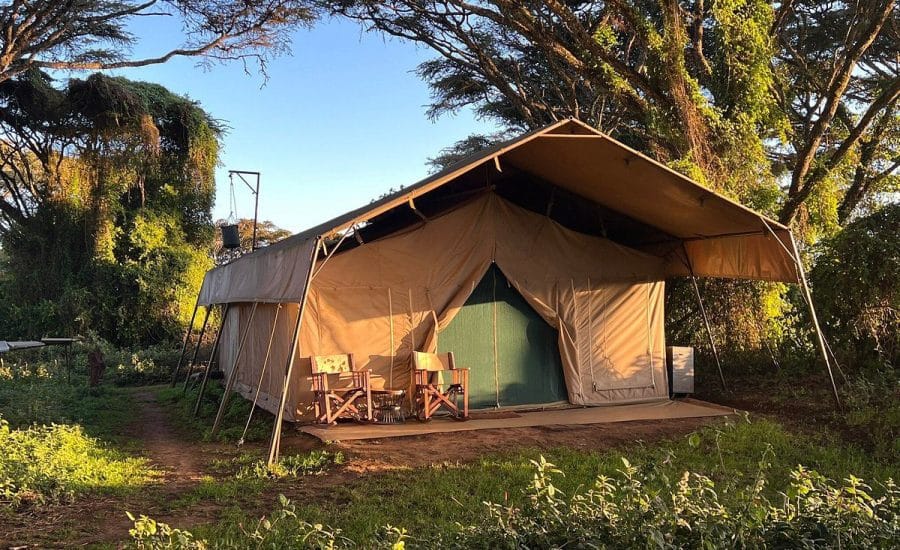
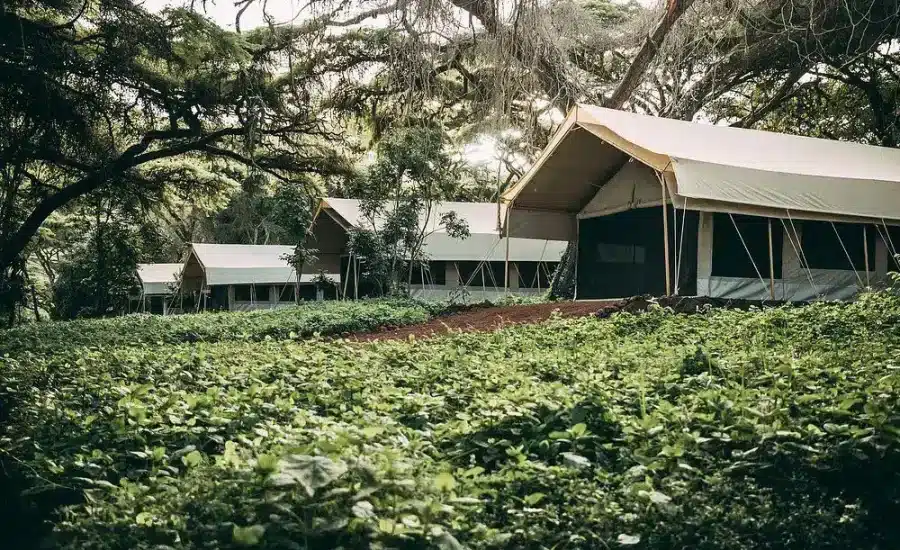
For a more rustic or value-oriented experience, many travelers choose intimate tented camps or the quaint farmhouses of the nearby town of Karatu. For example, tented camps like Lemala Ngorongoro or Lion’s Paw provide the classic “bush” experience, set deep in ancient acacia forests with the sounds of the wilderness only separated by canvas.
Alternatively, the highlands of Karatu offer coffee plantation landscapes and colonial-style estates like Gibb’s Farm and Ngorongoro Farm House. These offer a peaceful and garden-like setting with farm-to-table dining, often at a more affordable price point than the rim-side luxury lodges, and only a short drive from the conservation area’s main gate.
Which are the available Safari Packages to Ngorongoro Conservation Area?
The Ngorongoro safari primarily involves visiting the world’s largest intact volcanic caldera, which is home to a high-density wildlife sanctuary where 25,000 animals, including the endangered black rhino and the large tusker elephants, live in the 600-meter-high walls.
The usual package involves a concentrated 6-hour game drive on the crater floor, which usually begins with a stay on the picturesque rim to ensure an early start. This is usually accompanied by other parks like the Serengeti for the great migration or the Tarangire for the elephants, but more in-depth experiences involve visiting Maasai villages and trekking to the nearby Empakaai or Olmoti craters.
Which Other National Parks to visit apart from Ngorongoro Conservation Area
Find other national parks related to Ngorongoro Conservation Area that you either combined your safari with or get inspired to book them later on in your next adventures. The destinations are some of the best that you can visit that are close to Ngorongoro Conservation Area.
Ngorongoro Conservation Area FAQs