
The Okavango Delta is an experience of a lifetime, and nothing quite prepares you for seeing it in person. The Delta offers wilderness, water, and wildlife all in one, and the floods dramatically change the land. Your journey there, the time you choose to visit, and your mode of travel will significantly impact your overall experience.
The Okavango Delta travel guide below will help you plan realistically, without being overwhelmed by logistics or costs.
Why visit the Okavango Delta?
The Okavango Delta presents you with a real-life experience of what you would typically see on nature channels. This is an ecosystem that is alive and bursting with the wonders of nature. Each year, water from Angola floods the Delta. This leads to the formation of channels, islands, and lagoons, which attract wildlife and birds.
The lush Delta attracts hundreds of bird species, as well as lions, elephants, and hippos, who gather in a small area. It feels magical, riding on a traditional boat (mokoro) through shallow channels, watching wildlife quietly existing in nature. The breathtaking sight at dusk on a remote sandbank is not to be missed.
The best part? The Delta is not crowded. Even in the main safari areas, you will have waterholes or river channels almost to yourself. The sense of serenity here is unlike any other, which is why many travelers find that one visit always leads to another after another.

The best time to visit the Okavango Delta for a safari
As with any destination, the season you choose to travel is essential. What do you want from your trip? Various Okavango Delta safari packages will offer you different deals. Seasonal changes impact the Delta greatly. The Okavango Delta in March is vastly different from July.
- January–March (wet season):
- The Delta is lush and green, birdwatching is phenomenal, and the lodges are quieter.
- Roads can be muddy in some areas, and some camps are less accessible.
- April–May (early dry season):
- Floodwaters are starting to recede, making both land and water activities accessible.
- Wildlife is still abundant, and crowds are moderate.
- June–September (dry season/peak):
- Classic safari months, when animals gather around waterholes.
- Better road conditions, warm days, cool nights.
- Best time for photography and game drives.
- October–November (shoulder season):
- Hotter weather, but fewer tourists, and excellent for tracking certain wildlife.
- Some areas are starting to dry, which may limit water-based activities.
Tip: If your priority is the avians, target the wet season. For game viewing and mokoro rides, the dry season offers the most consistent wildlife concentrations.

How to get to the Okavango Delta
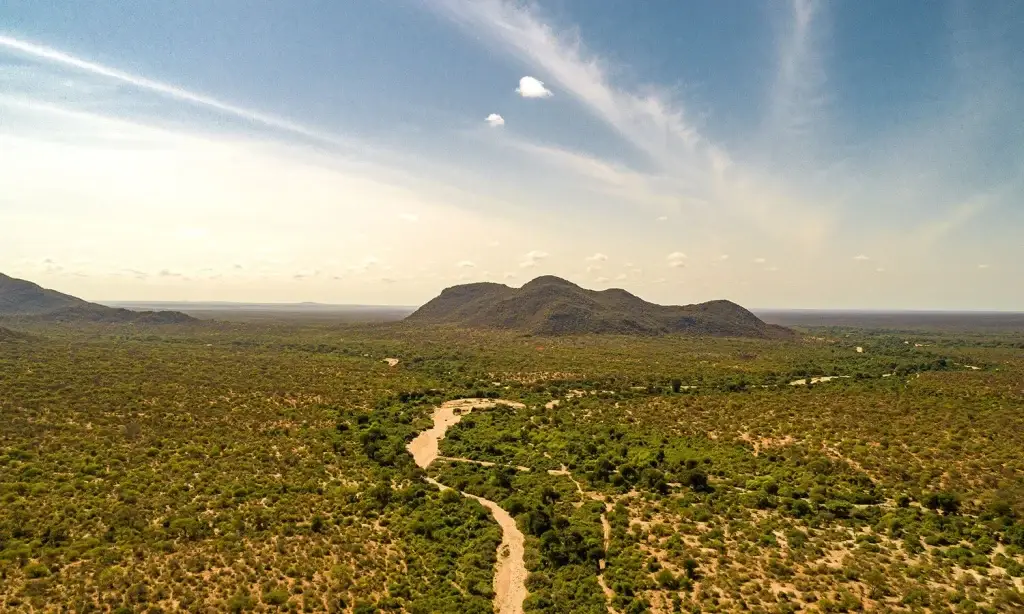
The Okavango Delta is located in north-western Botswana, Southern Africa. Travel to the Okavango Delta usually begins in Maun, the main gateway to the Delta. From Johannesburg, flights to Maun take about 2 hours, making it the easiest international gateway. Once in Maun, there are several ways to explore:
- Self-drive and road trips: There are areas near the Panhandle and Moremi Game Reserve that can be reached by 4×4. You have flexibility but need to plan fuel stops. Be prepared for rough gravel roads.
- Light aircraft transfers: Many lodges and camps in the inner Delta are only accessible by plane. These short flights are an experience in themselves, giving you aerial views of the flooded channels and islands below.
- Boat or mokoro access: Traditional dugout canoes (mokoros) are among the best and most unique ways to explore shallow channels, particularly in the heart of the Delta. You will find that some lodges include guided mokoro excursions in their packages.
- Hybrid travel: A mix of driving, flying, and water transfers lets you experience different areas without spending all your time on the road.
Practical tip: Always confirm access with your lodge or camp in advance. Okavango requires prior planning across all sectors, as seasonal flooding can affect road access. In some cases, transfer schedules depend on weather conditions.

Accommodation and safari camps options
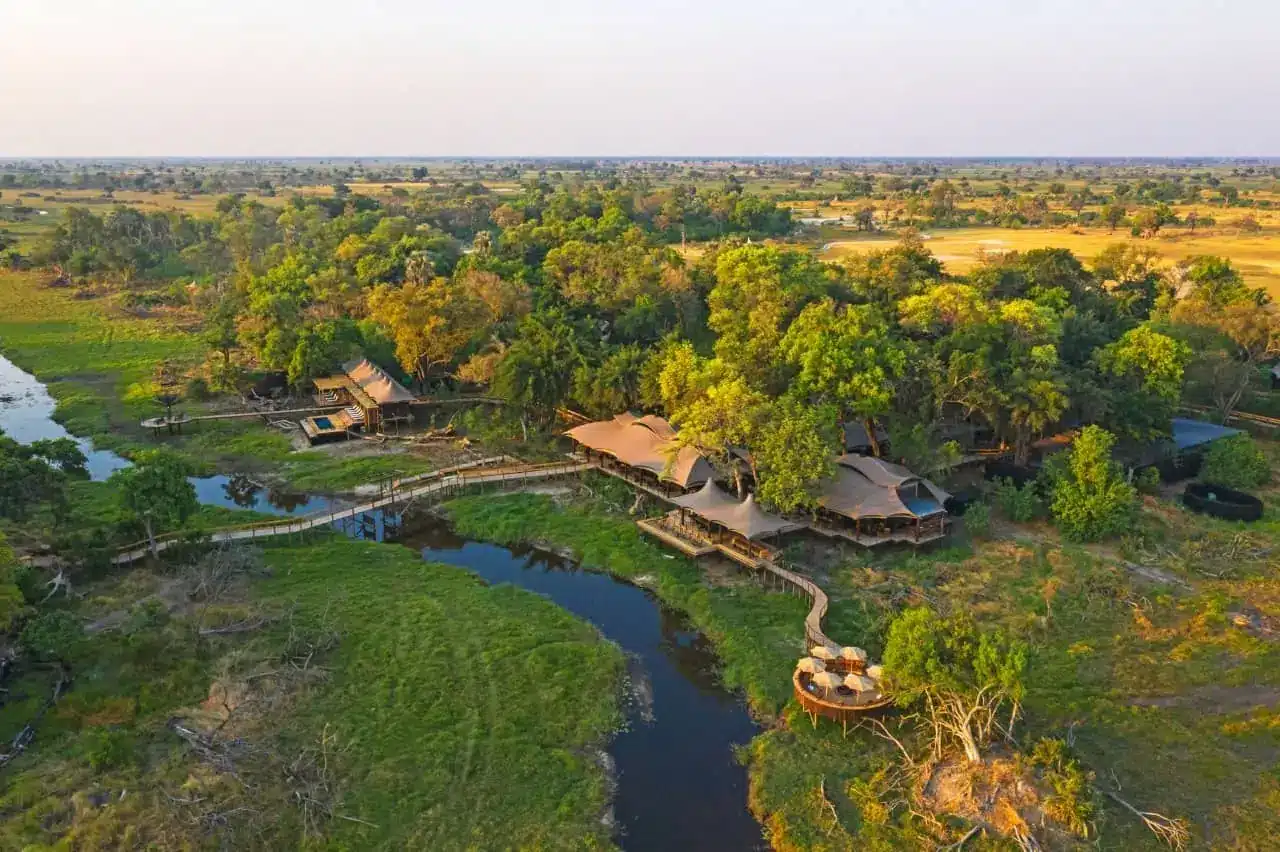
The Okavango Delta offers a variety of accommodation, ranging from luxury lodges to budget-friendly mobile camps.
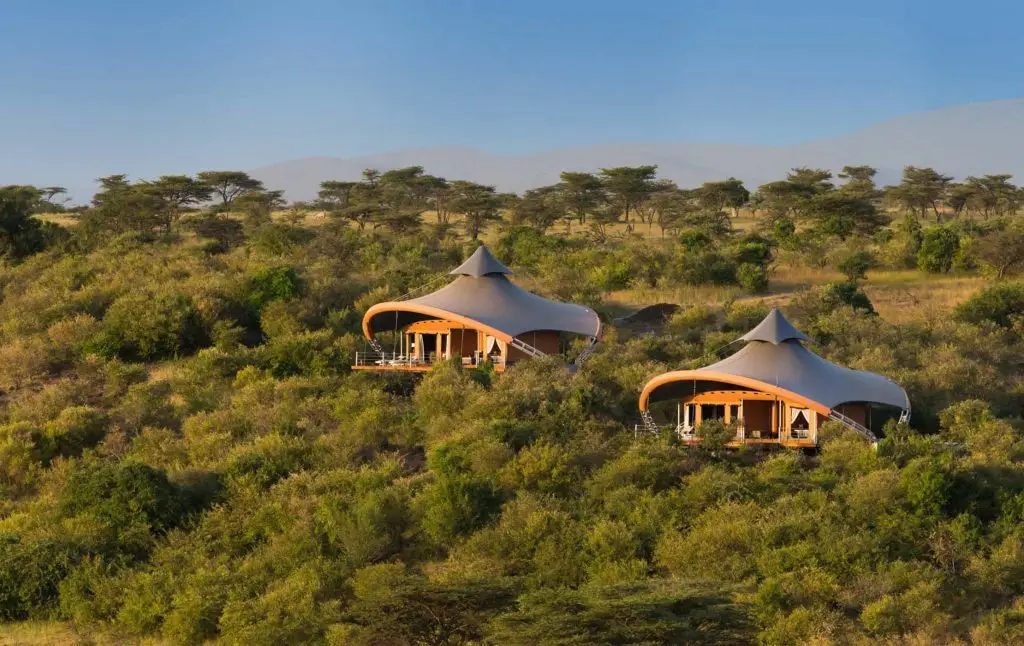
- Lodges and tented camps: Most offer game drives, mokoro excursions, and meals. Packages often cover transfers from Maun.
- Mobile camps: These move with the seasons and offer a more immersive experience at a lower cost than permanent lodges.
- Self-catering or budget stays in Maun: A cheaper option is to stay near Maun and join daily excursions. This works well for travellers looking for flexibility or who are on a tighter budget.
Costs and budgeting tips
The Okavango Delta might be on the expensive side compared to other destinations in Africa. However, if you are wondering how to visit the Okavango Delta on a budget, there are many ways to reduce costs without compromising on the experience.
- High-end lodges: These can range from $1,500 to $4,500 per night, including meals and transfers.
- Mobile and tented camps: $500–$1,200 per night.
- Budget stays near Maun: $50–$550 per night, with daily excursions separately priced.
Affordable Safari Budget Tips:
- Join small group safaris to share costs.
- Book in the shoulder season (off-peak) to avoid high rates.
- Consider staying outside the Delta and taking day trips. This is surprisingly more cost-effective.
Even on a budget, it’s possible to enjoy the main experiences, which are game drives, mokoro rides, and scenic river views, without paying luxury rates.
Luxury Safari Experiences Tips:
- Book charter flights and transfers for exclusive experiences
- Book in the shoulder season (off-peak) to avoid high rates.
- Book some of the best and most exclusive intimate safari camps and lodges
The Best experiences in Okavango are enjoyed on exclusive and luxury safaris, as you will see more, have more intimate moments with nature, and enjoy close attention and a relationship with your camp and or lodge.
Unique experiences most travellers don’t expect
You should always expect to be pleasantly surprised when you visit the Delta. Here are some of the most memorable moments awaiting you:
- Mokoro rides vs boat safaris: Mokoros feel quieter and more personal. Boat rides, on the other hand, cover more ground and are better for photography.
- Stargazing: The Delta’s remoteness means minimal light pollution. Nights are perfect for looking up at the sky and spotting the Milky Way.
- Unexpected wildlife: Expect to cross paths with the desert-adapted elephants, hippos, and birds. They often appear close to channels where you least expect them.
- Seasonal surprises: Flood patterns change every year, so the scenery and access points can feel completely different from one visit to the next. A good reason to keep coming back.
- Remote camps: Staying in mobile camps or tented sites away from permanent lodges offers an entirely different experience you won’t get in larger resorts.

Practical tips and FAQs
- How many days to plan: 3 to 5 nights is ideal for seeing wildlife, doing water-based activities, and allowing for travel time from Maun.
- Packing: Its important to know what to pack for your upcoming Okavango Delta Trip. Light clothes for the day, warm layers for early morning and evening drives. Desert weather tends to get colder at night and early morning. Remember to also pack waterproof shoes for mokoro excursions, insect repellent, and strong sun protection.
- Transfers: Confirm all flights, boats, or road trips in advance. The days to your trip are ideal. Seasonal flooding can affect schedules.
- What I wish I’d known before going on safari: Transfers take longer than expected, so prepare for that. Game drives start early in the morning. Mokoro rides are best experienced at sunrise or sunset, when the water is calmer, and wildlife is more active.
African safari destinations always offer something different to travellers, and the Okavango Delta is no exception. This is more than just a breathtaking destination. It is a living ecosystem supported by flood waters. Whether you prefer luxury lodges, budget excursions, or mobile camps, the Delta has something for everyone. The Okavango Delta travel guide above provides all the information you need before booking your trip.