Discover Okavango Delta
The Okavango Delta is located in Botswana and is considered one of the world’s largest inland deltas.
The delta covers between 6000 and 15 000 square kilometers of the Kalahari Desert in northern Botswana.
It is formed by the Okavango (Kavango) River, which flows from the Angolan highlands, across Namibia’s Caprivi Strip, and into the Kalahari Desert.
Known for its stunning landscapes and abundant wildlife, the delta offers an unmatched safari experience.
What are the Key Attractions in The Okavango Delta?
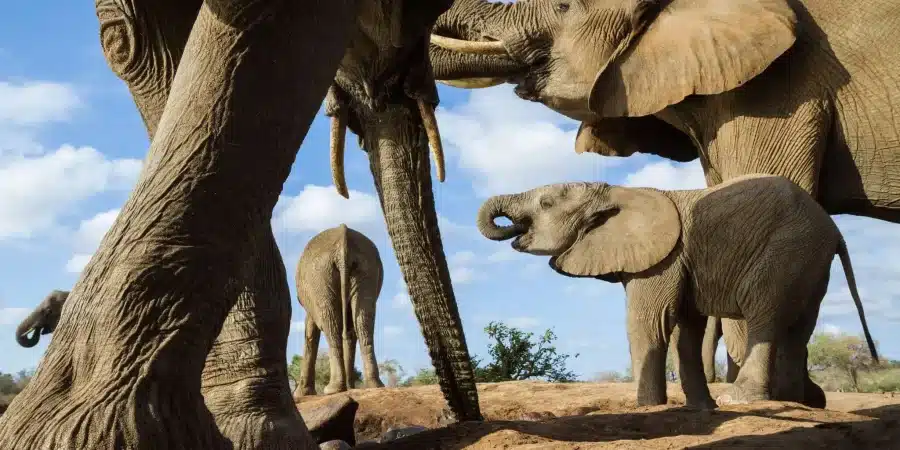
- Wildlife: Habitat for the “Big Five” (lions, leopards, rhinos, elephants, and buffaloes), hippos, giraffes, zebras, African wild dogs, and 85 types of fish, such as the tigerfish.
- Bird watching: Paradise for more than 500 different species of birds, including the African fish eagle and Pel’s fishing owl.
- Mokoro rides: Safari on a traditional African canoe called a mokoro to observe animals in their habitat.
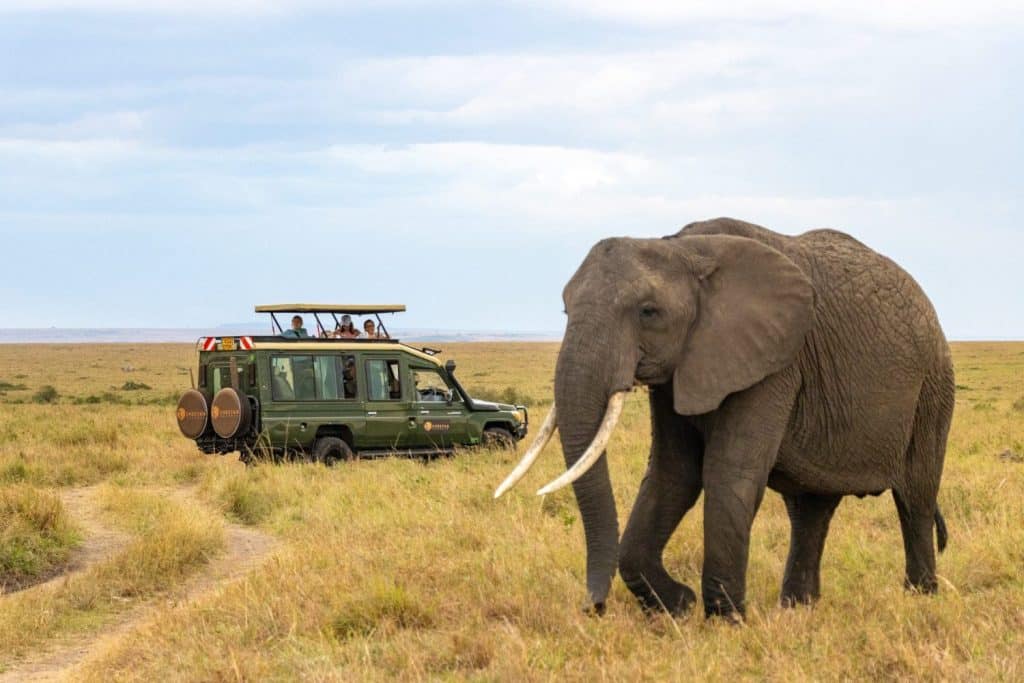
- Game drives: Daytime and nighttime game drives in open-top 4X4 Safari vehicles.
Which are the Key Protected Areas within the Okavango Delta?
Moremi Game Reserve:
- Located within the eastern part of the Okavango Delta, it is one of the most famous and accessible parts of the delta.
Okavango Community Trust Areas and Private Concessions:
- These are community-managed areas that allow for sustainable tourism and conservation.
Khwai Community Area:
- Located on the northern edge of Moremi Game Reserve, the Khwai area is managed by the local community. It is similar to Moremi Game Reserve but with the added benefit of night drives and walking safaris.
What is Okavango Delta Entry Fees?
Park Entry Fees for Okavango Delta (Moremi Game Reserve)
The Okavango Delta is not a single park but a network of reserves, including Moremi Game Reserve and private concessions.
Entry fees for Moremi Game Reserve, a major component of the Okavango Delta, are as follows:
| Category | Fee (USD) |
| International Visitors | 10 per person per day |
| SADC Residents | 5 per person per day |
| Botswana Citizens | 2.50 per person per day |
Note: Additional fees may apply for vehicle entry, guided tours, and activities like mokoro safaris or boat cruises. Fees for private concessions within the Delta can vary, and some areas may require specific permits.
What is the Best Time to Visit Okavango Delta?
Undoubtedly, the most favorable period to explore the Okavango Delta would be the dry season between June and October, when it offers the opportunity to witness the wildlife in its abundance and undertake both traditional and seasonal safaris.
June to August: It is the month when floodwaters are abundant and therefore ideal for conducting mokoro safaris amid the warmth of the day and coldness of the night.
September to October: Wildlife gets clustered around water sources, giving the chance to observe them in their abundance during the hottest period of the year, when floodwaters start receding.
April to May: With the arrival of the floodwaters, visitors can conduct both land and water safaris in comfortable climatic conditions.
November: Beginning of rains leads to higher humidity and temperature, although wildlife watching is still satisfactory.
December to March: This period is known as the green season and is characterized by lush plains where animals give birth, providing excellent birdwatching opportunities.
Low Season
December to March
This is the wet or “green season,” with regular rains transforming the Delta into a lush, vibrant landscape.
Wildlife is more dispersed, making game viewing slightly more challenging, but this period is excellent for birdwatching as migratory species arrive.
Lodges often offer discounted rates, and the scenery is stunning with dramatic thunderstorms.
High Season
April to June
The rains subside, and water levels in the Delta begin to rise as floodwaters arrive from Angola.
The area starts transitioning to its iconic flooded landscape, attracting wildlife to the floodplains.
This period offers great opportunities for water-based activities like mokoro (dugout canoe) safaris and fishing.
Peak Season
July to October
This is the dry season, and the Delta is at its most spectacular, with high water levels creating a pristine environment for mokoro safaris, boat cruises, and incredible wildlife viewing.
Animals congregate near the water, and the weather is dry and sunny.
This is the most popular time to visit, so lodges tend to be fully booked, and prices are at their highest.
How do you Get to Okavango Delta?
- By Air: The most common way to reach the Okavango Delta is by charter flights from Maun or Kasane, which are the major gateways to the delta. Maun is well-connected to international flights.
- By Road: Some lodges and camps in the delta’s periphery can be accessed by road, but most of the delta’s heart is only accessible by air or boat.
Which are the Best Places to Stay Okavango Delta?
Okavango Delta safaris offer accommodations ranging from rustic mobile bush camps to ultra-luxury lodges, which are generally categorized by their land, water, or mixed environments.
-
Luxury Safari Lodges: These premium, raised canvas-and-timber structures offer private plunge pools, gourmet dining, and high-end land and water safaris.
-
Tented Safari Camps: These permanent, canvas “glamping” setups feature comfortable beds and wooden decks for an immersive, off-the-grid wildlife experience.
-
Rustic & Adventurous Camps: These simple, back-to-nature setups feature minimal amenities and focus heavily on guided bush walks, mokoro trips, and fishing.
-
Mobile & Expedition Camping: These nomadic, fully serviced canvas camps move across different wilderness concessions to provide highly tailored wildlife tracking.
-
Mixed-Activity Bush Camps: Situated where dry land meets permanent water channels, these intimate island camps offer both morning game drives and afternoon boat safaris.
Which are the available Safari Packages to Okavango Delta?
An Okavango Delta safari is an exceptional adventure for nature enthusiasts, set deep in the heart of Botswana’s northern region.
It involves both land and boat tours to witness the largest seasonal inland river delta.
Predators and aquatic life are seen alongside luxury tent camping in the middle of the wilderness.
-
Unique Geography: This UNESCO World Heritage Site spans up to 15,000 square kilometers of sprawling lagoons, winding channels, and palm-fringed islands.
-
Water Safaris: Visitors can explore the tranquil, lily-filled waterways using traditional dugout mokoros or motorized boats.
-
Land Safaris: The drier islands and surrounding savannahs offer traditional 4×4 game drives, guided bush walks, and horseback safaris.
-
Wildlife Variety: The region is a haven for the Big Five, endangered African wild dogs, and unique aquatic antelopes.
-
Birdwatching: With up to 500 recorded species, it is a paradise for spotting rare birds like Pel’s fishing owl.
-
Exclusive Access: Most areas operate within private concessions to ensure an intimate, uncrowded, and premium safari experience.
Which Other National Parks to visit apart from Okavango Delta
Find other national parks related to Okavango Delta that you either combined your safari with or get inspired to book them later on in your next adventures. The destinations are some of the best that you can visit that are close to Okavango Delta.
Okavango Delta FAQs