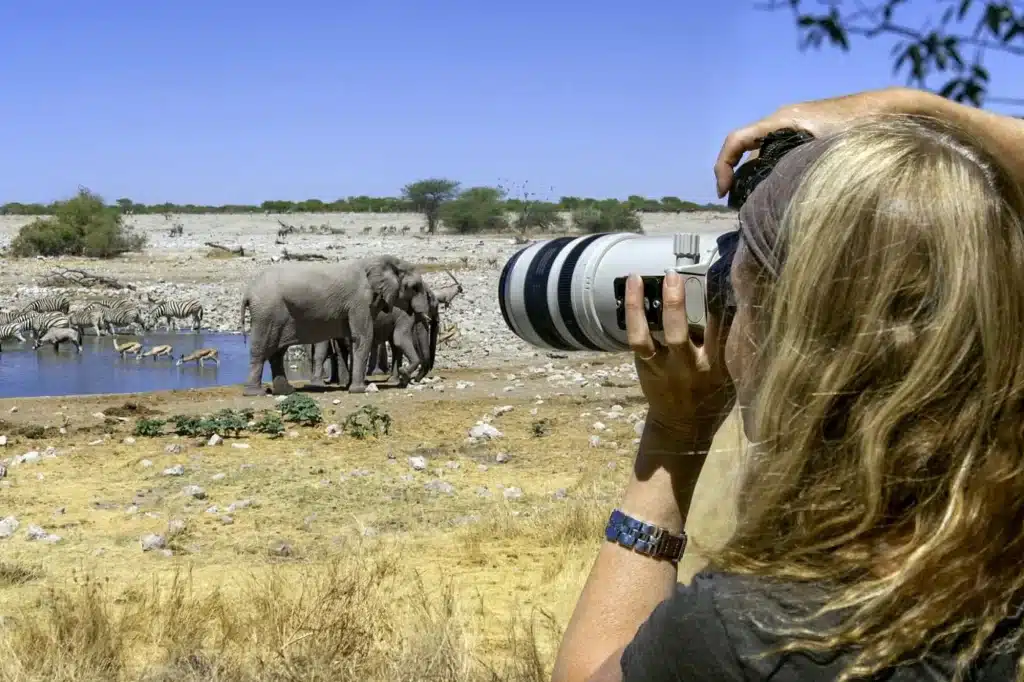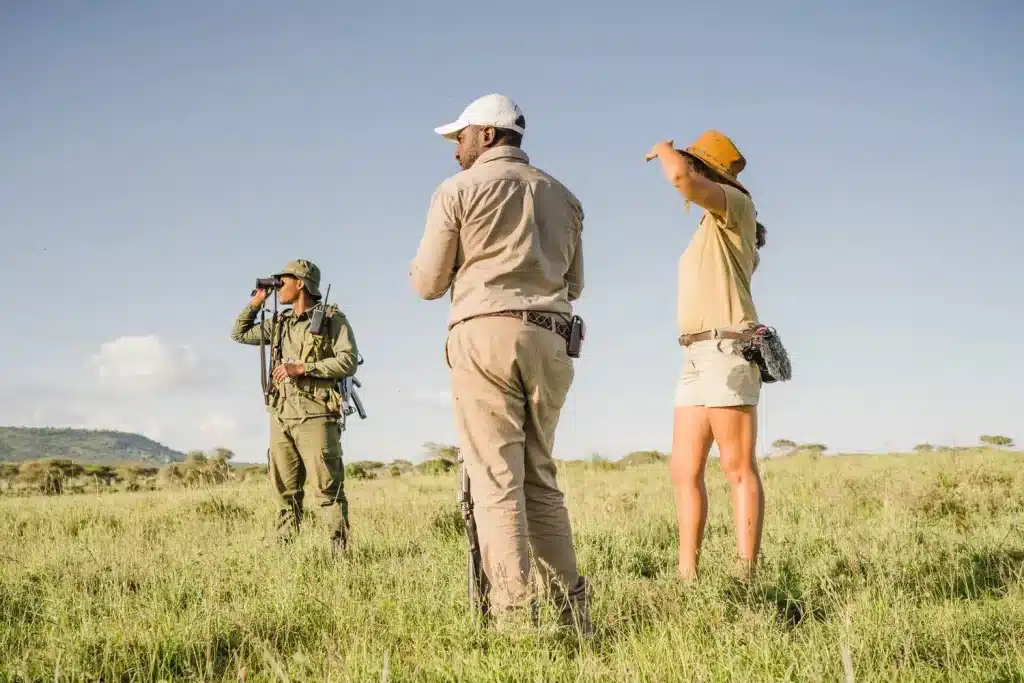
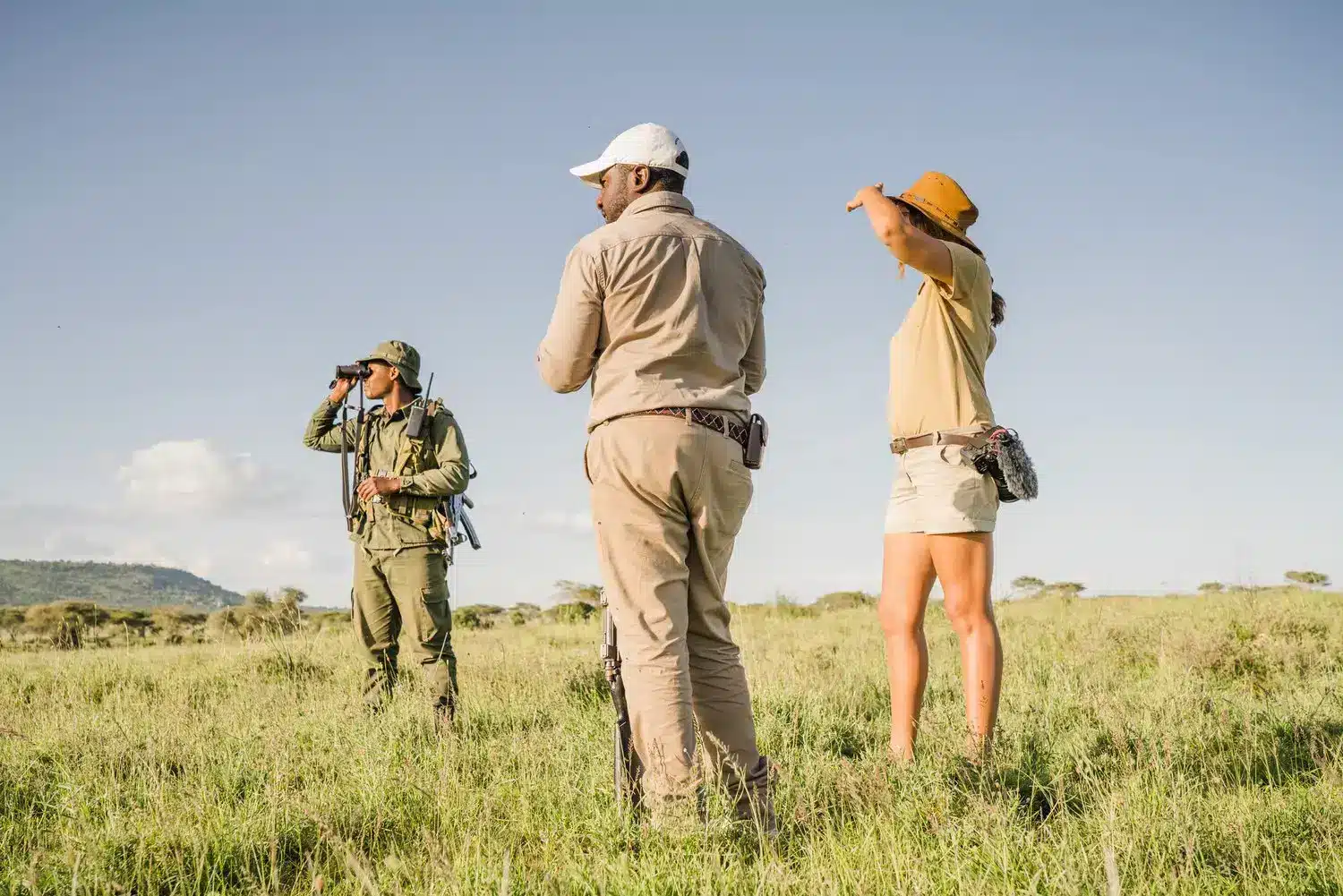
Planning your outfits matters. The right clothes keep you cool. It also protects you from dust and insects. This way, you stay comfortable and focused on wildlife.
Safari weather changes quickly throughout the day. Mornings start cold. Then, by afternoon, the heat builds up. Evenings turn cool again. Dust is common, and the sun can feel harsh. Your clothing must handle changing conditions. Below is a simple guide on what to wear on an African safari.
Top Safari Clothing Essentials Guide for Smart Packing
You spend long hours outdoors on safari. You sit in open vehicles and walk on dusty ground. The right clothing keeps you comfortable all day. Let’s look at the essentials:
1. Light Layers
Safari weather shifts during the day. Early mornings are cold. By afternoon, the heat can feel strong.
- Pack light shirts
- Carry a light jacket
- Wear long sleeves
- Choose easy layers
Game drives often start before sunrise. The wind makes it feel colder. By midday, you can remove layers. This also helps you stay comfortable without carrying heavy clothing.
2. Comfortable Safari Pants and Shorts
You sit for long hours. You may also walk during guided tours. So, your pants should allow easy movement.
Wear light cargo pants. They feel loose and have useful pockets. Zip-off pants are also practical. You can turn them into shorts when it gets hot.
Avoid tight jeans. They trap heat and dry slowly. Shorts also work in the afternoon. Long pants are better in the bush. They protect your legs from insects.
Quick-dry fabric makes cleaning easier. Dust comes off fast. When choosing what to wear on African safari trips, comfort should guide every choice.

3. Footwear That Handles Dust and Rough Ground
The safari ground is uneven and dusty. You walk on dirt and dry grass. In such a scenario, good footwear protects your feet.
- Wear closed shoes
- Choose light hiking shoes
- Pack socks
- Avoid sandals
Dust builds up quickly. The ground can feel rough under your feet. So, comfortable shoes are vital.
4. Accessories for Sun Protection
The sun feels strong during the day. You need proper protection. Wear a wide-brimmed hat. It can covers your face. You can try a cap. But, it gives less shade.
Sunglasses protect your eyes from glare. Polarized lenses help on bright days. But make sure they fit well, as roads can be bumpy.
You may sit in an open vehicle for hours. Sun exposure adds up. So, protect your skin daily.
When packing what to wear on African safari tours, never skip sun protection.

5. Jackets for Winter Safari (June to August)
Winter mornings can feel very cold. Sometimes below 10°C before sunrise. Open vehicles can make the wind feel stronger.
- Pack a warm fleece jacket
- Bring a neck cover
- Wear gloves for early drives
- Choose removable layers
As the sun rises, it gets warmer. You can remove layers later in the day. Remember, focus on warmth in the morning and comfort in the afternoon.
6. Summer Safari Clothing (November to March)
Summer brings short rain showers in many regions. But afternoons can feel very hot.
Wear loose clothes with light colors. They reflect heat better than dark shades.
Carry a thin rain jacket. It should fold easily into your bag.
Also, humidity may rise, and breathable fabric helps you stay dry. Avoid thick cotton that stays wet. Insects are more active in summer. So, you must wear long sleeves. Summer weather changes what to wear on African safari trips. Focus on light fabric and full coverage.
7. Things You Must Avoid
Your clothing affects your comfort. Some items attract insects or wildlife. So, keep your outfits simple. Avoid:
- Bright red, or neon colors
- Strong perfumes
- Expensive jewelry
- Noisy fabrics
Bright colors draw attention. White clothes show dust quickly. Choose quiet and practical clothing when deciding what to wear on African safari tours.
8. Essential Accessories
Small items can improve your comfort during long drives. For instance, a light scarf protects you from dust. Also, make sure your camera strap feels comfortable. You may wear it for hours.
Pack smart. Every item should serve a purpose. When you book with Cheetah Safari, you often receive simple packing advice. Use that advice to refine your list.
9. Safari Clothing for Children
Children feel temperature changes faster than adults. Safari mornings are cold. Afternoons are warm. Simple clothing keeps them comfortable.
- Dress kids in layers
- Use closed shoes
- Give them wide-brim hats
- Avoid bright prints
Neutral clothes are easy to manage. They also attract fewer insects. So, focus on comfort and protection when choosing what to wear.

10. Packing Tips
Many safari lodges offer laundry service. So, you can pack fewer clothes and repeat outfits.
Choose pieces that match easily with each other. Neutral colors make this simple.
Roll your clothes instead of folding them. This saves space in your bag. Carry a small bag for dirty clothes. Keep your packing simple when planning what to wear on African safari trips. A few practical outfits work better than a heavy suitcase.
Conclusion
Choosing what to wear on African safari trips can be simple. Focus on comfort, and simple colors. Wear light layers. Also, choose breathable fabric. Protect yourself from the sun and insects. Dress in layers for cold mornings. Wear light colors in warm afternoons.
Your clothes should make you comfortable. So, pack smart and stay practical. Also, check with Cheetah Safari for packing advice before your trip.