


- Entry requirements and visas for a Kenya Safari
- Health, vaccinations, and travel insurance
- Currency and payments in Kenya
- Getting to Kenya and international airports
- Best destinations to visit in Kenya
- Language and communication
- Getting around Kenya
- Weather and the best time to visit Kenya for Safaris
- Safety and general travel tips
Kenya is one of the most iconic travel destinations in Africa. It offers rich diversity like vast savannahs, abundant wildlife, white sandy beaches, vibrant cities, and mountain landscapes. For lots of travelers, Kenya is their first introduction to East Africa.
If you are visiting Kenya for the first time, adequate preparation will make your travels easy. Understanding entry requirements, health considerations, transport, currency, weather, and local customs will make your trip smooth and enjoyable.
Below are essential things to know before visiting Kenya.
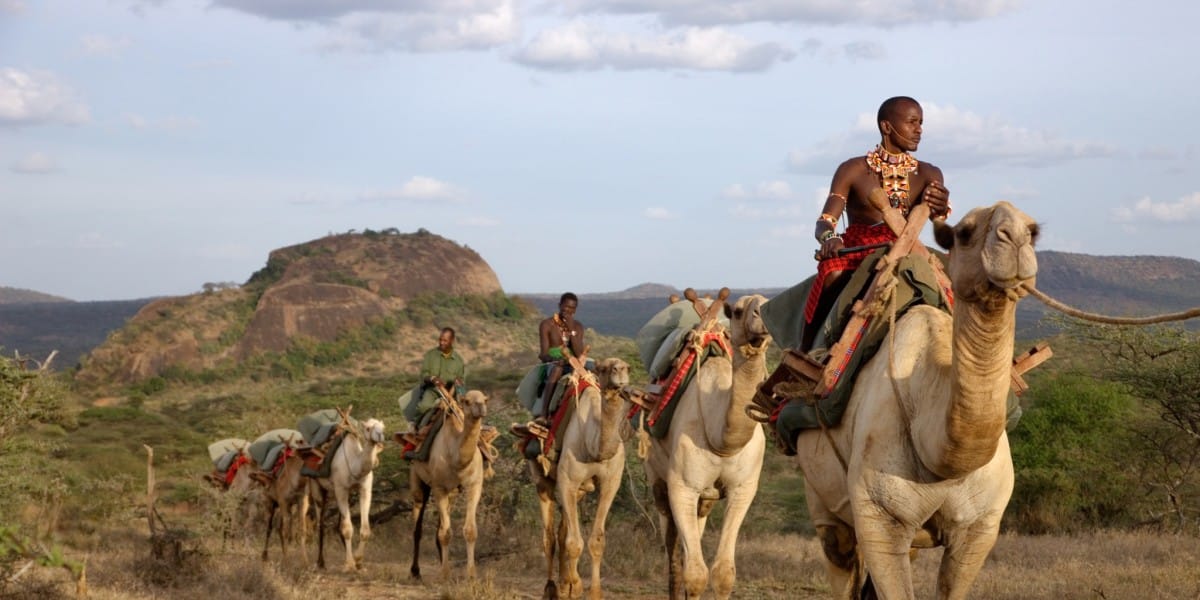
Entry requirements and visas for a Kenya Safari
Before traveling, check the latest Kenya visa requirements for your nationality. Entry regulations may change, so confirm details through official government sources.
Kenya eVisa
Kenya operates an online visa system referred to as the Kenya eVisa. Travelers apply electronically before departure by submitting personal information, travel details, and the required documentation. Once approved, the visa confirmation is issued digitally.
It is recommended to apply for the eVisa at least a week before travel, even though processing is often faster.
Passport validity
Ensure your passport is valid for at least six months from your date of entry into Kenya. Make sure it has sufficient blank pages for immigration stamps. Early verification of these details is a vital part of any travel checklist.

Health, vaccinations, and travel insurance
Preparing for health matters is crucial when traveling to Kenya, especially for first-time visitors. At Cheetah Safaris, we have outlined some of the most important health guidelines and recommendations that our guests should follow while on safari in Kenya. This includes all our partners and suppliers who handle and take care of our guests in case of any emergencies.
Recommended vaccinations before planning a Kenya Safari
Consult your healthcare provider or visit a travel clinic before your departure. Commonly recommended vaccinations for Kenya may include:
- Typhoid
- Hepatitis A and B
- Polio
Medical advice may vary depending on where you live and your travel plans.
Yellow fever considerations
You might need a yellow fever vaccination certificate if you arrive from or transit through a country where yellow fever is present. Sometimes, it’s recommended even if it’s not mandatory. Always verify current requirements before leaving.
Malaria prevention
There is a risk of malaria in certain areas of Kenya, especially in lower-altitude regions. Preventative medication may be suggested depending on your travel route. Additional precautions include:
- Using insect repellent
- Wearing long sleeves in the evening
- Sleeping under mosquito nets when available
Travel insurance
Having comprehensive travel insurance is highly recommended. Coverage should include:
- Medical treatment
- Emergency evacuation
- Trip cancellation
- Personal belongings
For travelers visiting remote safari areas, evacuation coverage is especially important.

Currency and payments in Kenya
The official currency is the Kenyan shilling.
Using cash and exchanging money while on safari
You can exchange foreign currency at banks, exchange bureaus, and airports. It’s useful to carry small amounts in small denominations of local currency for taxis, tips, markets, and small purchases.
Credit cards usage in Kenya
Credit cards are accepted in major cities, established hotels, and many safari lodges. However, smaller camps and rural businesses may not take cards or may charge extra fees. Carrying some cash is wise, especially when traveling outside major urban areas.
Notes and denominations
When bringing foreign currency, make sure the banknotes are in good condition and relatively new. Some older or damaged notes may not be accepted for exchange.

Getting to Kenya and international airports
Kenya has several international airports, and most long-haul travelers arrive through:
- Jomo Kenyatta International Airport in Nairobi
- Moi International Airport in Mombasa
- Kisumu International Airport
Nairobi is the main gateway for safari travelers. After you arrive, proceed through immigration, collect your baggage, and clear customs. If you need to catch a domestic flight, allow enough time between your international and domestic connections. Domestic flights are a common way to reach safari destinations quickly.
Best destinations to visit in Kenya
Kenya is a country of enormous diversity, where you can go from the snowy peaks of mountains to tropical white-sand beaches in the same day. Although the Kenya National Parks that are generally well-known are those associated with the Big Five of Kenyan tourism, there is another side of Kenya, too.
Safari destinations
Some of the most popular safari areas include:
- Masai Mara
- Amboseli
- Tsavo
- Samburu
- Lake Nakuru
Masai Mara National Reserve
The Masai Mara is the jewel in the crown of Kenyan wildlife, renowned for its golden savannahs and the Great Migration. It is one of the only places in the world where you can see the Big Five in one afternoon, all while the colorful Maasai warriors preserve their ancient ways on the periphery of the reserve.
Whether you are watching a wildebeest river crossing or taking a hot air balloon ride over the reserve, the Mara is an experience of life and survival that is like stepping into a nature documentary.
Amboseli National Park
If you are searching for the ultimate postcard shot of Africa, then Amboseli is the place to find it. Dubbed the Land of Giants, this is where you will find some of the largest tusked elephants on the continent, often spotted grazing against the stunning, snow-capped peak of Mount Kilimanjaro.
The stark contrast between the dry, dusty plains and the lush green swamps that are sustained by the runoff from Mount Kilimanjaro’s snow creates a fascinating landscape that is home to hippos, buffalo, and a remarkable variety of bird species, all under the watchful gaze of Africa’s highest peak.
Tsavo East and West National Parks
Tsavo is divided into East and West, and it is a huge, very rugged area of land that promises a feeling of isolation and primeval mystery.
While Tsavo East National Park is renowned for its red elephants, which get their color from the red volcanic soil of the area, as well as the seemingly endless Yatta Plateau, Tsavo West National Park is more dramatic, with its natural springs and jagged lava flows.
It is a destination for the true adventurer, where the legend of the Man-Eaters of Tsavo is still very much in the atmosphere, and the sheer size of the park will remind you of the true wildness of the Kenyan bush.
Samburu National Reserve
In the dry north, Samburu National Reserve is a beautifully contrasting destination that is light-years away from the southern plains.
The Ewaso Ng’iro River is the lifeline in this region and draws its own set of special animals known as the Samburu Special Five, which include the reticulated giraffe and the blue-necked Somali ostrich, to name a few.
The doum palms, the hills, and the colorful Samburu culture make this a peaceful, out-of-the-way destination for the more adventurous safari enthusiast.
Lake Nakuru National Park
Lake Nakuru National Park is a sparkling haven in the Great Rift Valley, famous for its stunning bird populations and its achievements as a haven for endangered species.
Although the pink edge of flamingos changes with the water levels, Lake Nakuru National Park is one of the best spots in East Africa to view both black and white rhinos in their natural habitat.
The woodlands and rocky outcrops of the area create a small but varied environment in which leopards can be found resting in fever trees, making it a crucial destination for anyone interested in seeing conservation in action.
Each region has its unique landscapes and wildlife.

Coastal regions
Kenya’s coastline along the Indian Ocean features areas like Diani, Watamu, and Malindi. These spots offer beaches, marine parks, and historical sites.
Lamu Island
Arriving in Lamu Island is akin to walking into a living museum where the 14th century is more present than the 21st. As a UNESCO World Heritage site, Lamu Town is the oldest and most preserved Swahili town in East Africa, known for its elaborate hand-carved wooden doors and winding stone alleys.
The only sounds that break the coastal breeze are the clip-clop of donkeys and the call to prayer, since there are no cars on the island. But aside from its rich history, the nearby village of Shela boasts miles of untouched peanut butter dunes and the opportunity to sail into the sunset on a wooden dhow, making it the ultimate destination for those seeking “pole pole” (slowly) living.
Diani Beach
One of the best beaches in Africa, Diani Beach is a 25km long strip of pure white sand and electric blue water. It is the perfect blend of tropical bliss and extreme adventure, where you can spend your morning skydiving over the coastline or kitesurfing the trade winds, and then retire to a luxury beach villa for a seafood dinner.
The beach is lined with ancient baobabs and forests that are home to the Colobus monkey, while the coral reefs just off the shore are a haven for sea turtles and migrating whale sharks.
The vibrant nightlife, excellent cuisine, and proximity to the Shimba Hills National Reserve make Diani the perfect base for the adventurous traveler who wants a little bit of everything.

Choosing based on trip length
If your visit to Kenya is shorter, focusing on one or two regions can lead to a more relaxed experience. Longer trips allow for visiting multiple safari destinations or spending time on the coast.
Language and communication
Kenya’s official languages are English and Swahili. English is widely spoken in hotels, airports, safari lodges, and urban areas. Learning a few simple Swahili phrases is appreciated and can improve interactions with local communities. Mobile phone coverage is generally good in cities and towns, though it may be limited in remote safari areas.
Getting around Kenya
There are several options when traveling within Kenya.
Domestic flights
Domestic flights offer a quick and efficient way to travel between Nairobi and safari destinations. They are often included in safari plans.
Road travel
Traveling by road offers flexibility and scenic views, but it may be longer depending on the distance and road conditions. Some routes may be slower during rainy seasons. Organized transfers or guided transport are usually the most practical choices for first-time visitors.

Weather and the best time to visit Kenya for Safaris
Understanding the climate is important for your trip planning. Kenya has dry and rainy seasons. The dry seasons are often regarded as the best time to visit Kenya for Safari and for viewing wildlife, as animals gather around water sources and vegetation is less dense.
The rainy seasons bring greener landscapes and fewer crowds. You can still see wildlife year-round, but road conditions and scenery will vary by season. When to travel depends on what you prioritize, whether that’s peak wildlife sightings, photography, or quieter experiences.
Cultural awareness and local etiquette
Kenya is culturally diverse, with multiple ethnic groups and traditions.
Respectful behavior
It’s advisable to dress modestly in rural areas and when visiting religious sites. Always ask permission before taking photos of individuals.
Interacting with communities
Respect local customs, and when you can, support local businesses. Responsible travel helps foster positive cultural exchanges.

Safety and general travel tips
Many travelers wonder, “Is Kenya safe to visit?” Kenya is a popular spot for international tourism. As with any travel, using common sense is important. Practical safety advice includes:
- Avoid showing valuables openly
- Use reputable transport services
- Follow local authorities’ and tour providers’ advice
- Keep copies of important documents
Being aware of your surroundings and preparing ahead will improve your experience.
Preparation is key to a successful trip. Checking entry requirements, arranging health precautions, organizing insurance, and understanding seasonal patterns will help you travel with confidence.
For first-time visitors, Kenya offers amazing wildlife, friendly communities, and varied landscapes. Thoughtful planning can make your trip both seamless and unforgettable. With the right preparation, your journey to Kenya can be as rewarding as the destination itself.