
Tanzania Safaris: Luxury & Tailor-Made Safari Tours
Local safari expertise | Tailor-made itineraries | Private safari options | East Africa specialists
Private Tanzania safari journeys designed around your dates, interests and budget. Explore the Serengeti, Ngorongoro Crater, Tarangire and Ruaha, follow the Great Migration, and combine your safari with Zanzibar.
Cheetah Safaris is a locally owned East African safari DMC specialising in tailor-made journeys across Kenya and Tanzania. Our Tanzania specialists can help you choose the right parks, camps, routing and season for the experience you want.
Tanzania Safari at a Glance
Tanzania is one of Africa’s strongest destinations for a first safari, a Great Migration journey or a longer private wildlife adventure. The right itinerary depends heavily on your travel dates and what you most want to experience.
| If you want… | We recommend… |
|---|---|
| Your first Tanzania safari | Tarangire, Ngorongoro and Serengeti |
| The Great Migration calving season | Southern Serengeti and Ndutu, usually January to March |
| Possible Mara River crossings | Northern Serengeti, usually around July to October |
| Big cats | Serengeti |
| Elephants and baobabs | Tarangire |
| Concentrated wildlife | Ngorongoro Crater |
| A quieter, remote safari | Ruaha |
| River and wildlife experiences | Nyerere National Park |
| Chimpanzee tracking | Mahale or Gombe |
| Safari and beach | Serengeti and Zanzibar |
| A romantic safari | Private Serengeti safari with a Zanzibar extension |
| A family safari | Private Northern Tanzania itinerary with carefully selected camps |
Important: Wildlife and migration movements are seasonal and unpredictable. No responsible safari operator can guarantee a particular animal sighting or river crossing on a specific date.
Why Choose Tanzania for a Safari?
discover Tanzania Luxury safaris and what you need to know
Tanzania offers an unusual combination of wildlife scale, diverse ecosystems and different safari styles within one country.
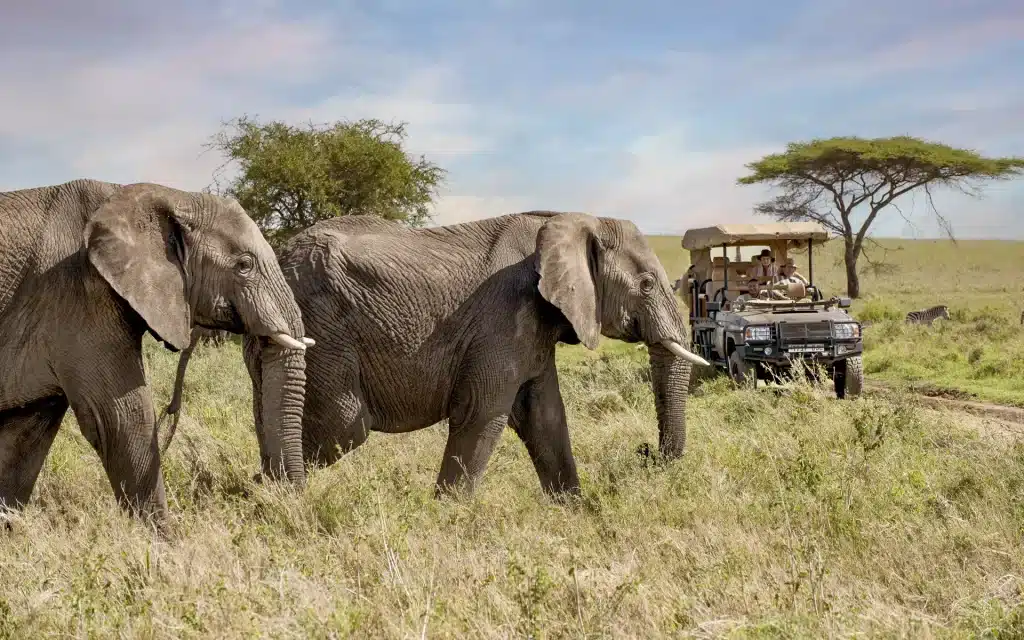
The Serengeti is the centrepiece for many travellers, with vast plains, resident wildlife and the annual movement of wildebeest, zebra and other grazing animals. Ngorongoro offers a very different experience, with a high concentration of wildlife within the crater. Tarangire is known for elephants, baobab landscapes and seasonal wildlife concentrations.
Further south, Ruaha and Nyerere offer a more remote style of safari, often with fewer vehicles and a stronger sense of wilderness. In western Tanzania, Mahale and Gombe provide opportunities to experience chimpanzees in forest environments.
Tanzania also works exceptionally well as part of a wider East African journey. You can combine a safari with Mount Kilimanjaro, cultural experiences or several days on the beaches of Zanzibar.
The question is not simply whether Tanzania is a good safari destination. It is.
The more useful question is:
Which part of Tanzania is right for you, and when should you go?
That is where our safari specialists can help.
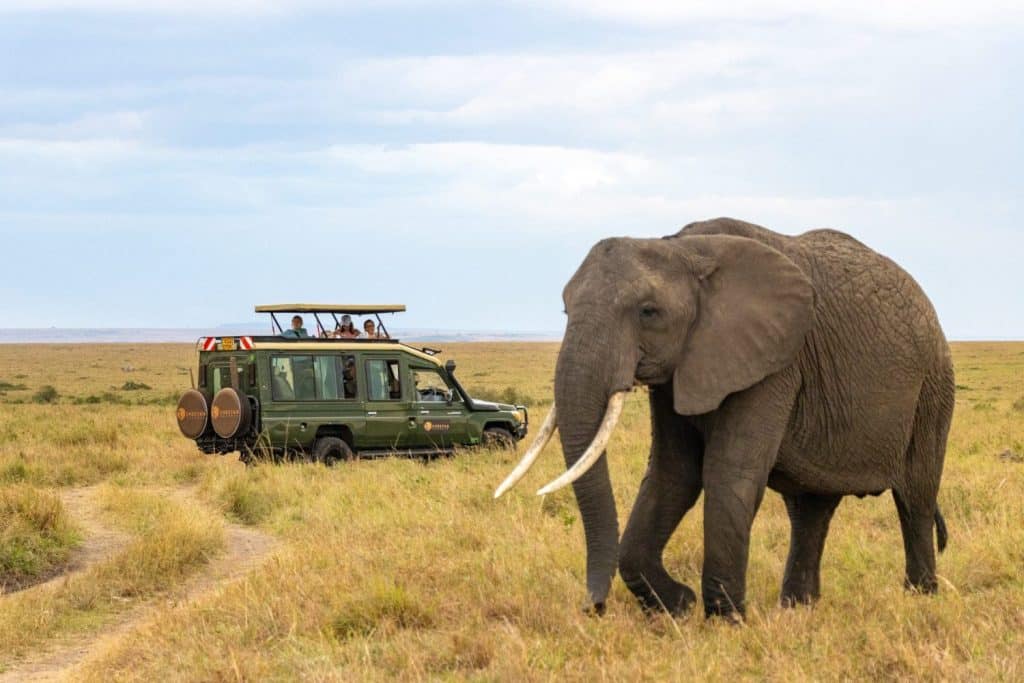
Looking For a Safari in Africa?
Explore our collection of over 70 luxury African safaris. You can also contact us to design a bespoke, tailor-made adventure just for you.
Where Should You Go on a Tanzania Safari?
Which are the Best Safari Destinations in Tanzania
Tanzania is much more than the Serengeti and Ngorongoro Crater. Different regions offer different wildlife, landscapes, activities and levels of remoteness.
Serengeti National Park
Best for: Great Migration, big cats, classic African landscapes and first-time safari travellers.
The Serengeti is Tanzania’s flagship safari destination and one of Africa’s most important wildlife ecosystems. Its enormous plains support large populations of wildebeest, zebra, gazelle, lion, cheetah, leopard, elephant and many other species.
The migration moves through different parts of the Serengeti ecosystem during the year. This means your accommodation and safari route should be chosen according to your travel dates rather than simply selecting “the Serengeti.”
Ideal stay: 3 to 5 nights
Ngorongoro Crater
Best for: Concentrated wildlife, first-time visitors and seeing a remarkable variety of species in a compact area.
The Ngorongoro Crater is a spectacular volcanic landscape and an important wildlife area within the Ngorongoro Conservation Area.
A crater visit can be an excellent addition to a Northern Tanzania safari, particularly when combined with Tarangire and the Serengeti.
Ideal stay: 1 to 2 nights in the surrounding area
Tarangire National Park
Best for: Elephants, baobabs, seasonal wildlife and a relaxed start to a Northern Circuit safari.
Tarangire is often overlooked in favour of the Serengeti, but it can be an excellent addition to a Tanzania itinerary. Large elephant herds, distinctive baobab trees and seasonal concentrations of wildlife create a very different landscape from the open Serengeti plains.
Ideal stay: 1 to 2 nights
Ruaha National Park
Best for: Remote wilderness, elephants, predators and travellers looking beyond the classic Northern Circuit.
Ruaha offers a very different Tanzania safari experience. The landscape is varied, wildlife can be excellent and the park is particularly appealing to travellers who value wilderness and fewer vehicles over ticking off the most famous destinations.
Ideal stay: 3 to 4 nights
Nyerere National Park
Best for: Southern Tanzania, river experiences and a more adventurous safari style.
Nyerere, formerly associated with the Selous ecosystem, combines traditional game drives with opportunities for water-based wildlife experiences in suitable areas.
It can work particularly well as part of a Southern Tanzania itinerary.
Mahale Mountains National Park
Best for: Chimpanzee tracking and remote wilderness.
Mahale is one of Tanzania’s most distinctive safari destinations. Forested mountains meet the shores of Lake Tanganyika, creating a setting very different from the savannah parks of northern Tanzania.
Access generally requires more planning than a conventional Northern Circuit safari, but the experience can be exceptional for travellers looking for something different.
Gombe National Park
Best for: Chimpanzee tracking and forest exploration.
Gombe is closely associated with chimpanzee research and provides a very different wildlife experience from the open landscapes of the Serengeti.
It is particularly interesting for travellers who want primates and forest ecosystems to be part of their Tanzania journey.
Zanzibar
Best for: A beach extension after safari.
A Tanzania safari and Zanzibar combination allows you to finish a wildlife journey on the Indian Ocean.
Spend several days in the bush before moving to Zanzibar for beaches, swimming, diving, snorkelling, culture and relaxation.
Northern Tanzania or Southern Tanzania?
There is no universally better circuit. The right choice depends on what you want from your safari.
| Northern Tanzania | Southern Tanzania | |
|---|---|---|
| Main destinations | Serengeti, Ngorongoro, Tarangire | Ruaha, Nyerere |
| Best for | First safari and Great Migration | Remote wilderness |
| Great Migration | Yes | No |
| Big cats | Excellent | Excellent in suitable areas |
| Elephant viewing | Excellent | Excellent |
| Vehicle density | Higher in popular areas | Often lower |
| Access | Arusha, road and scheduled flights | Mainly flights |
| Safari style | Classic Tanzania | More remote and adventurous |
| Ideal for | First-time visitors, families, migration travellers | Repeat safari travellers, couples, wilderness enthusiasts |
Our advice
If this is your first Tanzania safari: start with the Northern Circuit.
If you have already experienced the Serengeti: consider Ruaha or Nyerere for a different perspective.
If you want the Great Migration: your dates should determine the region.
If you want fewer vehicles: look closely at Southern Tanzania.
Tanzania safari map
Tanzania National Parks Map
Tanzania covers about 947,303 km² in East Africa and holds 22 national parks managed by TANAPA. Explore each park in detail on our Tanzania National Parks page.
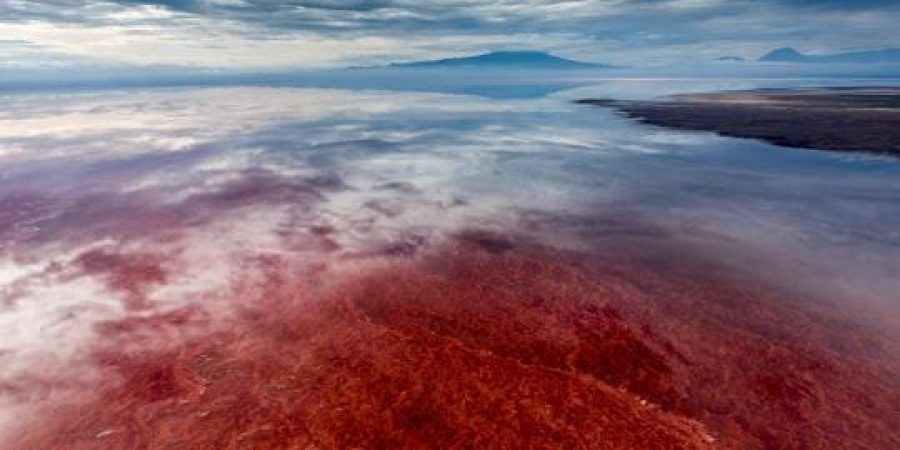
Lake Natron Conservation Area is located in nothern Tanzania near the Kenyan border and to the...
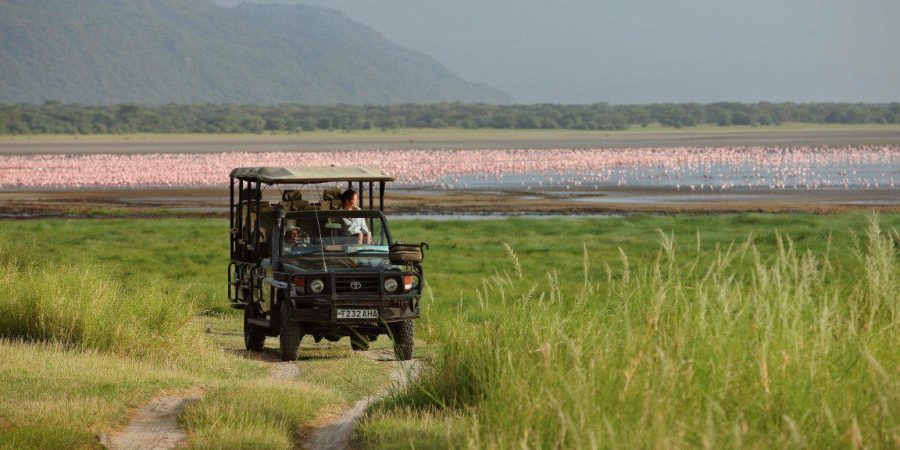
Have you booked a trip to Tanzania? Then make sure you don’t miss out on Lake...

The Mkomazi National Park is a magnificent, 3,245 square kilometer national park in northern Tanzania. Remote...

The sheer number of games in Katavi National Park is staggering. In particular, the elephant and...

Being Part of the Eastern Arc Mountains, Udzungwa National Park is home to a fascinating diversity...
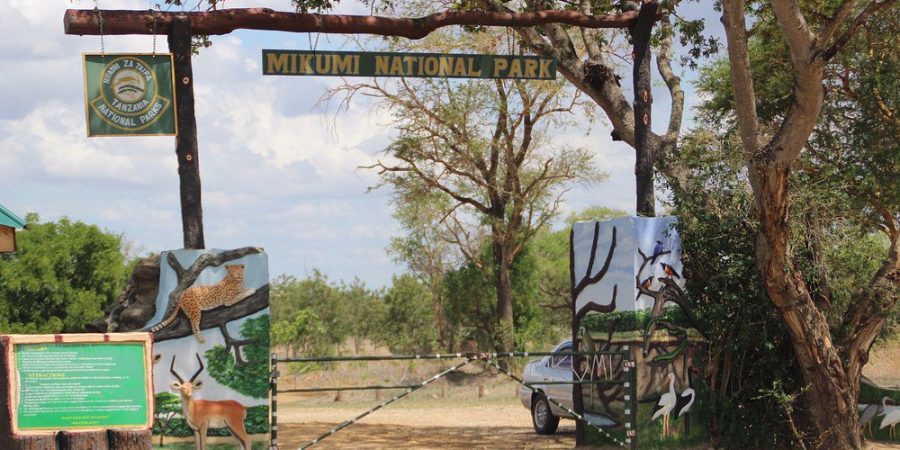
Mikumi National Park is the fourth largest park in Tanzania, covering an area of 3,230 sq...
The Great Migration in Tanzania
The Great Migration is not a single event that happens in one place at one time.
Large herds move through the Serengeti ecosystem throughout the year in response to rainfall, fresh grass and water. Different periods offer different experiences.
| Approximate period | Where to focus | What you may experience |
|---|---|---|
| January to March | Southern Serengeti and Ndutu | Calving, newborn wildebeest and intense predator activity |
| April to May | Central and Western Serengeti | Green landscapes and herd movement |
| June to July | Western and Northern Serengeti | Migration movement and possible river activity |
| July to October | Northern Serengeti | Potential Mara River crossings |
| November to December | Serengeti moving south | Green landscapes and return towards the southern plains |
When should you book a migration safari?
If the migration is your primary reason for visiting Tanzania, tell us your travel dates before choosing your camps.
We can then consider where the herds are most likely to be and whether your itinerary should focus on southern, central, western or northern Serengeti.
River crossings are never guaranteed.
The migration is a natural process and its timing changes from year to year.
When Is the Best Time to Visit Tanzania?
When to Visit Tanzania - Best Time for Luxury Tanzania Safaris
There is no single best month for every Tanzania safari.
The best time depends on whether your priority is wildlife viewing, the Great Migration, calving, photography, fewer visitors, lower prices or a particular park.
| Months | Best for | Crowds | Typical pricing |
|---|---|---|---|
| January to March | Calving, predators, southern Serengeti | Medium to high | Higher |
| April to May | Green landscapes, photography, value | Lower | Lower |
| June to July | Dry-season safari and migration movement | Medium | Higher |
| August to October | Northern Serengeti and possible river crossings | High | Highest |
| November to December | Green landscapes and migration moving south | Medium | Moderate to high |
January to March
The southern Serengeti and Ndutu region can be particularly rewarding during calving season. Large numbers of young animals attract predators, making this an excellent period for travellers interested in predator behaviour and photography.
April to May
The long rains bring greener landscapes and can provide excellent photographic conditions. Visitor numbers are generally lower and some safari properties offer better value.
Rain can affect road conditions, so route and camp selection matter.
June to July
The landscape becomes drier and wildlife viewing generally becomes easier. The migration is moving through the Serengeti ecosystem, although the exact location depends on conditions each year.
August to October
This is a popular period for northern Serengeti safaris and possible Mara River crossings. It is also one of the busiest and most expensive periods.
November to December
Short rains can bring fresh green growth, while the migration begins moving towards the southern Serengeti.
Read Our Tanzania Safari Calendar
How Many Days Do You Need for a Tanzania Safari?
The ideal safari length depends on how many parks you want to visit and whether you are flying between destinations.
3 to 4 days
Best for a short introduction to Northern Tanzania.
A compact itinerary can focus on Tarangire, Ngorongoro and a short Serengeti experience.
5 to 7 days
A strong option for a first Tanzania safari.
You can combine Tarangire, Ngorongoro and several nights in the Serengeti without trying to cover too much ground.
8 to 10 days
Allows a slower safari with more time in the Serengeti or the addition of another destination.
10 to 14 days
Ideal for a more comprehensive Tanzania journey, or for combining safari with Zanzibar.
14 days or more
Consider Northern and Southern Tanzania, Kilimanjaro, Zanzibar or a combination of Tanzania and Kenya.
Our advice
Spend more nights in fewer places rather than rushing through every famous park.
Safari quality is influenced by time in the wilderness, not the number of destinations listed on your itinerary.
Tanzania Safaris Seasonal Guide
Best Weather Guide to plan your Tanzania Safari. We have listed them according to months and major destinations in Tanzania.
| Season | January | February | March | April | May | June | July | August | September | October | November | December |
|---|---|---|---|---|---|---|---|---|---|---|---|---|
| Serengeti | Fair | Fair | Fair | Fair | Best | Best | Best | Best | Best | Best | Fair | Fair |
| Ngorongoro | Fair | Fair | Fair | Fair | Best | Best | Best | Best | Best | Best | Fair | Fair |
| Tarangire | Fair | Fair | Fair | Fair | Best | Best | Best | Best | Best | Best | Fair | Fair |
| Lake Manyara | Fair | Fair | Fair | Fair | Best | Best | Best | Best | Best | Best | Fair | Fair |
| Karatu | Fair | Fair | Fair | Fair | Best | Best | Best | Best | Best | Best | Fair | Fair |
| Lake Eyasi | Fair | Fair | Fair | Fair | Best | Best | Best | Best | Best | Best | Fair | Fair |
| Arusha | Fair | Fair | Fair | Fair | Best | Best | Best | Best | Best | Best | Fair | Fair |
| Moshi | Fair | Fair | Fair | Fair | Best | Best | Best | Best | Best | Best | Fair | Fair |
| Dar Es Salaam | Fair | Fair | Fair | Fair | Best | Best | Best | Best | Best | Best | Fair | Fair |
| Ruaha | Fair | Fair | Fair | Fair | Best | Best | Best | Best | Best | Best | Fair | Fair |
| Nyerere | Fair | Fair | Fair | Fair | Best | Best | Best | Best | Best | Best | Fair | Fair |
| Gombe | Fair | Fair | Fair | Fair | Best | Best | Best | Best | Best | Best | Fair | Fair |
| Katavi | Fair | Fair | Fair | Fair | Best | Best | Best | Best | Best | Best | Fair | Fair |
Low Season
High Season
Peak Season

How Much Does a Tanzania Safari Cost?
Tanzania safari costs can range from around USD 500 to USD 2,000+ per person per day, depending on the season, accommodation, safari style, parks visited and level of service. Luxury and private safaris can cost more, particularly during peak seasons or when staying in premium camps in prime wildlife areas.
There is no single Tanzania safari price because every itinerary is different. The total cost is usually determined by a combination of:
- Travel season: Peak-season safari rates are generally higher than low-season rates.
- Number of travellers: Private safari costs per person can be lower when shared between more travellers.
- Safari vehicle: Private vehicles offer greater flexibility and privacy, while shared safaris can reduce the cost.
- Accommodation: Prices vary considerably between camps, lodges and luxury safari properties.
- Camp location: Camps inside or close to prime wildlife areas can command higher rates.
- Number of nights: Longer safaris increase the total price but can offer better value per day.
- Domestic flights: Internal flights between safari destinations can add to the overall cost.
- Park and conservation fees: These vary by destination and form an important part of the safari price.
- Great Migration timing and location: Following the migration in areas such as the Northern Serengeti can affect accommodation and safari costs.
- Special activities: Walking safaris, hot-air balloon flights, private experiences and other activities may increase the cost.
- Zanzibar extension: Adding a beach stay in Zanzibar will increase the overall Tanzania holiday cost.
What Does a Tanzania Safari Price Include?
A Tanzania safari package typically includes much more than accommodation and game drives.
Depending on the itinerary, your safari price may include:
- Accommodation in safari camps or lodges
- Breakfast, lunch and dinner
- Professional safari guide
- Private safari vehicle and driver-guide
- Game drives
- Tanzania national park and conservation fees
- Airport and lodge transfers
- Domestic flights between safari destinations
- Drinking water during game drives
- Selected activities and experiences
What is included varies between safari operators and itineraries, so it is important to compare what is actually included rather than comparing the advertised daily rate alone.
How Much Should You Budget for a Tanzania Safari?
The best way to establish a realistic Tanzania safari budget is to consider your travel dates, number of nights, preferred accommodation, safari destinations, and whether you want a private or shared safari.
For example, a private luxury safari visiting the Serengeti, Ngorongoro Crater and Tarangire will have a very different price from a shorter shared safari using mid-range accommodation.
If you are planning around the Great Migration, your budget should also take into account where the migration is expected to be at the time of travel, as accommodation availability and rates can vary significantly between regions and seasons.
Rather than relying on a generic “price per day”, we recommend getting a safari quotation based on your exact dates and priorities.
Why Book Your Tanzania Safari With Cheetah Safaris?
A Tanzania safari should not be planned from a generic checklist.
The right camp, route and season can make a significant difference to the experience.
Locally rooted East African expertise
Cheetah Safaris is a locally owned safari DMC with operations focused on East Africa.
Tailor-made planning
We do not expect every traveller to follow the same itinerary.
Your travel dates, interests, budget, accommodation preferences and desired safari style shape the trip.
Experienced safari guides
Your guide is one of the most important parts of a safari.
We place strong emphasis on experienced professional guides who can interpret wildlife behaviour, tracks, landscapes and local ecology.
Private safari options
Private vehicles give you greater control over your game drives and daily schedule.
End-to-end logistics
We can coordinate your safari arrangements from arrival through to departure, including accommodation, transfers, safari vehicles and internal travel where required.
Conservation and community engagement
We believe tourism should contribute positively to wildlife, conservation and local communities.
Our responsible travel initiatives form part of the wider Cheetah Safaris approach.
Our role
We are not here simply to sell you a Tanzania safari.
Our job is to help you decide where to go, when to go, how long to stay and which accommodation makes sense for your trip.
Tanzania Safari Experiences
Best Tanzania Safari Activities and experiences
A Tanzania safari can be much more than a traditional game drive.
Game Drives
The classic Tanzania safari experience.
Private game drives allow you to explore at your own pace while your guide interprets animal behaviour, tracks, and the surrounding ecosystem.
Great Migration
Follow one of the world’s most remarkable wildlife movements through the Serengeti.
The experience changes according to the season, with calving, herd movement and potential river crossings offering very different encounters.
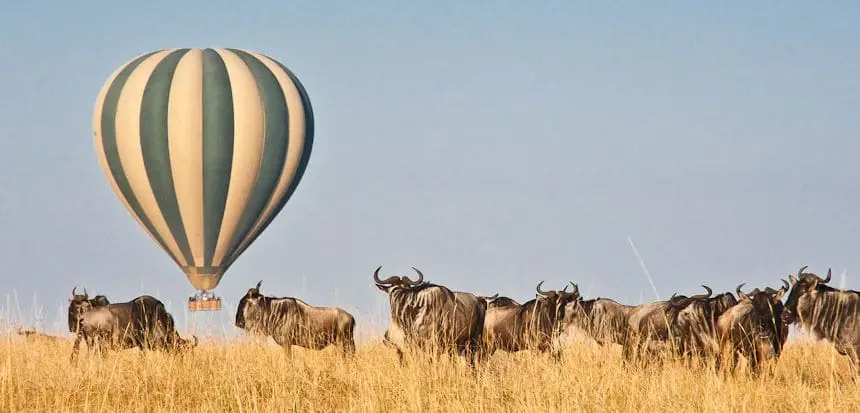
Hot-Air Balloon Safaris
A dawn balloon flight provides a completely different perspective of the Serengeti landscape.
Flights are weather-dependent and normally conclude with a bush breakfast.
Walking Safaris
Walking allows you to slow down and notice the smaller details of the ecosystem, including tracks, plants, insects and birdlife.
Availability depends on the destination and applicable regulations.
Boat Safaris
In suitable areas of Southern Tanzania, water-based safaris offer opportunities to observe hippos, crocodiles, birds and wildlife along waterways.
Chimpanzee Tracking
Mahale and Gombe offer an entirely different side of Tanzania.
Instead of open savannah, you enter forest environments to track chimpanzees.
Cultural Experiences
Tanzania’s safari experience can include meaningful cultural encounters with communities such as the Maasai and Hadzabe.
These experiences should be arranged responsibly and with respect for local communities.
Mount Kilimanjaro
For travellers who want to combine wildlife with an active challenge, Mount Kilimanjaro can be added before or after safari.
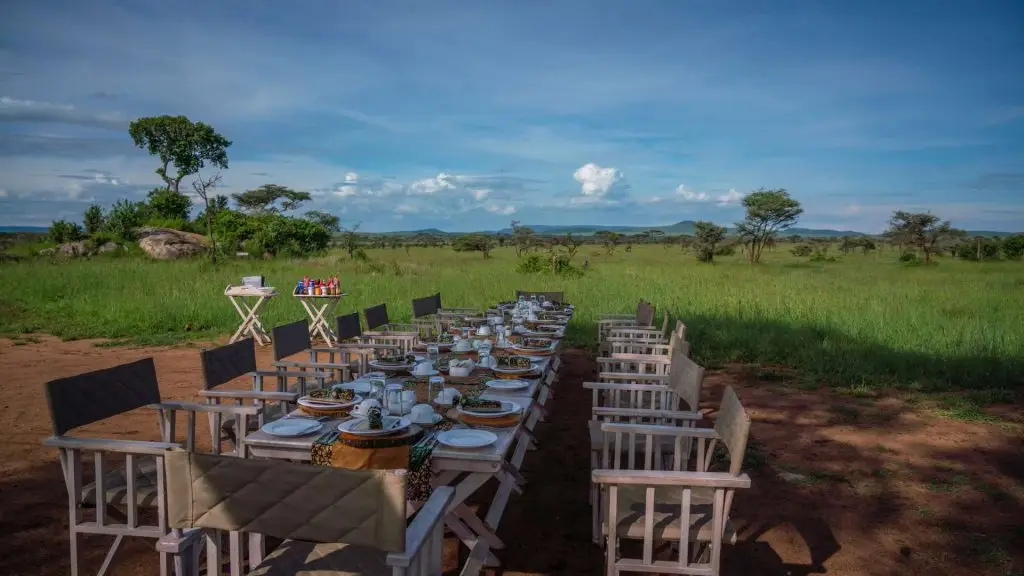
A bush breakfast is a safari experience that immerses guests in the heart of nature. Typically
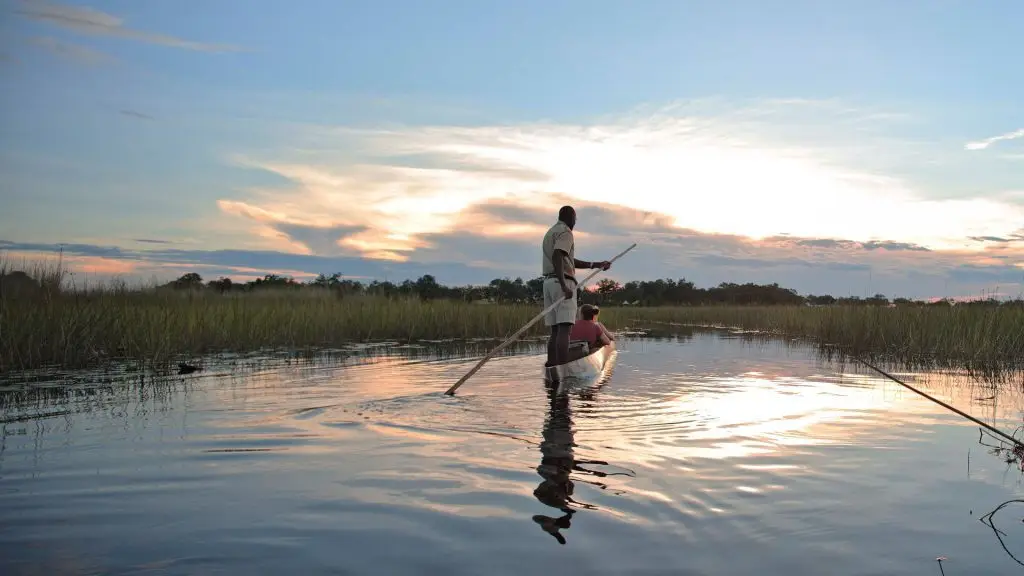
Mokoro and boat rides provide a tranquil and immersive way to explore some of Africa’s most
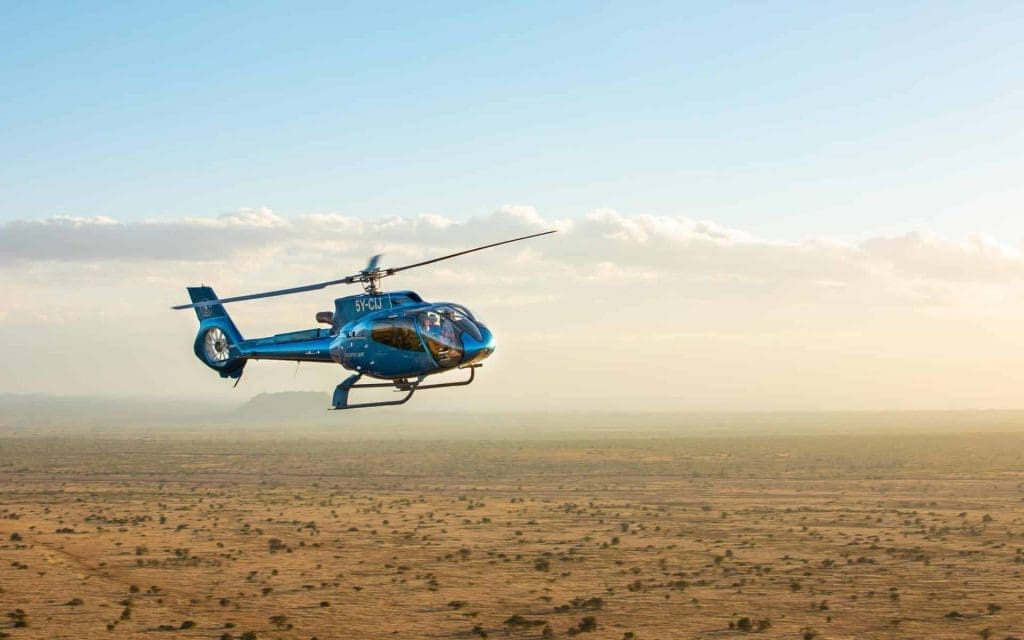
Helicopter and scenic flights are among the most thrilling and luxurious ways to experience the breathtaking
Where to Stay on a Tanzania Safari?
Top Safari Accommodations in Tanzania
Tanzania’s accommodation ranges from mobile migration camps that follow the herds, to permanent tented camps, luxury lodges, and Zanzibar beach resorts. Choosing the right base for each park and season is key to great sightings.
- Migration camps (Serengeti/Ndutu): mobile camps positioned along the herd’s route — ideal for the migration and calving.
- Permanent camps & lodges: classic, full-service bases for year-round game viewing.
- Zanzibar beach lodges: the perfect bush-to-beach finish.
- Southern wilderness camps (Ruaha, Nyerere): remote and exclusive.

Lemala Ndutu Camp is a seasonal luxury tented camp set in the heart of the Ngorongoro Conservation Area, near the
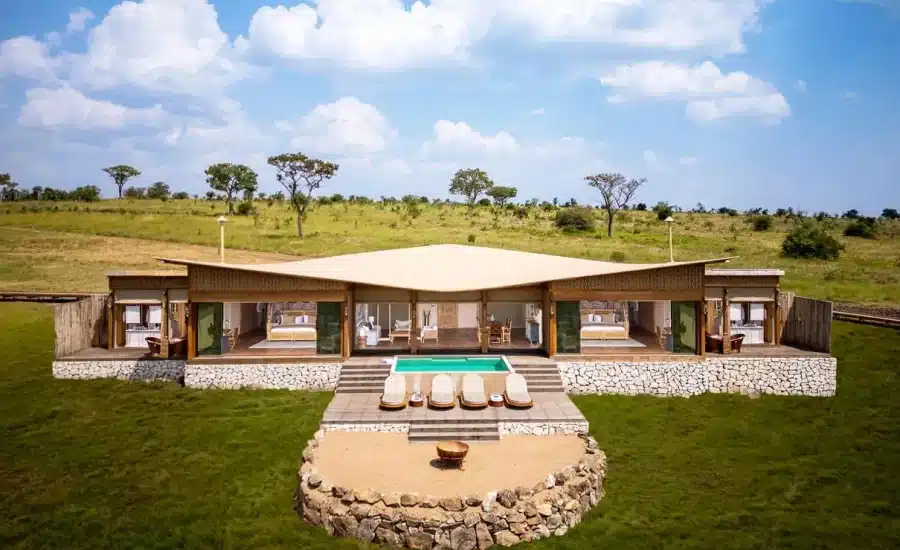
One Nature Mara River Camp is an ultra-luxurious safari camp nestled along the banks of the Mara River in the
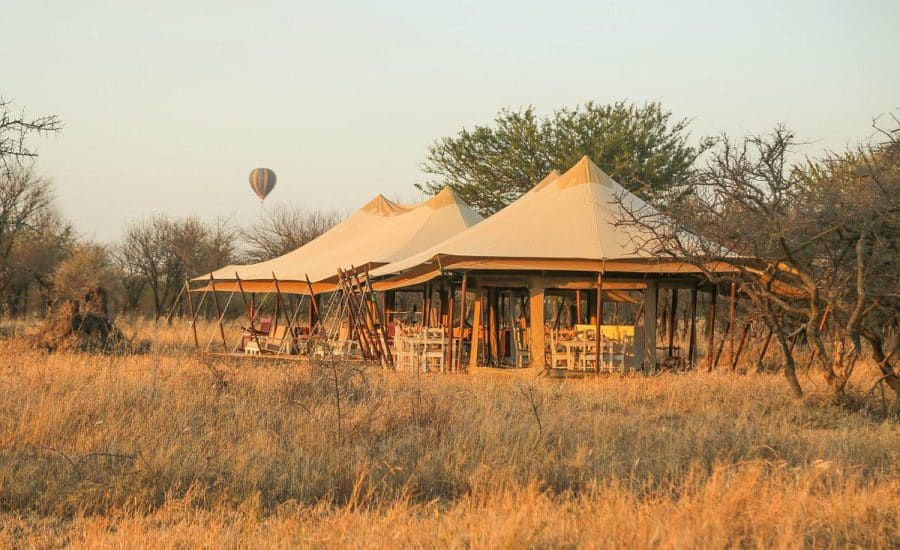
Located in the heart of the Serengeti National Park, Intimate Camp Seronera offers an exceptional safari experience with its prime
Tanzania Safari Packages & Tours
Tanzania safari itineraries and ideas To Custom Make
Our Tanzania itineraries range from short 4-day migration trips to 10+ day bush-and-beach combinations across Tanzania, Kenya and Zanzibar. Every trip is tailor-made — the examples below are starting points we adapt to you.
| Itinerary | Nights | From (PPS) | Destinations |
|---|---|---|---|
| Ndutu Calving Safari | 3 | USD 3,228 | Ndutu |
| 7-Day Tanzania & Zanzibar Beach Safari | 6 | USD 4,905 | Arusha, Serengeti, Zanzibar |
| Luxury Safari Across Kenya & Tanzania | 10 | USD 11,496 | Amboseli, Lake Manyara, Lake Nakuru, Masai Mara, Ngorongoro, Serengeti |
Cost: USD USD 8,052
No. Of Nights: 7
Per Person Sharing
Follow the thundering herds across Tanzania’s finest wilderness, from the dramatic crater floor of Ngorongoro to the vast Serengeti plains. This is the ultimate migration safari experience, filled with unforgettable wildlife encounters, luxury tented camps,...
Destinations :-
- Ngorongoro ,
- Serengeti ,

Cost: USD USD 6,084
No. Of Nights: 6
Per Person Sharing
Destinations :-
- Ngorongoro ,
- Serengeti ,
- Tarangire ,
Cost: USD USD 11,496
No. Of Nights: 10
Per Person Sharing
Discover the heart of East Africa in this 11 day luxury safari across Kenya and Tanzania, from the iconic Masai Mara and Serengeti plains to the dramatic Ngorongoro Crater and flamingo filled Lake Nakuru.
...Destinations :-
- Amboseli ,
- Lake Manyara ,
- Lake Nakuru ,
- Masai Mara ,
- Ngorongoro ,
- Serengeti ,
Why Book Your Tanzania Safari With Cheetah Safaris?
Book Your Tanzania Safari Holiday With Cheetah Safaris
A Tanzania safari should not be planned from a generic checklist.
The right camp, route and season can make a significant difference to the experience.
Locally rooted East African expertise
Cheetah Safaris is a locally owned safari DMC with operations focused on East Africa.
Tailor-made planning
We do not expect every traveller to follow the same itinerary.
Your travel dates, interests, budget, accommodation preferences and desired safari style shape the trip.
Experienced safari guides
Your guide is one of the most important parts of a safari.
We place strong emphasis on experienced professional guides who can interpret wildlife behaviour, tracks, landscapes and local ecology.
Private safari options
Private vehicles give you greater control over your game drives and daily schedule.
End-to-end logistics
We can coordinate your safari arrangements from arrival through to departure, including accommodation, transfers, safari vehicles and internal travel where required.
Conservation and community engagement
We believe tourism should contribute positively to wildlife, conservation and local communities.
Our responsible travel initiatives form part of the wider Cheetah Safaris approach.
Our role
We are not here simply to sell you a Tanzania safari.
Our job is to help you decide where to go, when to go, how long to stay and which accommodation makes sense for your trip.
Financial Protection
You are guranteed of a safe, and peace of mind booking process, and as well safari payments. We ensure that your payments are secure and safe.
Sustainable Practices
Keeping in mind our efforts in wildlife, environment and natural resources protections, we are sustainable travel conscious and aware.
Ground Safari Expert
We Know Africa more than any one. We love taking our guests to the less explored destinations. Experiencing the magical touch of African Wild.
Positive Impact
Our Safaris are not only sustainable, but create very positive impacts to so many. We engage in school programmes, that inspires our future leaders.
17 Years of Experience
Cheetah Safaris has a combined of 69 years of safari expertise and practice in Africa. We will take care of your safari from arrival till departure.
Proffessional Guides
We have the best safari guides in East Africa. All our guides are Silver and Gold Guides. Hence you will learn so much with them while on safari.
Looking For a Safari in Africa?
Explore our collection of over 70 luxury African safaris. You can also contact us to design a bespoke, tailor-made adventure just for you.
Safari Tips for a Tanzania Safari Holiday
Tanzania Travel Guide, what you need to know
What does a Tanzania safari cost?
A Tanzania safari typically costs USD 500–3,000+ per person per day, depending on season, accommodation tier, and group size; budget camps at the lower end, luxury private lodges at the upper end. See our full Tanzania Safari Cost Guide.
What to pack
Pack light and in neutral colours (khaki, olive). Bring a wide-brimmed hat, sunscreen, binoculars, insect repellent, a fleece for cool mornings, a rain jacket and sturdy shoes. Use a soft-sided duffel; light aircraft have strict weight limits. Full Tanzania safari packing list.
Weather & best time
Dry months (Jun–Oct) are best for game viewing; Jan–Mar for calving; Apr–May is wet but green and quiet. See best time to visit Tanzania.
Travel documents
You’ll need a valid eVisa, a passport valid 6+ months beyond travel, and (if arriving from a risk country) a yellow-fever certificate. We help booked guests with visa applications.
Safety & health
Tanzania is a safe, well-established safari destination. We apply safety measures on game drives, on the road and at accommodation, and work closely with medical evacuation partners. Please share any health conditions in advance. See our health & safety page.
Frequently Asked Questions About Tanzania Safaris
Frequently Asked Questions About our Tanzania Safaris. If you have any queries regarding our Tanzania safaris and tours, no need to worry, as we have gathered some of our customers’ most frequently asked questions below to help you make your decision on whether Tanzania is the place for your safari holiday.
What is the best Tanzania safari for a first-time visitor?
For a first Tanzania safari, a Northern Circuit itinerary combining Tarangire, the Ngorongoro Conservation Area and the Serengeti is an excellent starting point. It provides a strong mix of landscapes and wildlife within a relatively manageable itinerary. The best route depends on your travel dates, safari priorities, budget and the amount of time you have available.
What is the best month to go on safari in Tanzania?
There is no single best month for a Tanzania safari because different seasons offer different experiences. January to March is particularly interesting for the wildebeest calving season in the southern Serengeti and Ndutu area. June to October generally brings dry conditions and excellent wildlife viewing, while parts of the northern Serengeti can offer opportunities to follow the Great Migration. November and December can also be rewarding, particularly for travellers who prefer fewer visitors and seasonal rains.
When is the Great Migration in Tanzania?
The Great Migration takes place throughout the year as more than a million wildebeest, together with large numbers of zebra and other grazing animals, move through the Serengeti ecosystem and into the Masai Mara. The exact location changes with rainfall and grazing conditions. The southern Serengeti and Ndutu area are particularly important during the calving season, while the western and northern Serengeti become more relevant as the herds move north.
Can I see the Mara River crossing on a Tanzania safari?
Yes, the northern Serengeti is one of the places where travellers may have an opportunity to see wildebeest crossing the Mara River. However, river crossings are unpredictable. The herds may remain in an area for days, cross without warning, or change direction altogether, so no responsible safari operator can guarantee a crossing on a particular date.
How many days do I need for a Tanzania safari?
A 5 to 7-night safari can work well for a classic Northern Tanzania itinerary. With 7 to 9 nights, there is more time to explore the Serengeti at a comfortable pace and include additional areas. A 10 to 14-night safari allows for a more extensive Tanzania itinerary, such as combining Northern and Southern Tanzania or adding a Zanzibar beach stay.
How much does a Tanzania safari cost?
Tanzania safari prices vary considerably depending on the season, number of travellers, accommodation, safari vehicle, itinerary length, park and conservation fees, internal flights and the location of camps or lodges. Migration-focused itineraries can also cost more because of demand and camp location. The most useful way to establish the cost is to request a quotation based on your exact travel dates, number of travellers and preferred safari style.
Is Tanzania a good destination for a luxury safari?
Yes. Tanzania offers a wide range of luxury lodges, permanent tented camps and mobile camps in major safari areas. A luxury Tanzania safari is not only about the standard of accommodation. Camp location, guiding quality, access to wildlife, exclusivity and the number of nights spent in each area can have an even greater influence on the overall experience.
Is Tanzania suitable for a family safari?
Yes, Tanzania can be an excellent family safari destination when the itinerary is designed around the children’s ages and interests. Private safari vehicles, family-friendly accommodation, appropriate driving times and carefully selected camps or lodges can make the experience more comfortable. Some properties also have minimum age requirements, so these should be checked when planning a family itinerary.
Can I combine a Tanzania safari with Zanzibar?
Yes. A Tanzania safari and Zanzibar are one of the most popular combinations for an East African holiday. Travellers can spend several nights exploring Tanzania’s national parks and conservation areas before taking a domestic flight to Zanzibar for a beach, cultural or island extension. The combination works particularly well for travellers who want both wildlife and time by the Indian Ocean.
Should I book a private safari vehicle in Tanzania?
A private safari vehicle is often worthwhile if you want greater flexibility during the safari. It is particularly useful for families, couples seeking privacy, photographers and travellers with specific wildlife interests. A private vehicle gives you more control over departure times, time spent at sightings and the overall pace of the day.
Is Southern Tanzania worth visiting?
Yes. Southern Tanzania is an excellent choice for travellers looking for a quieter and more remote safari experience. Nyerere National Park and Ruaha National Park offer extensive wilderness, strong wildlife viewing and a different atmosphere from the busier Northern Circuit. Southern Tanzania can be especially appealing to repeat safari travellers or visitors who prioritise solitude and a sense of wilderness.
Which is better for a safari, Tanzania or Kenya?
Tanzania and Kenya both offer exceptional safari experiences, but they have different strengths. Tanzania is particularly well suited to travellers interested in the Serengeti, Ngorongoro, the wider Northern Circuit, Southern Tanzania and combining safari with Zanzibar. Kenya offers the Masai Mara, Amboseli and other distinctive landscapes and wildlife experiences. The better choice depends on your travel dates, priorities, budget and preferred style of safari. For a longer East African trip, combining Kenya and Tanzania can also be an excellent option.
What is the best Tanzania safari route?
The best Tanzania safari route depends on the time of year and what you want to see. A classic Northern Circuit route may include Tarangire, Ngorongoro and the Serengeti, while migration-focused safaris may concentrate on different parts of the Serengeti depending on the season. Travellers seeking fewer visitors can consider Southern Tanzania, particularly Ruaha and Nyerere. Your route should be planned around wildlife movements and seasonal conditions rather than simply trying to visit as many parks as possible.
Can I see the Big Five in Tanzania?
Tanzania is one of Africa’s leading destinations for Big Five viewing, with lion, leopard, elephant, buffalo and rhinoceros found in different safari areas. Sightings are never guaranteed because these are wild animals, but carefully planned itineraries can provide excellent opportunities to see all five. The best areas and chances vary according to the species and season.
Do I need a private safari or can I join a group?
Both private and shared safaris are available in Tanzania. Private safaris offer greater flexibility and are generally preferable for families, photographers and travellers who want control over their itinerary. Shared safaris can be a more economical option for solo travellers and those who are comfortable travelling with other guests.
Is Tanzania safe for a safari?
Tanzania is an established safari destination with a well-developed tourism industry, and safari areas are visited by travellers from around the world. Your safari operator should provide guidance on wildlife safety, camp procedures, road conditions and other practical considerations. As with any international trip, current travel advisories and entry requirements should be checked before departure.
Do I need to visit Zanzibar after a Tanzania safari?
No. Zanzibar is an optional extension rather than an essential part of a Tanzania safari. If your priority is wildlife, you may prefer to spend additional nights in the Serengeti, Ngorongoro or another safari area. Zanzibar makes sense if you want to add beaches, coastal culture and time on the Indian Ocean to your trip.
How far in advance should I book a Tanzania safari?
It is generally sensible to book a Tanzania safari well in advance, particularly for peak travel periods, popular camps, family travel and specific Great Migration locations. Booking earlier gives you a better choice of accommodation and allows the itinerary to be designed around the most appropriate areas for your travel dates. However, availability can sometimes be found closer to departure, particularly outside peak periods.
Pack For a Purpose
Cheetah Safaris is a serious advocate of sustainable safari practices in Africa. As part of our efforts and initiative, we engage and support schools and children who need knowledge to better their lives. The best gift a child can be given is education, skills, and creativity.
In this case, we request our guests booking with us, to bring an extra back of supplies. This can be in terms of books, sports materials, and any other items that would change the lives of these kids.
- Education
- Sustainable Travel
- Wildlife Conservation
Let us help you customize your trip
Like all of our holidays on this site, this is just an idea. All of our trips are tailor-made, so we’ll always adapt them to suit you.
Talk to an Expert
Browse our Cheetah Safaris Website. We’ll match you with a Specialist in our team who is best suited to help you plan your next safari adventure. To start, submit your Safari Inquiries.
Prepare for your trip
Our Safari experts will be of help in planning your safari from start to end. They will advise you on all that you need to pack and travel documents, too. They will be ready to answer any queries you have.
When you return
We would love to hear from you about your trip with us. Your feedback will help us always work better and try to be the best. You can leave your review on our Reviews Page or TripAdvisor Page.
Partners / Memberships
People who always support and endorse our good work