Discover Mount Longonot National Park
Mount Longonot National Park is located in the Great Rift Valley of Kenya. The park is known for its iconic dormant volcano, Mount Longonot. The park covers an area of about 52 square kilometers most of it occupied by the mountain. It is named after the Maasai word “Oloonong’ot,” meaning “steep ridges.” It offers a unique combination of hiking, breathtaking views, and rich wildlife.
Key Attractions in Mount Longonot National Park
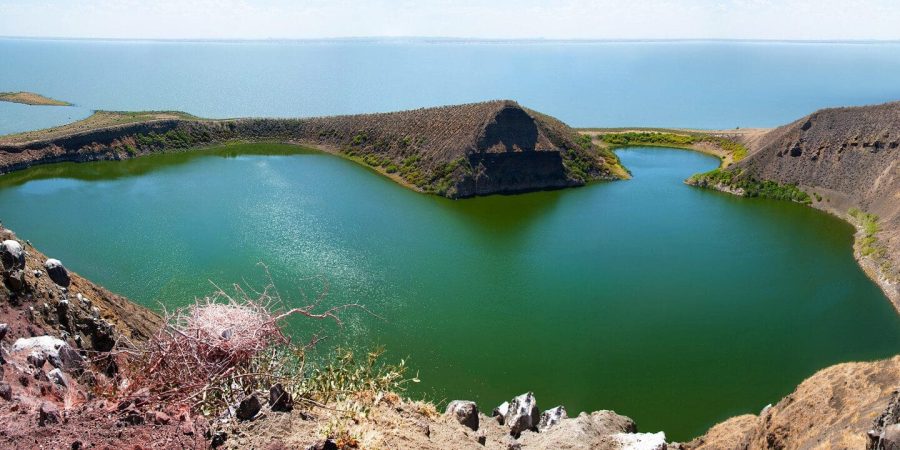
- Mount Longonot Crater: The main attraction is the hike up to the rim of Mount Longonot, which offers extensive views of the Great Rift Valley, Lake Naivasha, and the surrounding landscapes.
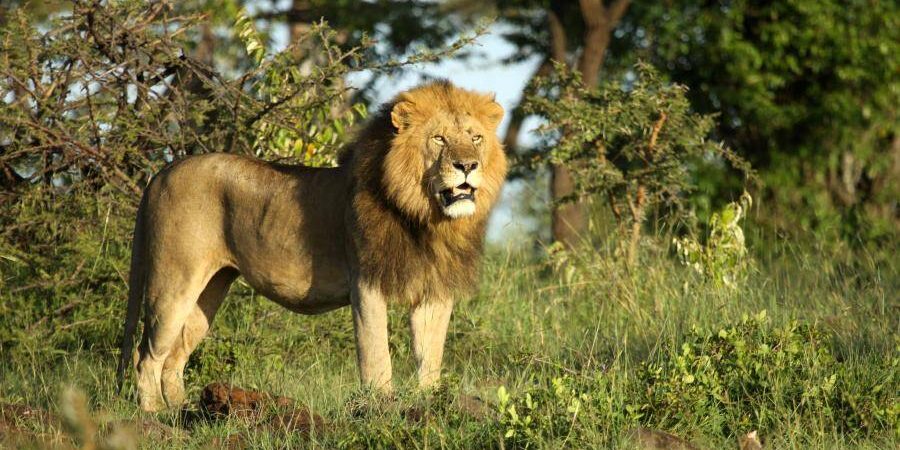
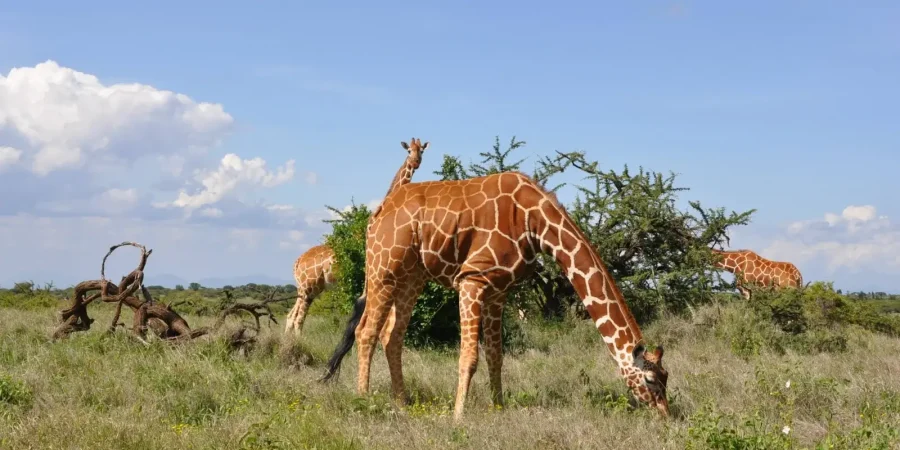
- Wildlife: The park is home to various wildlife, including buffaloes, zebras, giraffes, impalas, and baboons.
- Bird Watching: The park offers excellent bird-watching opportunities, with both resident and migratory bird species available.
Visit The Mount Longonot National Park
In need of a safari to the Mount Longonot National Park? Talk to us Directly and our ever available safari experts will reach you immediately. Fill in Our Contact Form with the details you Would want or Send us a Whatsapp text to reach us +254780337652.
What is Mount Longonot National Park Entry Fees?
| | Citizen | Resident | Non-Resident |
| Adults KSH | Child KSH | Adult KSH | Child KSH | Adult USD | Child USD |
| 500 | 250 | 675 | 350 | 50 | 25 |
MODE OF PAYMENT: Through Ecitizen (https://kws.ecitizen.go.ke/ ) via M-Pesa, Visa Card, RTGS ,Electronic Funds Transfer (EFT)
Special Services/Activities:
Security/Guided tour per guide:
- Ksh. 1,720 – up to 4 hours
- Ksh. 3,015 – Over 4 hours
Vehicle Charge per Hour:
No. of Seats KSH.
- Less than 6 seats 300
- 6-12 seats 1,030
- 13-24seats 2,585
- 25-44 seats 4,050
- 45 seats and above 5,000
What is the Best Time to Visit Mount Longonot National Park?
Dry Season (January to March and July to October): This is the best time to visit as the paths are dry, making hiking easier and offering clear views. Wildlife is also more easily spotted as animals gather around the water sources.
Wet Season (April to June and November to December): It’s a good time for bird watching.
Low Season
March to May
The low season coincides with the long rains in Kenya, from March to May. During this time, the park can be wet and slippery, especially on the trails, making it less ideal for hiking. However, this season also brings lush greenery and fewer tourists, providing a more peaceful experience for those who prefer quieter visits.
High Season
June to September
The high season occurs during the dry months of June to September, which is the best time to visit Mount Longonot. The weather is clear, and the trails are less muddy, making hiking more enjoyable. This is also when the park experiences more visitors, so it’s advisable to plan in advance if you want to avoid crowds.
Peak Season
December to February
The peak season happens during the dry months of December to February, which is when most tourists visit Kenya for safaris or hiking trips. The weather is typically sunny and warm, making it perfect for hiking up Mount Longonot. However, it’s also a busy time, so it can be crowded, especially during school holidays and festive periods.
How do you Get to Mount Longonot National Park?
By Road: Mount Longonot National Park is approximately 90 kilometers from Nairobi, making it about 1.5 to 2 hours drive. The park is accessible via the Naivasha-Mai Mahiu Road.
Public Transport: Matatus (shared minibuses) and buses are available from Nairobi to Naivasha. From Naivasha, you can hire a taxi to the park.
Which are the Best Places to Stay Mount Longonot National Park?
Which are the available Safari Packages to Mount Longonot National Park?
Which Other National Parks to visit apart from Mount Longonot National Park
Find other national parks related to Mount Longonot National Park that you either combined your safari with or get inspired to book them later on in your next adventures. The destinations are some of the best that you can visit that are close to Mount Longonot National Park.
Mount Longonot National Park FAQs