Discover Mwea National Reserve
Mastering the best of the fundamentals of relaxation that mainly encompass peace, Mwea National Reserve sits undiscovered, pristine, and intact. It is an oasis of calm and tranquility in a populous landscape. Boldly painted on a parchment canvas of dusty dry bush and feathered acacia, this diverse pocket of wilderness is traversed by torrential seasonal rivers and stubbed with bulbous baobab trees.
The ecosystem’s main features are the meeting point of rivers Tana and Thiba, Kamburu, and Masinga hydroelectric dams, which harbor a variety of biodiversity. Mwea National Reserve is renowned for its birds and waders and shelters two other rare species; Pel’s fishing owl and the white-backed night heron. It is the only protected reserve in which the globally threatened and Kenya-endemic Hinde’s Babber is found.
Hardly visited, Mwea National Reserve has great rewards for those in search of peace, calm, and tranquility. If you value solitude and reflection, delight in soaking your senses in sights and sounds that nature gives freely here. Mwea, in Kirinyaga County, excels in tranquil wildlife and birdlife where over 200 species have been recorded.
The Kamburu water reservoir harnesses the combined waters of the Tana and Thiba rivers and features two small islands. The waters boast of a healthy hippopotamus population.
Why Go on safari in Mwea National Reserve
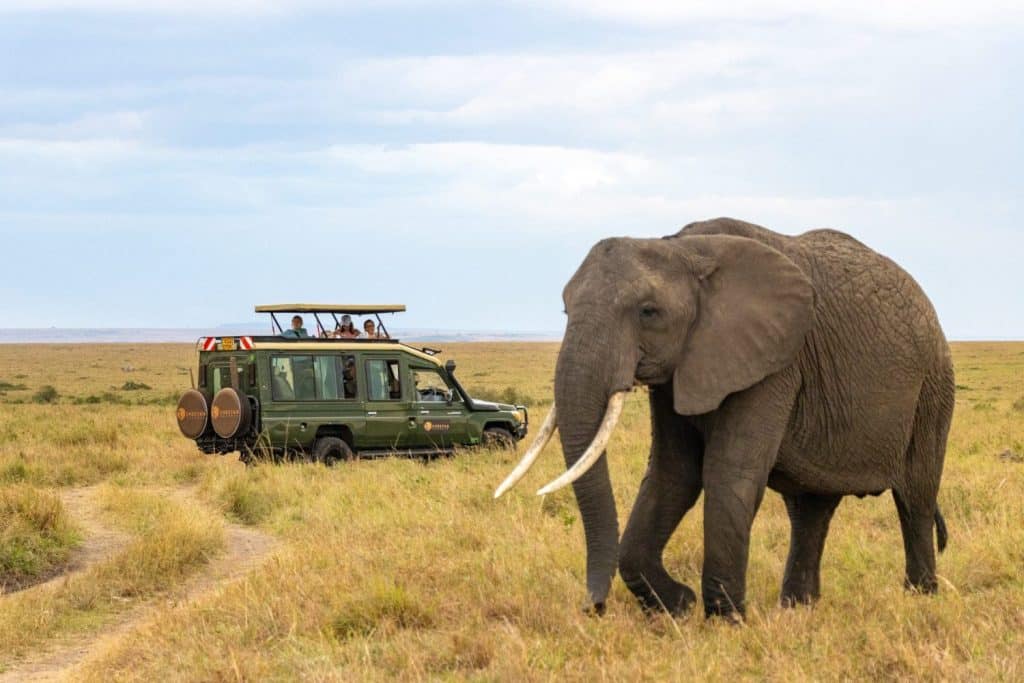
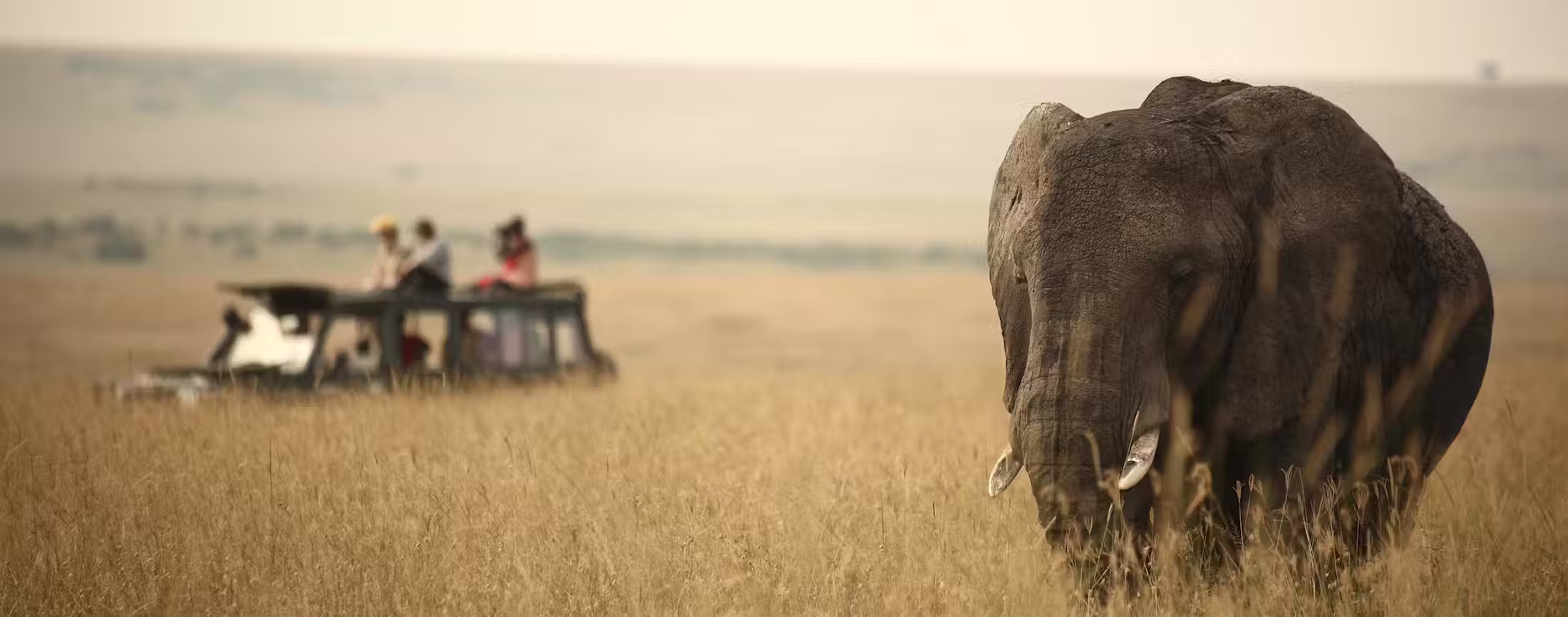
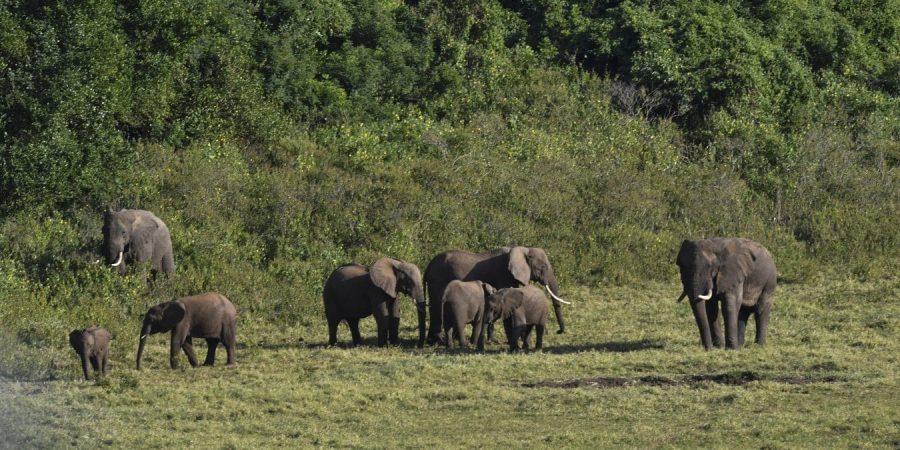
Major wildlife attractions in Mwea Reserve include the elephants, Rothschild giraffes, Common zebras, Lesser kudu, Buffalo, Water Buck, Bush buck, Impala, Vervet Monkeys, Aardvark, Yellow baboons, Grants gazelle, Dik dik, Cape hare, Warthog, Black backed jackal, Duiker, Sykes monkeys, Genet cat, Slender mongoose, Stripped ground squirrels and many more.
This area is also rich in birdlife with over 200 species recorded to date hence an Important Bird Area (IBA). The reserve is the only protected area in which the globally threatened and Kenya-endemic Hinde’s babbler (Turdoides hindei) is known to occur. Mwea National Reserve also shelters two other rare species; the Pel’s fishing owl (Scotopelia peli) and the white-backed night heron (Gorsachius leuconotus). The Malagasy pond heron (Ardeola idae) is also a common sighting.
If you would like any further information, then you can contact Cheetah Safaris who would be happy to help! Simply, call us today on +254202509616, Whatsapp Number:+254 7 80 337 652, or fill out our online contact form and we will get back to you.
What is Mwea National Reserve Entry Fees?
Below are the Mwea National Reserve entry fees for 2024
| MWEA NATIONAL RESERVE | EAST AFRICAN CITIZEN (KSH) | RESIDENT (KSH) | NON-RESIDENT (USD) | AFRICAN CITIZEN (USD) |
| Adult | Child | Adult | Child | Adult | Child | Adult | Child |
| 500 | 250 | 675 | 350 | 40 | 15 | 20 | 10 |
Vehicle charges per day
No. of Seats KSH.
- Less than 6 seats KSH. 600
- 6 – 12 seats KSH. 1,500
- 13 – 24 seats KSH. 3,000
- 25 – 44 seats KSH. 4,500
- 45 seats and above KSH. 5,000
Please note the rates are subject to change.
How to Pay for Mwea National Reserve Fees
How do you pay for Mwea National Reserve Fees? To pay for Park Fees, you will have to visit the KWS E-Citizen Account, create an account, and select Mwea National Reserve to pay for the park fees.
1. Download the e-Citizen mobile app from the Google Play Store or the Apple App Store.
2. Open the app and create an account or sign in if you already have an account.
3. Tap on the “Services” tab.
4. Scroll down and select “Kenya Wildlife Service (KWS)”.
5. Select the park or sanctuary that you want to visit.
6. Enter the number of adults and children in your party.
7. Select the payment method.
You can pay using M-Pesa, Airtel Money, or a credit/debit card.
8. Review your payment details and tap on “Pay”.
You will receive a confirmation message once your payment is successful.
The transaction will be mirrored in the Kenya Wildlife Service system, facilitating the visitor’s entry to the park upon arrival at the entrance. On the day of Visit, ensure you have the ticket, and share it with the gate wardens for entry to the park.
What is the Best Time to Visit Mwea National Reserve?
Generally, Kenya is best to visit in the dry season months of July to October when the parks are dry and wildlife viewing is dramatic, easy, and action packed.
Low Season
1st April to June 15th and 15th Nov to 15th Dec
If you are looking for an intimate exclusive safari but affordable Kenya Safari, this is the best time to visit. The best places to visit include the Masai Mara, Amboseli, Samburu, and lake Nakuru among many others.
High Season
Jan 10th to 1st April and 1st Nov to 15th Dec
One of the most considered seasons to travel and visit East Africa, including Kenya, Tanzania, and Uganda. Easy to spot the big five and the big cats of the Masai Mara, Amboseli, and Samburu other major parks.
Peak Season
15th June to 30th Oct, 15th Dec to 10th Jan
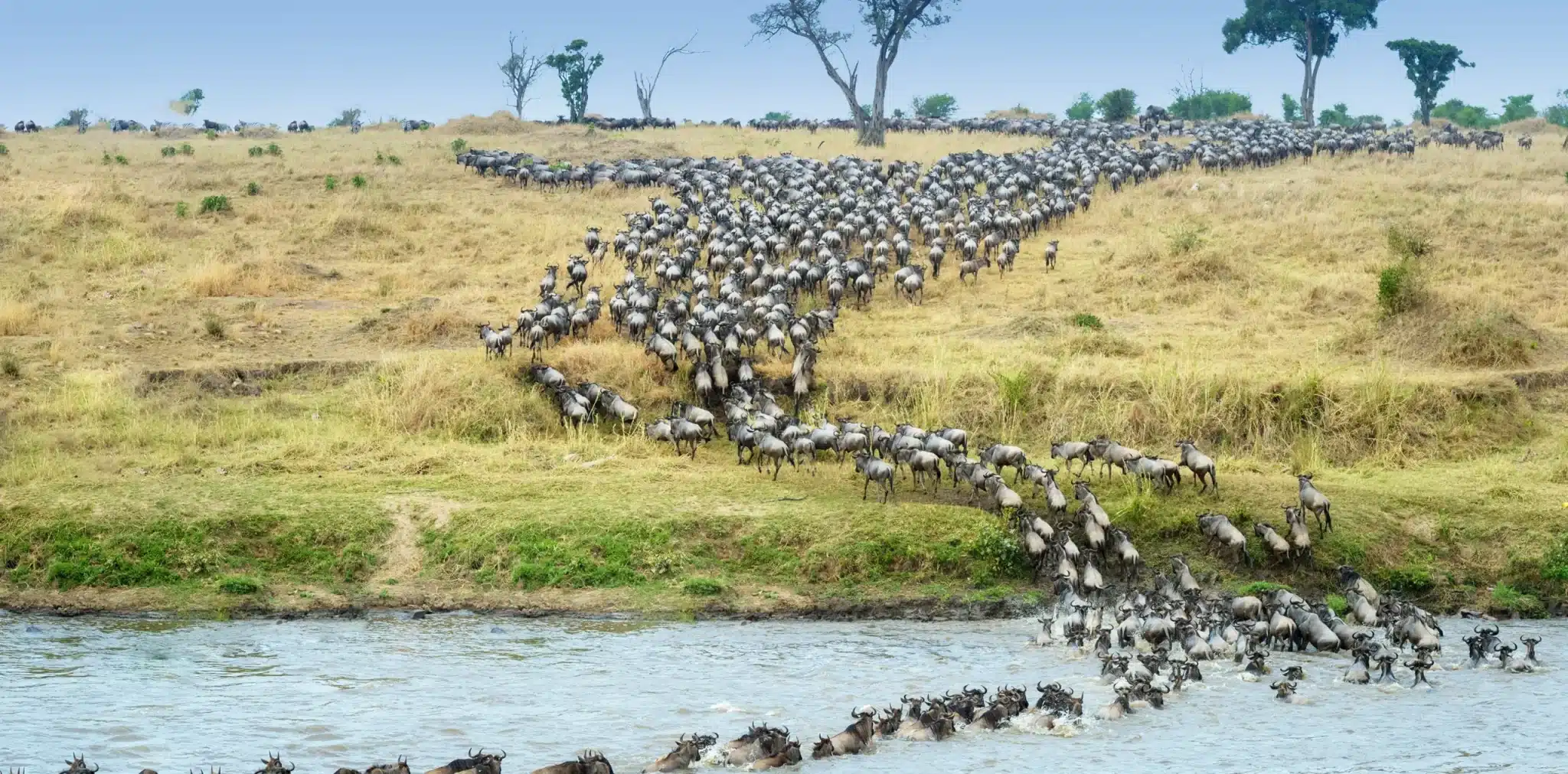
An action filled season to witness the great wildebeest migration and crossings in Kenya is during this season. In case you are looking for the best adventures, then this is the best fit for you
How do you Get to Mwea National Reserve?
By Road
From Nairobi it’s approx. 180 km a 3 to 4 hours drive. Take Thika Superhighway (A2) or Garissa Road (C94) towards Matuu, then continue through Masinga to the reserve. If coming from Embu Town it’s about 45 km. Drive south along Masinga Road to reach the reserve. A 4WD vehicle is recommended, especially during the rainy season.
By Air
The nearest airstrip is at Masinga Dam or Embu, suitable for chartered flights from Wilson Airport (Nairobi).
Which are the Best Places to Stay Mwea National Reserve?
Which are the available Safari Packages to Mwea National Reserve?
Which Other National Parks to visit apart from Mwea National Reserve
Find other national parks related to Mwea National Reserve that you either combined your safari with or get inspired to book them later on in your next adventures. The destinations are some of the best that you can visit that are close to Mwea National Reserve.
Mwea National Reserve FAQs