Wildlife Photography Safaris
Best Wildlife Photography Safaris in Africa
Why go on a Photo Safari in Africa
Reasons to Visit Africa For wildlife Photographty
A photo safari in Africa provides an unmatched opportunity to photograph iconic wildlife and breathtaking scenery, and improve one’s photographic skills under the guidance of professional safari experts. Unlike the conventional and fast-paced safaris, photo safaris focus on the right lighting conditions (during the early morning or late afternoon), long-duration photo operations, and specially designed safari vehicles with stability, 360-degree viewing, and comfort features.
Unparalleled Opportunities and Expert Guiding on Photography Safaris
An African photo safari provides unparalleled opportunities to access the most iconic wildlife on the continent, giving you a front-row seat to the greatest natural spectacles. You can photograph the famous Big Five, like lions, leopards, rhinos, elephants, and buffalo, in addition to the spectacular Great Migration and endemic species found only in certain areas, such as Samburu and Laikipia.
Unlike other African safari tours, these photo safaris focus on unobtrusive observation, allowing you to record genuine interactions in the wild. To help you achieve professional-quality photographs, these photo safaris include expert guidance from experienced photography guides. These guides provide direct guidance on camera technicalities, composition, and the essential skill of anticipating behavior.
Whether you are a beginner learning about the exposure triangle or an expert honing a portfolio, this expert-level guidance will help you leave with quality photographs. The approach is centered on patience and observation, going beyond simple sightseeing to develop a deeper appreciation for wildlife behavior, where every click of the camera is a deliberate contribution to your art.
Specialized Safari Vehicles and Lighting in Photography Safaris
For world-class photography, photo safaris in Africa incorporate specialized equipment and optimal lighting conditions that are carefully planned according to a photographer’s requirements. Specialized vehicles are designed with open sides or 360-degree swivel seats, low-angle ports, and built-in camera support systems like bean bags or mounts.
Small group sizes are an integral part of photo safaris, which allow for unobstructed viewing positions and the ability to linger over a sighting until the perfect photograph is captured. Moreover, the entire safari itinerary is carefully planned around the golden hour, which is the soft and warm light of dawn and dusk that turns the African landscape into a work of art. By focusing on these optimal lighting conditions, photographers can capture images that are simply not possible in the bright light of midday.
Midday breaks are utilized for image editing workshops and relaxation, which enable photographers to assess their work and gear up for the next session.
Diverse Landscapes and Immersive Connections On Photography Tours in Africa
The African continent offers a remarkably diverse landscape that becomes a canvas for breathtaking environmental portraits and landscape photography. Ranging from the golden savannas of the Serengeti and Masai Mara to the lush and winding waterways of the Okavango Delta and the hauntingly skeletal trees of Namibia’s Sossusvlei, the diversity is staggering.
This diversity enables the photographer to explore different moods, hues, and perspectives in a single trip. But beyond the technical aspects of the profession, a photo safari offers an immersive connection with nature. By taking hours to observe a single pride of lions or a herd of elephants, you develop a unique insight into the balance of nature.
It is a worthwhile investment for anyone seeking to turn a holiday into a portfolio-building adventure. At the end of it all, photo safaris offer a combination of adventure and artistic discipline that culminates in a life-changing experience that captures the essence of the African wilderness through the lens of a camera.
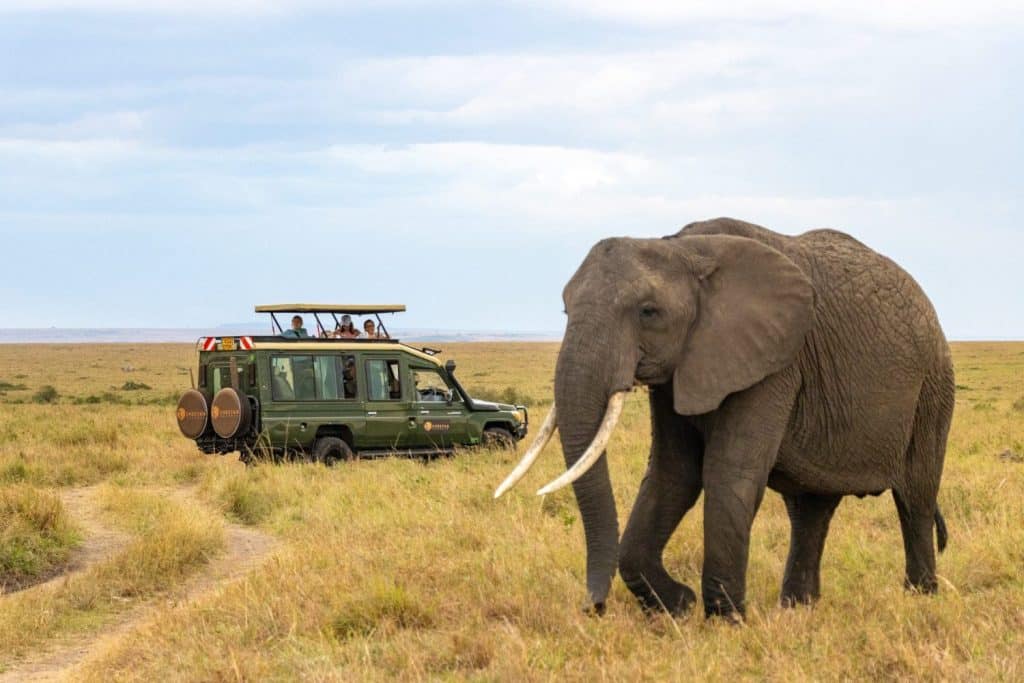
Looking For a Safari in Africa?
Explore our collection of over 70 luxury African safaris. You can also contact us to design a bespoke, tailor-made adventure just for you.
Wildlife Photography Destionations in Africa
African Safari Destinations for Wildlife Photography Tour
The best African destinations for wildlife photography Safaris are Kenya’s Masai Mara for the Great Migration, Tanzania’s Serengeti for its expansive savannah, and Amboseli for its classic Kilimanjaro elephant photography. Botswana offers private and exclusive photo safaris, while South Africa’s Kruger and Sabi Sands are great for accessible Big Five photography.
Legendary Savannas of East Africa: Kenya and Tanzania
Kenya and Tanzania are the epitome of African photography, boasting vast savannas and spectacular wildlife action. Kenya’s Masai Mara is famous worldwide for the Great Migration, where photographers document the dramatic river crossings and predator-prey encounters. In proximity, the Amboseli National Park offers the classic African setting, complete with massive elephant herds silhouetted against the snow-capped summits of Mount Kilimanjaro.
Simultaneously, Tanzania’s Serengeti National Park boasts endless plains and a high concentration of big cats, guaranteeing varied shoot options. Both locations emphasize the golden hour, ensuring the soft and warm light necessary for capturing the unbridled beauty and rich colors of the East African landscape.
Spectacular Southern Sceneries: Desert and Delta of Botswana and Namibia
Botswana and Namibia provide exceptionally interesting and exclusive settings for photographers. While Botswana’s Okavango Delta offers close, water-based interactions with hippos and elephants in private concessions, Namibia’s desert scenery, with the giant dunes of Sossusvlei and the dead trees of Deadvlei, presents dreamlike, minimalist settings where wildlife is seamlessly integrated with stunning environmental portraits.
Prime Big Five Spots of South Africa For Photography Safaris
The Greater Kruger and Sabi Sand areas in South Africa are the ultimate destinations for world-class “ig Five photography. These areas are known to have extremely habituated animals, especially leopards, which are notoriously difficult to photograph. With specially equipped safari vehicles and expert guides, these locations provide the best possible positioning and lighting for photographers of all levels.
What You Need for A Photo Safari in Africa
Simple Guide on What you need for a Photography Safari
Understand some of the most important items you pack for your photography safari in Africa. With the brief guide on what to pack for the tour, this guide will make you understand the best items to pack and what not to. From these recommendations, we know you will have to pack light due to the international flight restrictions.
Camera Equipment and Lenses for a Wildlife Photo Safari
A successful photo safari starts with a professional DSLR or mirrorless camera that excels in autofocus and nighttime photography. It is always best to have two cameras to avoid lens changes in dusty conditions. A telephoto lens with a range of 100-400mm or 200-500mm is a must for photographing wildlife from a distance, and a 24-70mm lens is useful for taking environmental portraits and landscapes.
It is also important to have a camera support system that can provide stability in different situations. A bean bag for camera support on vehicle bodies and a monopod for open-sided trucks are a must. Memory cards, external storage devices, and spare batteries should also not be forgotten. A complete cleaning kit with blowers and microfiber cloths is also a must to deal with the African dust.
Recommended Clothing and Personal Protection for Wildlife Photography Safaris
When it comes to dressing for the bush, one has to plan carefully regarding color and temperature. Beige, olive, and brown colors are essential for camouflage and preventing insects from being attracted to you. Because safari days begin with freezing morning drives and progress to hot conditions, layering is essential. You should wear a warm fleece, a windbreaker, and a cap in the morning, but opt for light fabrics in the afternoon.
To shield yourself from the direct sun and wind, you need a wide-brimmed hat, high SPF sunscreen, and a buff. You will need well-worn hiking boots for support during occasional bush walks.
Photo Safaris Essential Accessories and Field Preparation
Apart from the camera, some accessories make a world of difference in the African photography experience. Good quality binoculars are a must for tracking subjects before they come into your frame, and a strong headlamp is a great aid for night movements in camp. A universal power adapter and a multi-socket power strip are absolute must-haves for charging multiple devices at the same time.
For health, a first-aid kit with high insect repellent, malaria prophylaxis, and basic medications is a must. The most important piece of advice is to carry a dust-proof camera bag to protect your equipment during bumpy transport. An empty beanbag to be filled with local grains upon arrival is a great way to save weight while still providing support for your lenses.


African Photo Safaris Accommodations
Where to Stay for Wildlife Photography Safari
The private conservancy lodges are the most beneficial for photographers, as they provide private access with limited tourists. These sites allow off-road driving and night safaris, which are essential for taking specialized, high-quality photographs of nocturnal predators. Staying in these private zones ensures that you can follow a sighting until you get the perfect shot without the constraints of national park transportation times.
The luxury mobile tented camps and photography lodges offer a close relationship with nature and the luxury of modern amenities. These sites are designed specifically for professionals who provide on-site photography hides, digital editing studios, and a 24/7 power supply for charging heavy photographic equipment. Specialized vehicles with open-sided designs and low-angle ports are also common, which enable eye-level photography for creating more dramatic wildlife portraits.
When choosing a base, it is important to choose lodges and camps that have guides who know how to use light and the behavior of the animals. Being close to the best game viewing areas is important to reduce travel time and ensure that you are in the area during the golden hour. It is also important to ensure that the lodge or camps have enough room in the vehicles for bulky equipment. A lodge that is serious about photography can turn a normal safari into a high-yield portfolio-building adventure.
Ndutu Wilderness Camp is a seasonal tented camp located in the Ndutu region, offering an authentic safari experience in the
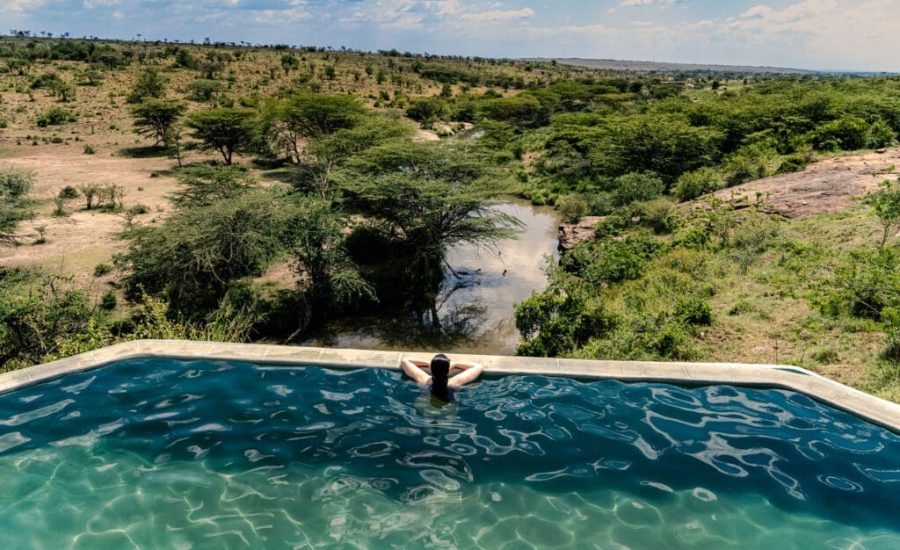
Amani Mara Lodge is an eco-conscious luxury safari oasis located in Kenya’s Maasai Mara Game Reserve. Amani is a Swahili
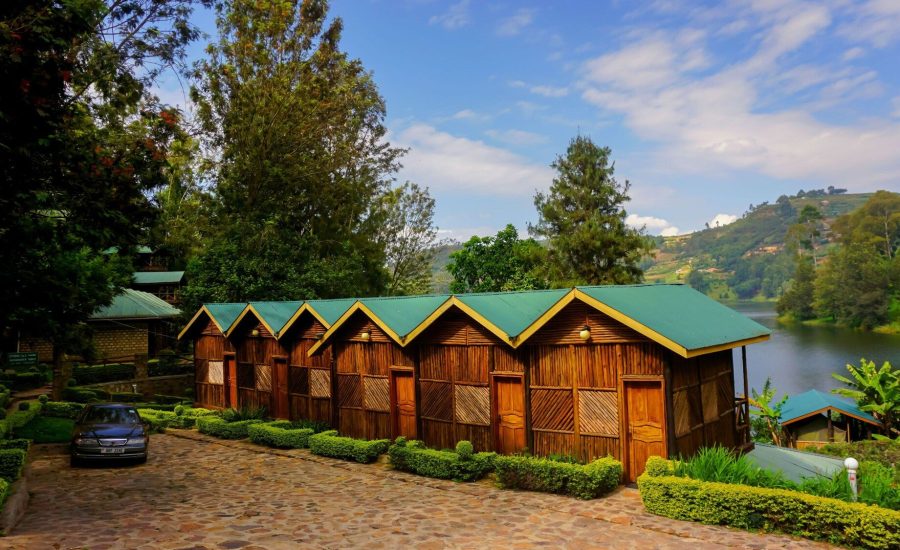
Overland Bunyonyi Resort is a highly popular, eco-conscious budget and midrange lakefront resort perched directly on the shores of Lake
Wildlife Photography Safari Packages
Tailor Made African Safari Photography Tour Packages
We have curated some of our most selling wildlife photography safari itineraries for you that you can explore, discover, and maybe decide to book, or refine them with your preferences. Our wildlife photography safaris are at least 12 nights. This is because, with 12 nights, you have enough time to capture some of your best shots.
Are you looking to tailor-make your own itinerary? We will be more than happy to help you curate the best photography tour itinerary that befits your photography interest. Talk to our experts.
Cost: USD USD 11,096
No. Of Nights: 13
Per Person Sharing
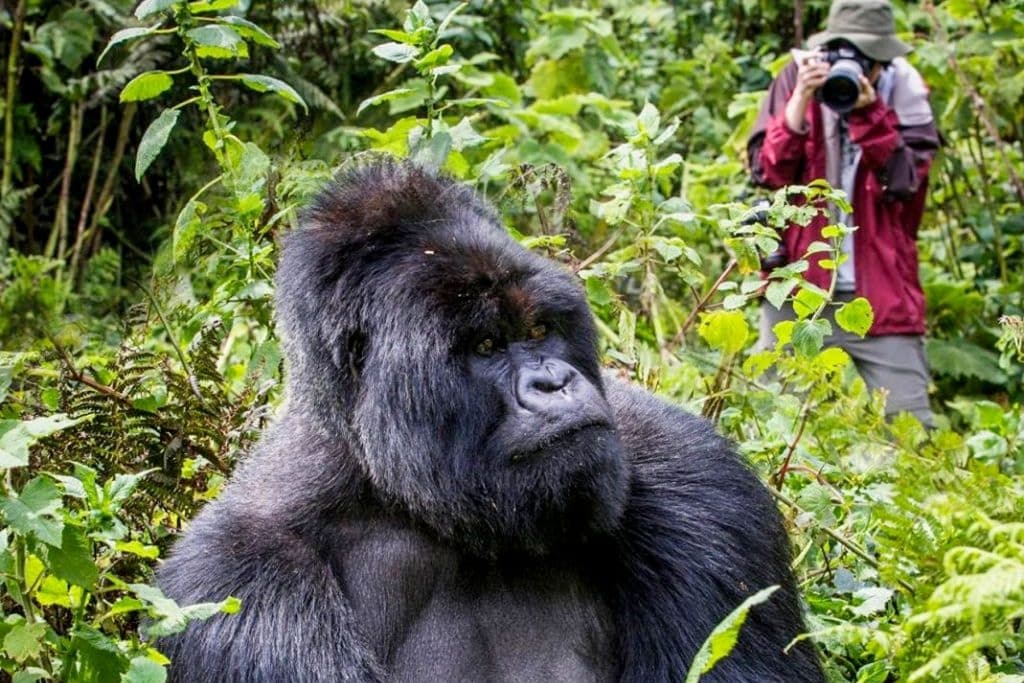
Journey through Uganda’s wild heart, from the source of the Nile to a time spent with mountain gorillas.
...Destinations :-
- Bwindi ,
Cost: USD USD 12,006
No. Of Nights: 8
Per Person Sharing
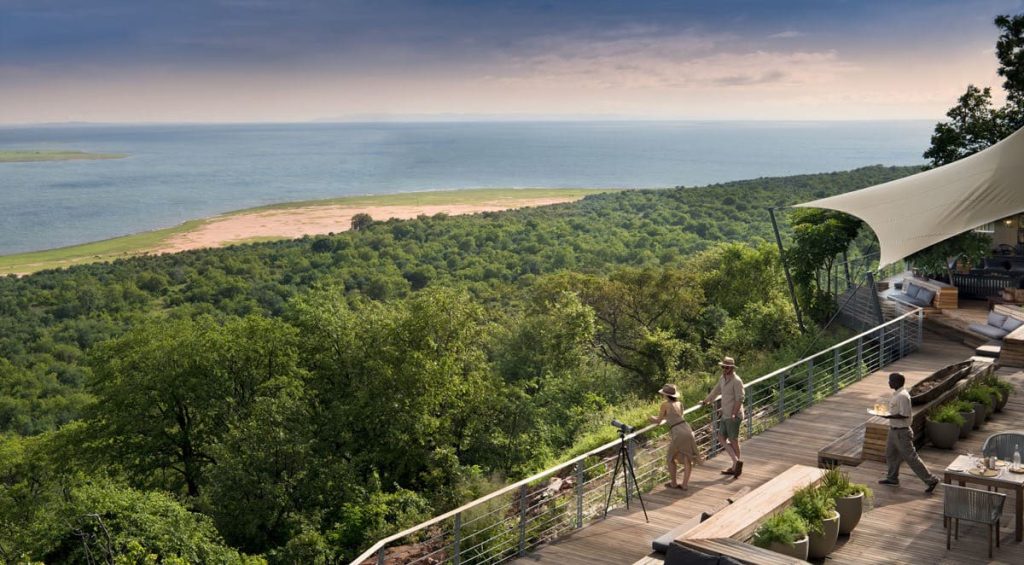
Experience the best of Zimbabwe on this 8 night luxury safari through Victoria Falls, Lake Kariba, and Mana Pools National Park, where remarkable landscapes and exceptional wildlife await.
...Destinations :-
No. Of Nights: 9
Per Person Sharing
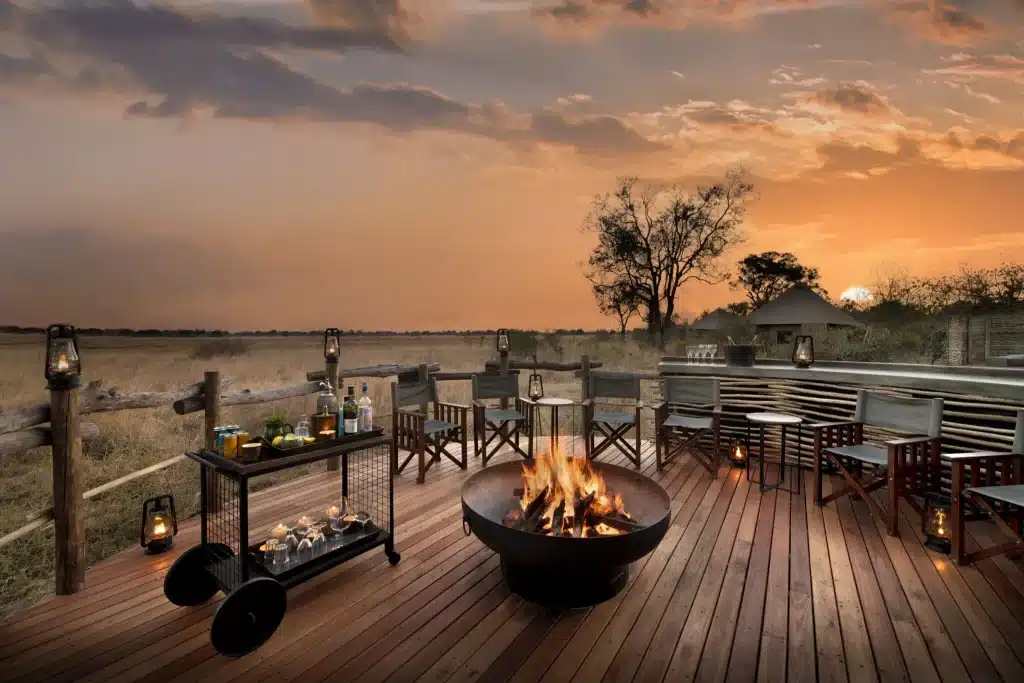
This safari through the Okavango Delta promises the perfect blend of adventure, tranquility, and indulgence.
...Destinations :-
Start Planning Your Photography Safaris with Cheetah Safaris
Lets Cutomise your exclusive photography safari
Are you in search of a luxury safari adventure where you can view interesting wildlife? Well, you are in the right place. At Cheetah Safaris, we offer customized luxury safaris that are aimed at catering to your demand to explore and have an adventure.
In addition to its plains, Kenya also holds Africa’s second-highest mountain, Mt. Kenya. Do not forget to witness and experience one of the Wonders of the World, made possible not elsewhere but only in Kenya: The Great Wildebeest Migration. Indeed, the Maasai Mara provides an awe-inspiring view and is not just an experience but a once-in-a-lifetime experience!
Financial Protection
You are guranteed of a safe, and peace of mind booking process, and as well safari payments. We ensure that your payments are secure and safe.
Sustainable Practices
Keeping in mind our efforts in wildlife, environment and natural resources protections, we are sustainable travel conscious and aware.
Ground Safari Expert
We Know Africa more than any one. We love taking our guests to the less explored destinations. Experiencing the magical touch of African Wild.
Positive Impact
Our Safaris are not only sustainable, but create very positive impacts to so many. We engage in school programmes, that inspires our future leaders.
17 Years of Experience
Cheetah Safaris has a combined of 69 years of safari expertise and practice in Africa. We will take care of your safari from arrival till departure.
Proffessional Guides
We have the best safari guides in East Africa. All our guides are Silver and Gold Guides. Hence you will learn so much with them while on safari.
wildlife Photography Safaris FAQs
Having Questions? Learn about our Photography Safaris Q&A
If you have any questions regarding any of our Photo safari tours, you may find your answer below in our most frequently asked questions. However, don’t be afraid to get in touch if your query is not included for our experts to help you design your best African Photography Safaris.
Our team is happy to help discuss any of our safari packages, destinations, or general information, so you have peace of mind! Get in touch with us now.
What is the best camera gear For Wildlife Photography Safaris?
The most suitable camera equipment for a wildlife photography safari would be a versatile mirrorless camera with fast autofocus capabilities (such as Canon R5/R7 or Sony A1) and a telephoto zoom lens (preferably 100 mm – 400 mm or 200 mm – 400 mm). Another camera body or a versatile superzoom lens (24 – 600 mm) would be useful to prevent missing photos while lens changes.
What are the best camera settings For Wildlife?
For wildlife photography, a fast shutter speed (1/1000s to 1/4000s), a large aperture (f/2.8 to f/5.6), and Auto ISO will help you freeze the action, separate the subject from the background, and adjust to changes in lighting. Continuous shooting mode with AI-powered subject tracking will give you a clear and fast burst of images.
What type of vehicle is best For wildlife Photography?
The most appropriate vehicles for wildlife photography are 4×4 SUVs or safari vehicles that are open on one side, as they act as mobile blinds that hide the human figure and enable one to get close to the subject.
How many days should a photo safari be?
The ideal duration of a photo safari should be between 10 and 21 days, with 14 days being the optimal period for taking as many photographs of wildlife as possible. This is because 10 days allow for acclimatization to the new surroundings and subjects.
When is the best time of the day for photography Safaris?
The best time to go for a photography safari would be during the golden hours, which are immediately after sunrise and before sunset. During these hours, the light is soft and warm, with minimal harsh shadows, and it is also the time when the animals are most active. The early morning hours (6.30 am to 9 a.m.) and late afternoon (3:30 p.m. to 6.00 Pm) are the best times to take amazing photographs.
What clothing should I bring For Photography Safaris in Africa?
For a photo safari in Africa, one should wear light and neutral-colored clothing (khaki, beige, olive) that is breathable and moisture-wicking to blend in with the surroundings, stay cool, and protect against dust. One should wear long-sleeved shirts and pants to protect against the sun and insects.
Are there baggage restrictions for Photoraphy Gears?
Yes, there are major restrictions on luggage when it comes to photography equipment, and these are mainly centered on weight, size, and battery handling. Camera equipment can be carried in carry-on luggage, which is advisable for security reasons, but it should not exceed standard sizes, usually 55x35x20 cm and about 10kg, and the lithium batteries should be in carry-on luggage.
Is it safe to get close to animals on Safari?
Yes, it is quite safe to get close to the animals on a safari, but only when accompanied by professional guides or when following strict safety guidelines in a secure vehicle. The animals are habituated to vehicles as non-threatening, but they are wild and dangerous; you should always stay seated, quiet, and never touch or feed them to avoid attacks.
Can I get out of the vehicle on Photo Safaris?
In most national parks and reserves, it is strictly prohibited to alight from a vehicle during a photo safari, with offenders facing fines or banishment. The safety of tourists is paramount, and alighting from a vehicle may trigger dangerous encounters with animals, although exceptions are sometimes allowed by guides in designated areas.
Pack For a Purpose
Cheetah Safaris is a serious advocate of sustainable safari practices in Africa. As part of our efforts and initiative, we engage and support schools and children who need knowledge to better their lives. The best gift a child can be given is education, skills, and creativity.
In this case, we request our guests booking with us, to bring an extra back of supplies. This can be in terms of books, sports materials, and any other items that would change the lives of these kids.
- Education
- Sustainable Travel
- Wildlife Conservation
Let us help you customize your trip
Like all of our holidays on this site, this is just an idea. All of our trips are tailor-made, so we’ll always adapt them to suit you.
Talk to an Expert
Browse our Cheetah Safaris Website. We’ll match you with a Specialist in our team who is best suited to help you plan your next safari adventure. To start, submit your Safari Inquiries.
Prepare for your trip
Our Safari experts will be of help in planning your safari from start to end. They will advise you on all that you need to pack and travel documents, too. They will be ready to answer any queries you have.
When you return
We would love to hear from you about your trip with us. Your feedback will help us always work better and try to be the best. You can leave your review on our Reviews Page or TripAdvisor Page.
Partners / Memberships
People who always support and endorse our good work