Best Time to visit Namibia
Best Time for a Namibia Safari Holiday
Best Time to visit Namibia for safaris
Best time for safaris and holidays in Namibia
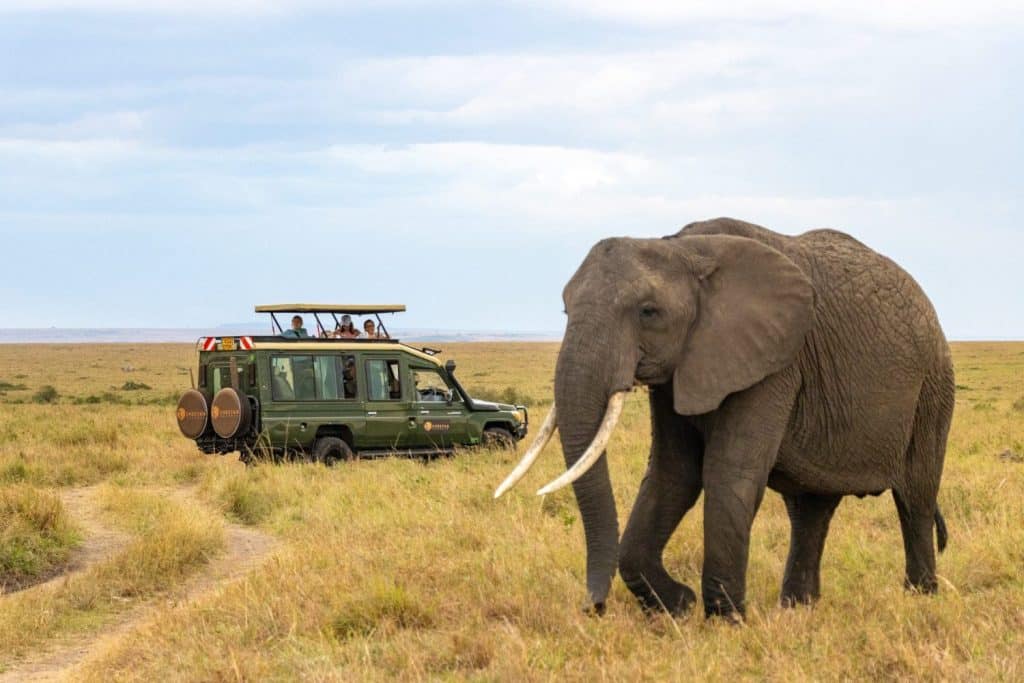
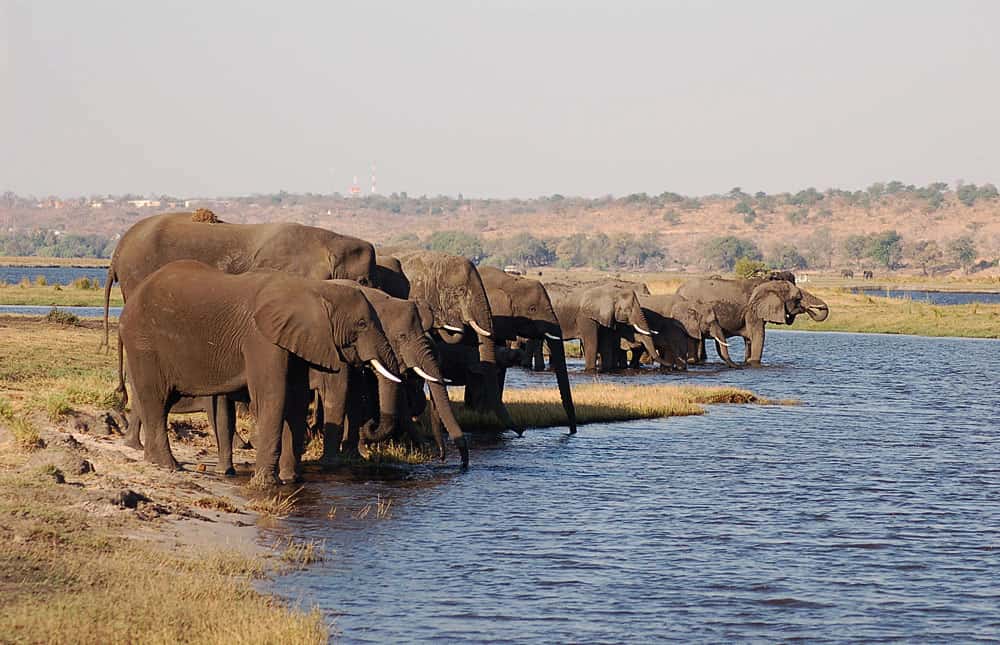
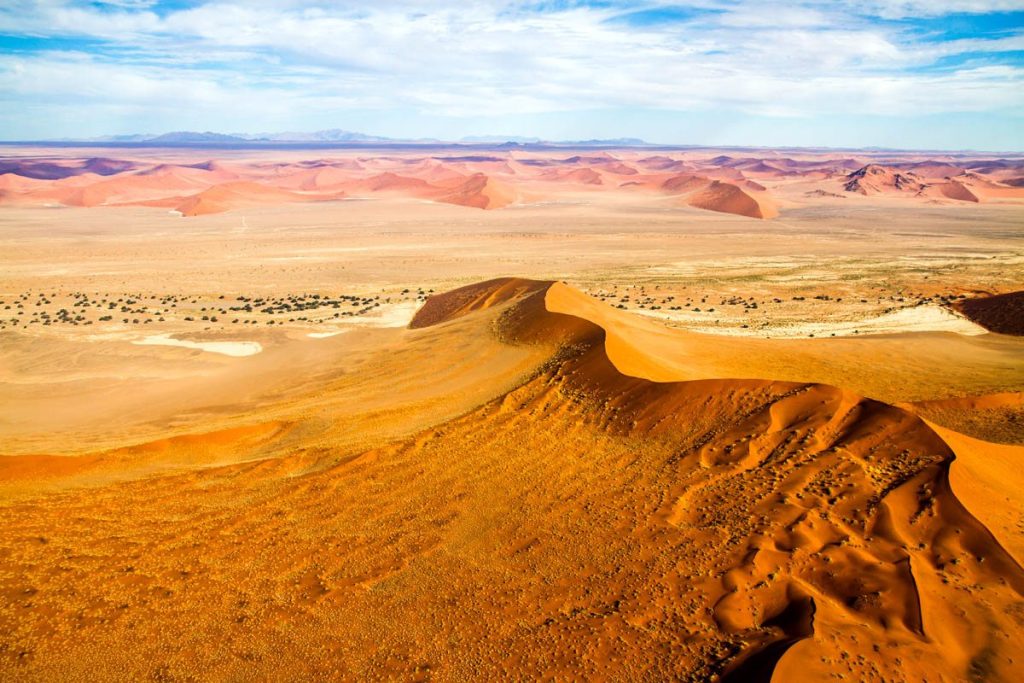
The dry season, from May to October, is the ideal time to visit Namibia for a safari adventure. The climate is warm and clear, making it ideal for exploring the high red dunes of Sossusvlei and the rugged Skeleton Coast. The best time for game viewing is between July and September, when animals migrate in large numbers to the permanent waterholes of Etosha National Park.
The climate is warm during the day, averaging 25°C, but the desert and coastal areas can be very chilly at night, sometimes close to freezing. It is therefore crucial to dress warmly by wearing light-colored clothing such as khaki and beige. A warm fleece and windbreaker are also essential for early morning game drives and the Atlantic coast breeze.
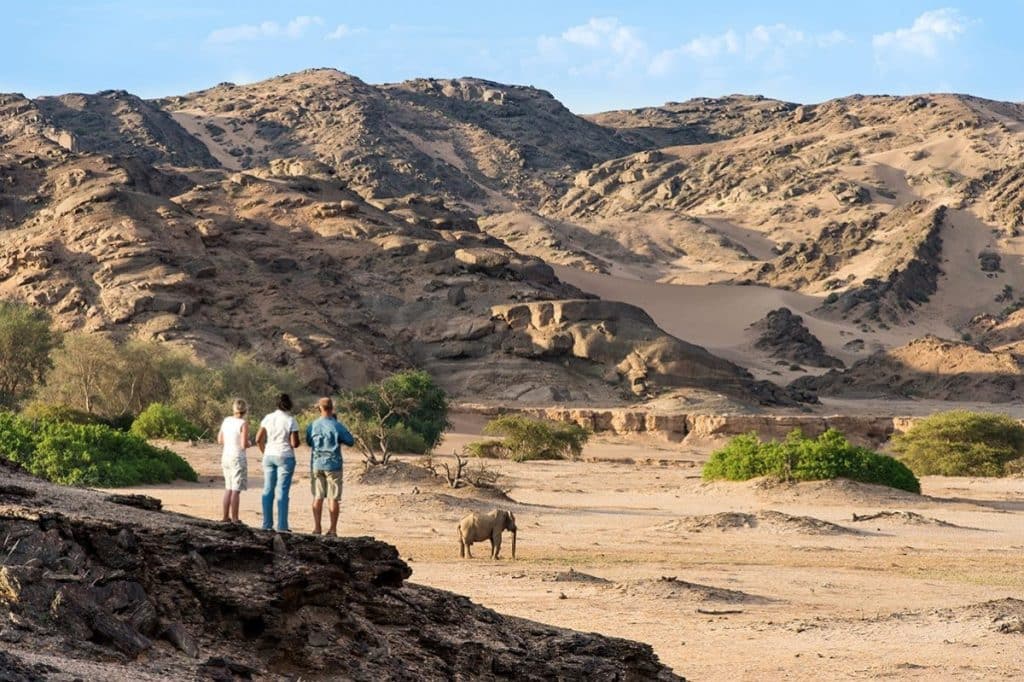
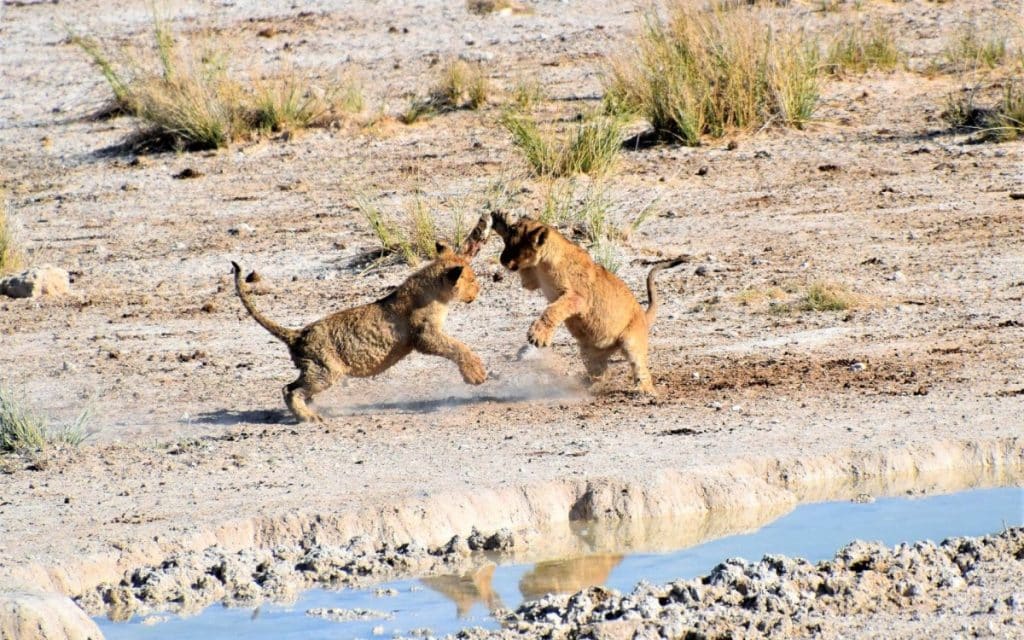
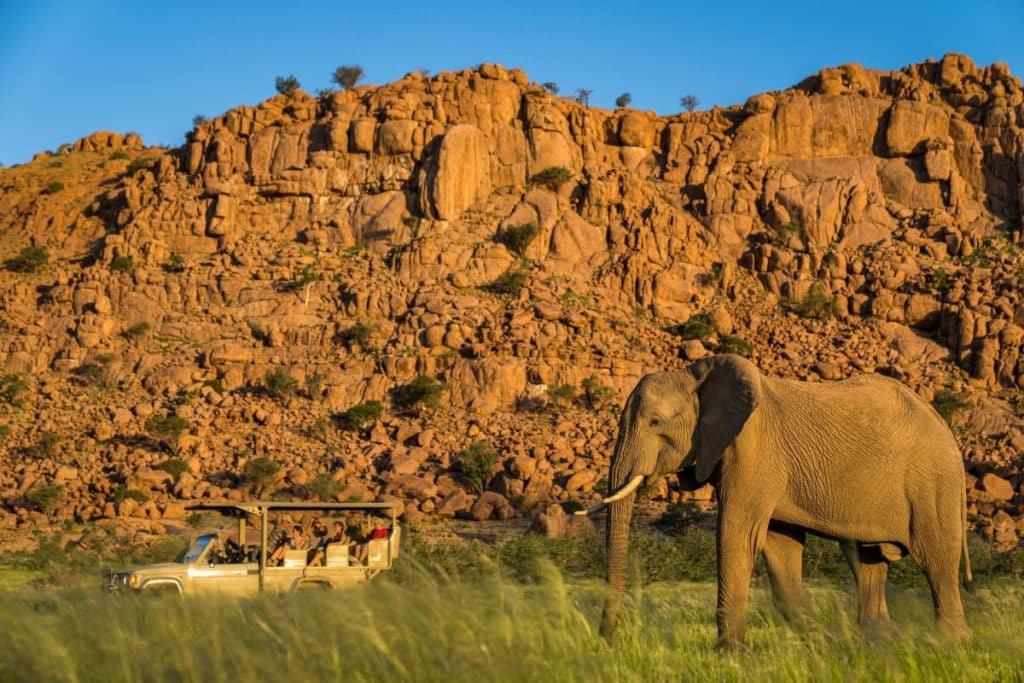
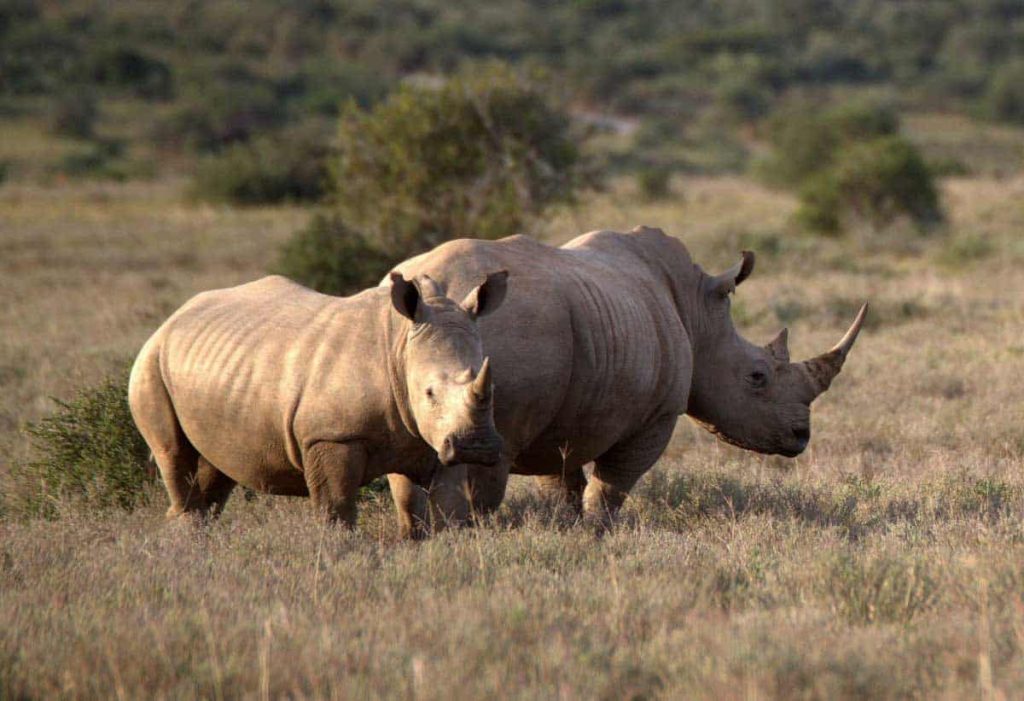
Namibia provides a special combination of wildlife and adventure experiences. There are conventional game drives in Etosha National Park to spot elephants, lions, and rhinos, or travel to the Kunene area to track the rare desert-dwelling elephants and black rhinos on foot. For those who want more variety, there are thrilling adventures such as climbing Dune 45, boat safaris in Walvis Bay to spot dolphins and seals, or plane rides over the eerie shipwrecks of the Skeleton Coast.
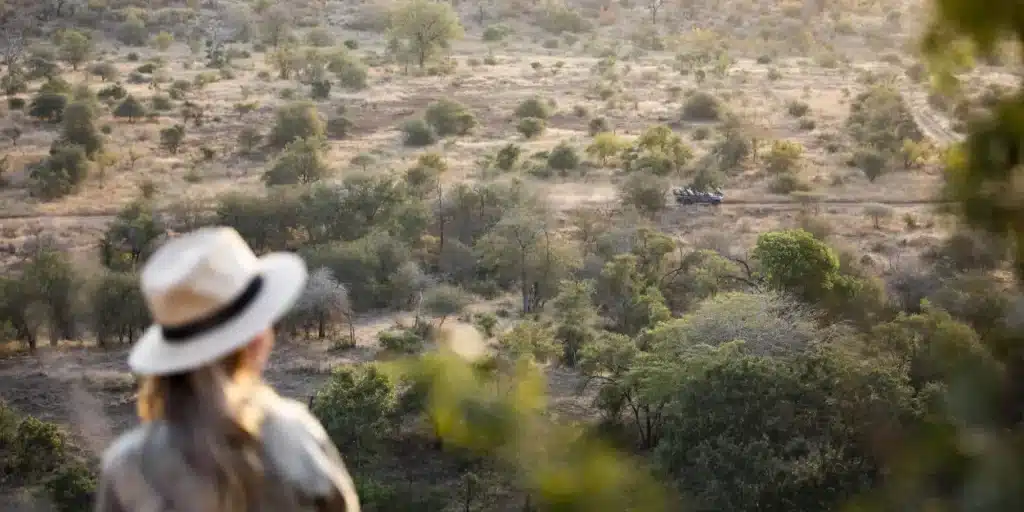
A safari in Namibia provides an opportunity to experience the desert in a way that is more than just a game drive. You can experience the waterhole theater at Etosha or go to Damaraland, which is one of the only places in the world where you can track desert-adapted elephants and black rhinos on foot.
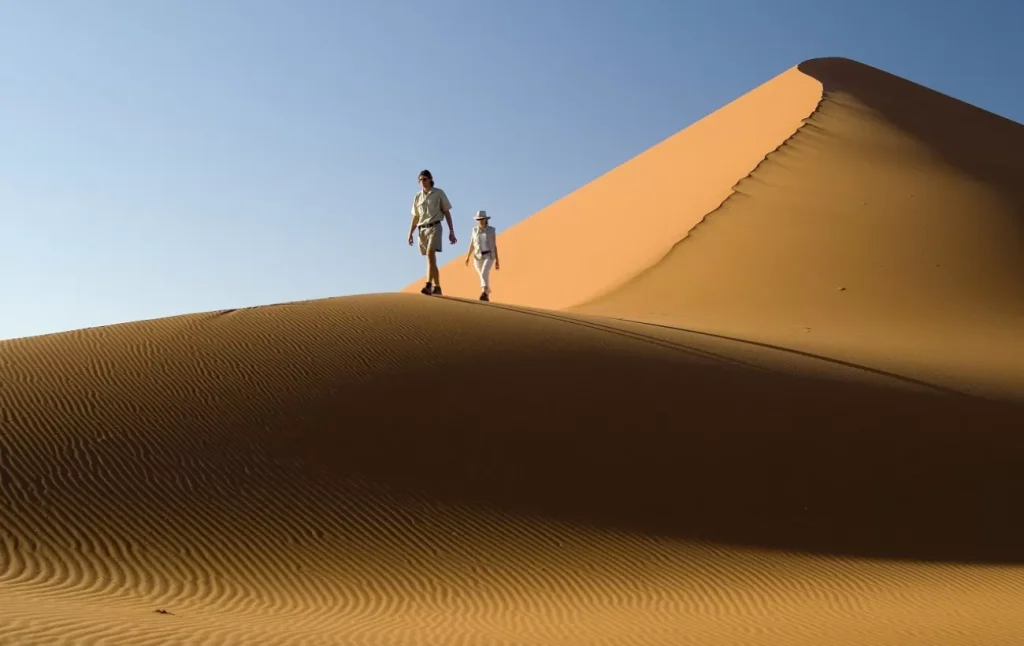
Most people want to climb the highest dunes in the world at Sossusvlei and Deadvlei during sunrise. Alternatively, you can take a scenic flight over the shipwrecks of the Skeleton Coast or go on a marine safari in Walvis Bay to see whales, dolphins, and sunfish.
Looking For a Safari in Africa?
Explore our collection of over 70 luxury African safaris. You can also contact us to design a bespoke, tailor-made adventure just for you.
Month by month Namibia Travel guide
brief travel guide to Namibia for holidays
Namibia’s safari calendar revolves around its distinct wet and dry seasons. The dry months, especially June to October, are ideal for game viewing, while the green season, November to March, offers rich birdlife and lush scenery, with better rates and fewer visitors. Choosing when to go depends on your priorities, whether it’s witnessing the famous elephant herds of Etosha, exploring the wild landscapes of Kalahari.
Namibia’s climate is quite variable. Although winter days are pleasantly warm, with an average temperature of 20°C to 25°C, desert nights can be very chilly, with temperatures close to freezing. On the other hand, the summer period (November to April) can be hot, with temperatures above 35°C, although this is known as the “green season” because of the lovely flowers and great bird-watching.
Best Time To Visit Namibia For Safaris
The dry season, which occurs from May to October, is generally regarded as the best time for a safari. Namibia, being a semi-desert, dries up rapidly when the rains are over, and animals are forced to gather around waterholes. Etosha National Park is particularly good during the dry season, when the vegetation is sparse enough for easy tracking of animals from July to September.
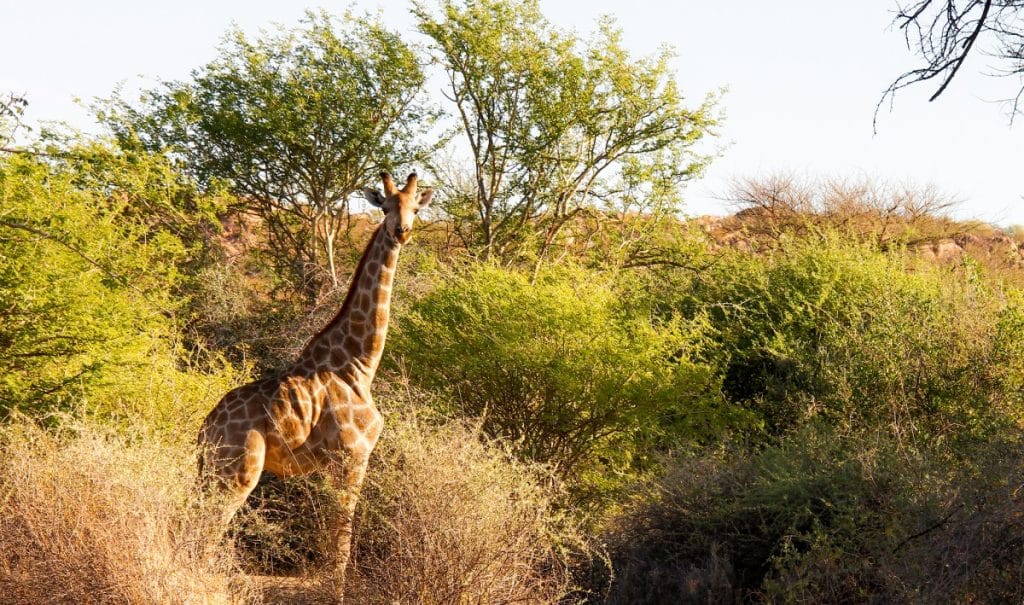
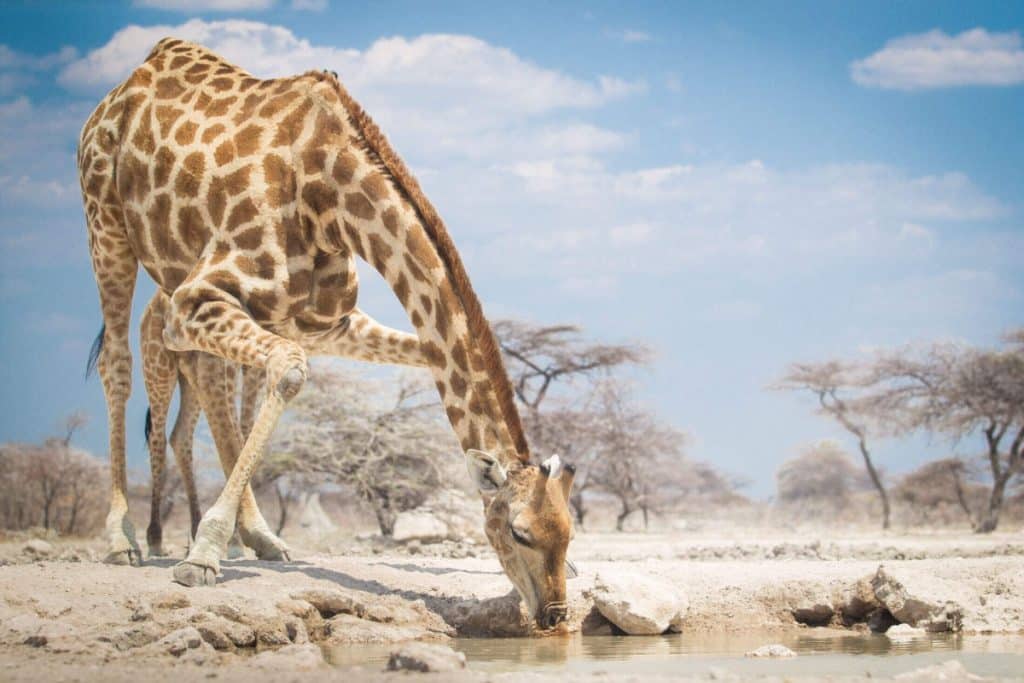
During this period, it is possible to sit at a single waterhole and observe a constant stream of lions, elephants, giraffes, and even the rare black rhinoceros in broad, cloudless blue skies with hardly any rainfall.
Though the dry season is the most sought-after time, the green season of the summer months from November to April is also full of its own special charm. This is when the desert is in bloom, and the salt pans are full of water, which brings thousands of pink flamingos to the area. This is the best time for bird enthusiasts, as many species migrate from Europe and other parts of Africa.
Those who do not mind the heat can enjoy reduced prices at luxury camps and have the entire place to themselves.
Namibia Safaris Seasonal Guide
The table shows the best time to visit Namibia by month, to help you plan your Namibia Safari perfectly, including seasonal guide.
| Season | January | February | March | April | May | June | July | August | September | October | November | December |
|---|---|---|---|---|---|---|---|---|---|---|---|---|
| Sossusvlei & Deadvlei | Fair | Fair | Fair | Fair | Fair | Good | Best | Best | Best | Best | Good | Fair |
| Etosha National Park | Fair | Fair | Fair | Fair | Fair | Good | Best | Best | Best | Best | Good | Fair |
| Kalahari Park | Fair | Fair | Fair | Fair | Fair | Good | Best | Best | Best | Best | Good | Fair |
| Onguma Conservancy | Fair | Fair | Fair | Fair | Fair | Good | Best | Best | Best | Best | Good | Fair |
| Swakopmund & Walvis Bay | Fair | Fair | Fair | Fair | Fair | Good | Best | Best | Best | Best | Good | Fair |
| Skeleton Coast | Fair | Fair | Fair | Fair | Fair | Good | Best | Best | Best | Best | Good | Fair |
Low Season
High Season
Peak Season
Detailed Month by month Namibia Travel guide
Namibia TRAVEL GUIDE - best safari guide to Namibia
To assist in planning, a month-by-month analysis will give you more particular information. January and February represent the peak of summer, with hot weather and the calving season, when you can witness baby zebras and springboks. March and April represent a stunning transition when the rains stop, and the land is at its greenest, providing a cool atmosphere for photographers.
May to June represents the start of the dry season, with golden landscapes and animals migrating to waterholes. July to September represents the peak of safari season with optimal visibility, followed by October when the temperatures are hotter just before the rains of November and December.
A month-by-month guide is a crucial part of planning the perfect Namibian safari, as the land and the animals’ behavior change drastically with the seasons. Whether you are looking for the green landscape of summer or the incredible game viewing of the dry winter months, it is important that your trip takes into account your travel objectives.
January
Green Season (Wet)
Temperature Range: 18°C – 35°C (64°F – 95°F)
January is the middle of the summer season in Namibia, with hot conditions and severe thunderstorms in the afternoons. The mercury often reaches 30-35°C during the day, and in the deep desert, it can even reach 40°C or higher. Although the humidity increases, the rain brings a welcome respite to the dry land, washing away the dust from the atmosphere and resulting in remarkably clear blue skies that are ideal for high-contrast landscape photography.
What to do in January
Best for a Safari in Swakopmund (for coastal cooling), Caprivi Strip (for birding), and Windhoek.
This is the peak period of wildlife birthing, during which tourists can see thousands of newborn springbok, zebra, and wildebeest taking their first steps. Although the dense greenery makes it difficult to spot predators, the bird-watching opportunities are excellent as migratory birds fill the sky. It is also an ideal time to head to the coast, where the Atlantic wind brings a welcome relief from the scorching heat of the interior.
February
Green Season (Wet)
Temperature Range: 18°C – 30°C (64°F – 86°F)
February carries on the humid summer pattern and is usually one of the wettest months of the year. The temperatures are still high, ranging around 30°C, and the scenery is a kaleidoscope of colors as it turns into an emerald paradise. Afternoon showers are frequent but normally brief, leaving the desert radiating under the evening sun. This is the best time to witness the bloom of the desert as lilies and wildflowers make a rare appearance from the sand.
What to do in February
Best for a Safari in Swakopmund (for coastal cooling), Caprivi Strip (for birding), and Windhoek.
The water is plentiful, and the wildlife is spread out, but the scenic beauty provides a different experience of Etosha National Park. It is one of the best months for birdwatchers, especially in the Caprivi Strip and Walvis Bay, where huge populations of greater and lesser flamingos congregate in the lagoons. The minimal number of visitors and reduced lodge prices make it the best time for budget travelers who want a more secluded and picturesque experience.
March
Green Season (Wet)
Temperature Range: 17°C – 30°C (63°F – 86°F)
With the coming of March, the heavy rains of the summer season begin to dwindle, although the atmosphere is still warm and filled with moisture. The average high temperatures are around 28°C to 30°C, while the evenings begin to feel slightly cooler and more pleasant. The dust has not yet settled, and the air is still clean and crisp, providing some of the best conditions of the year for photographing the deep greens of the bush against the orange dunes.
What to do in March
Best for a Safari in Swakopmund (for coastal cooling), Caprivi Strip (for birding), and Windhoek.
Game viewing is still centered on the green safari experience, with many young game animals present in the plains. This is a great time to visit the Skeleton Coast, as the stormy rains of the summer season cause the seas to churn into dramatic swells around the haunting shipwrecks. The Enjando Street Festival in Windhoek also occurs this month, providing a colorful glimpse into the music, dance, and culture of Namibia.
April
Shoulder Season (End of Wet Season)
Temperature Range: 13°C – 26°C (55°F – 79°F)
April is a great transitional period as Namibia moves into its autumn season. The rains are now a distant memory, and the humidity is lower, resulting in a cool, crisp atmosphere with average temperatures of 26°C. The evenings start to cool off to around 12°C, making for pleasant sleeping conditions. The scenery is still lush and green, but the grass begins to thin out, signaling the start of wildlife viewing.
What to do in April
Best Destinations: Fish River Canyon (for hiking), Damaraland, and Etosha National Park.
This is generally recognized as one of the best months for all-around photography, as you have the advantage of green backdrops without the danger of rain. As the waterholes start to dry up, the animals begin to migrate back to the permanent water sources in Etosha. It is a great time of year for a self-drive safari, as the roads are still in good condition from the rains but before the dust of the high season.
May
Shoulder Season (Start of Dry Season)
Temperature Range: 9°C – 24°C (48°F – 75°F)
May signals the beginning of the dry season in winter, with clear and cloudless skies that will prevail for the next few months. The temperatures are quite pleasant, with highs of only 23°C, although the nights can be quite chilly, with temperatures plummeting to 9°C. The air is also much drier, and the vegetation that was so lush during the summer months will now turn a golden brown, making it much easier to spot the big cats and rhinos.
What to do in May
Best Destinations: Etosha National Park, Sossusvlei, and the Kunene Region.
The game viewing is also much better this month as the animals begin to congregate around waterholes more predictably. It is the start of the prime season for desert-adapted elephant tracking in Damaraland. The cooler weather also makes it an ideal time for more active pursuits, such as hiking in the Fish River Canyon or climbing the famous Big Daddy dune in Sossusvlei.
June
Dry Season (High)
Temperature Range: 6°C – 21°C (43°F – 70°F)
June is the first month of proper Namibian winter, with bright and sunny days and very chilly nights. Although the sun is warm enough during the day to maintain a pleasant average temperature of 21°C, desert nights can be close to freezing temperatures. It is crucial to include warm clothing in your luggage for early morning game drives, as the wind chill in open safari vehicles can be quite biting until the sun rises higher in the sky.
What to do in June
Best Destinations: Etosha National Park (for predators), Damaraland, and Kaokoveld (Himba villages).
It is a great time for animal lovers who do not want to contend with the enormous numbers of tourists that July and August bring. The vegetation is thin, and the dust levels are not yet extreme, making it easy to spot lions and leopards. As it is still a shoulder season month, you may find better availability at high-end lodges while still taking advantage of the exceptional game viewing that the dry season offers.
july
Dry Season (High)
Temperature Range: 5°C – 21°C (41°F – 70°F)
July is the peak of the safari season and is usually the driest month of the year. The days are warm with temperatures ranging around 21°C, but the nights are extremely chilly, with temperatures often dropping below 5°C in the interior plateaus. The skies are a brilliant blue with not a cloud in sight, and the probability of rain is zero. This is the best time for stargazing in Namibia’s International Dark Sky Reserves, where the Milky Way is breathtakingly visible.
What to do in july
Etosha National Park, NamibRand Nature Reserve (for stargazing), and Walvis Bay.
In Etosha National Park, the waterhole theater is at its most spectacular. Large herds of elephants, giraffes, and different antelope species gather around the dwindling waterholes, often closely followed by predators. This is also the best time for a Fly-In safari over the Skeleton Coast, as the clear winter skies offer breathtaking views of the desert landscape meeting the Atlantic Ocean.
August
Dry Season (Peak)
Temperature Range: 7°C – 24°C (45°F – 75°F)
August is probably one of the best months to visit Namibia, with excellent game viewing and pleasant and predictable weather. The temperatures increase slightly during the day to an average of 24°C, but it is still quite cool at night. The scenery is now extremely dry and barren, making it the perfect African Safari landscape. This is also the peak holiday season for international travelers, so bookings at the lodges are usually well in advance.
What to do in August
Best Destinations: Etosha National Park, Cape Cross Seal Reserve, and Twyfelfontein Rock Art.
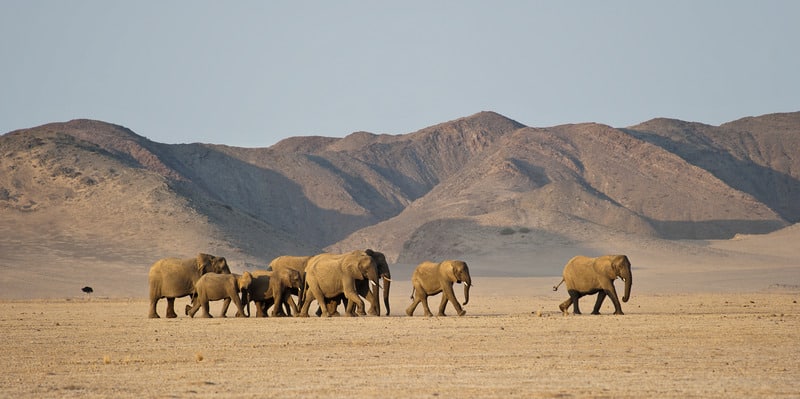
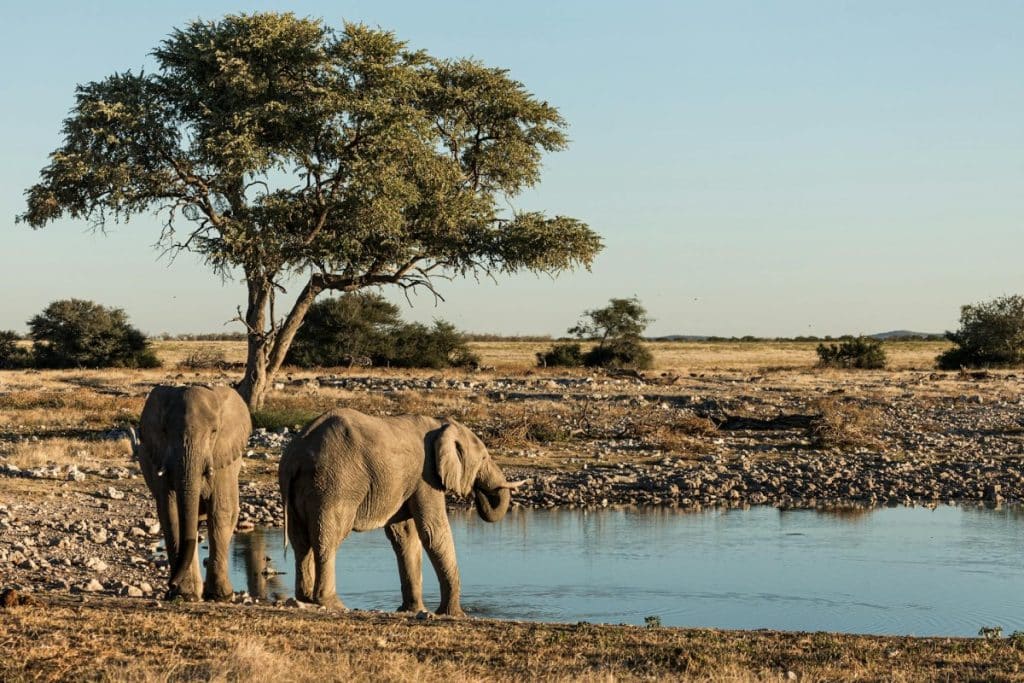
The game viewing in Etosha and Damaraland is excellent, as the animals are completely reliant on the waterholes. For something different, travel to the coast to view the Cape Cross seal colony, which is teeming with life during this time of the year. August is also the best time to explore the southern parts of Namibia, such as the Ai-Ais Richtersveld, where the wild spring flowers may start to bloom in the desert valleys.
September
Dry Season (High)
Temperature Range: 12°C – 29°C (54°F – 84°F)
September is the beginning of spring, and the average temperature starts to rise. The highs during the day reach 27°C to 30°C, and the harshness of the winter nights starts to dissipate. It is still very dry, and the ground can become quite dusty, but the clear skies and pleasant evenings make it one of the best months for camping and outdoor dining.
What to do in September
Best Destinations: Damaraland (for rhino tracking), Walvis Bay (for whale watching), and Etosha.
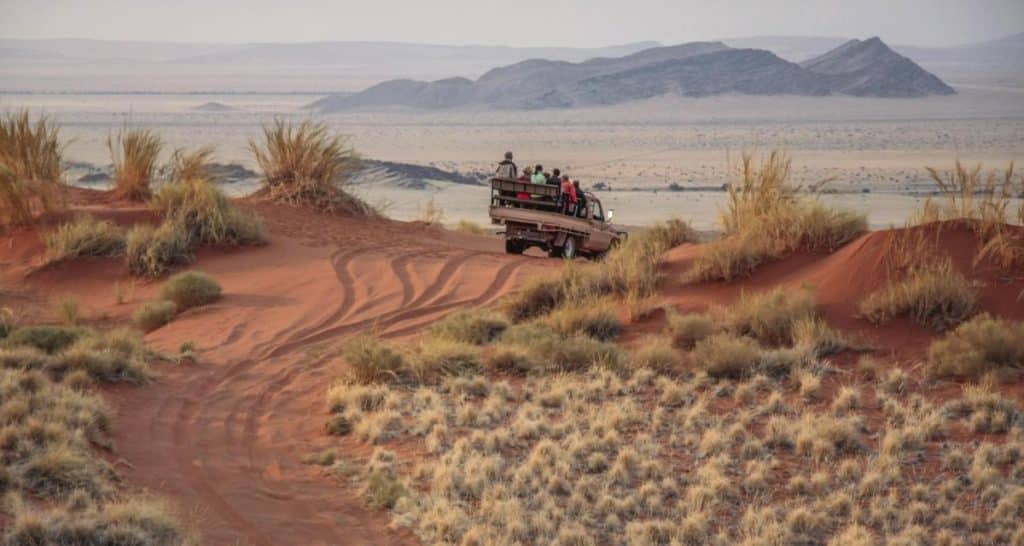
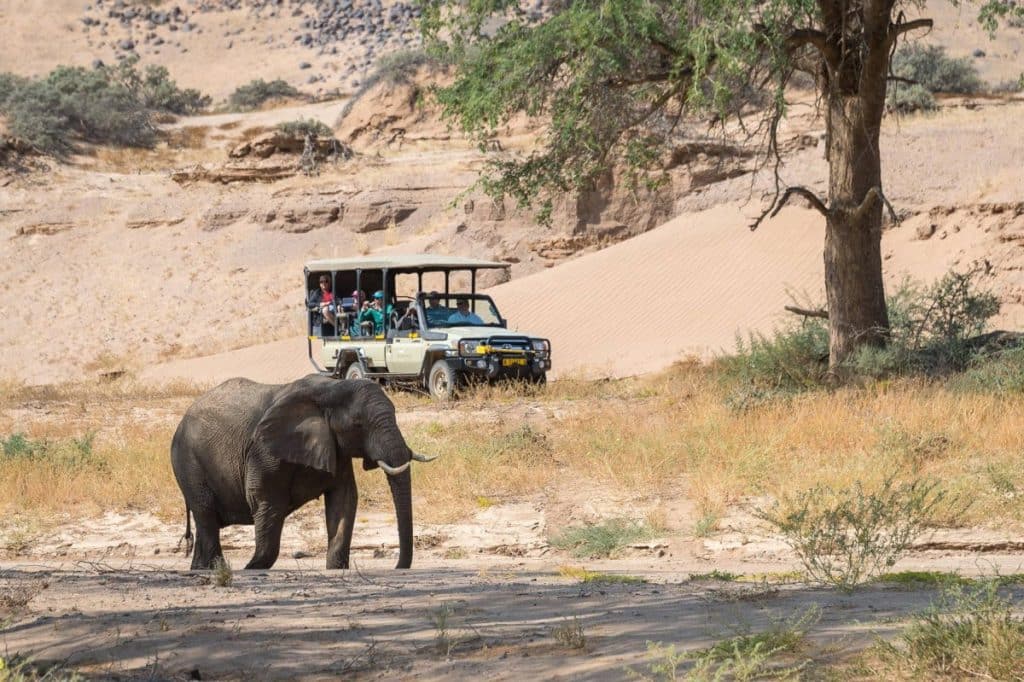
It is said to be one of the best months for a safari by experts. The animals are still massed around the waterholes, but the rising temperatures mean that you won’t need as much heavy clothing for the early morning game drives. It is a good time for whale and dolphin viewing in Walvis Bay, as southern right whales and humpbacks can be seen along the coast during their annual migration.
October
Shoulder Season (Hot, Start of Green Season)
Temperature Range: 15°C – 34°C (59°F – 93°F)
October is the grand finale of the dry season and is usually the hottest month of the year. The temperatures reach 32°C to 38°C (90°F-100°F) during the day, and it can be very hot. However, the humidity is low, and the first clouds of the rainy season begin to form in the late afternoons.
What to do in October
Best Destinations: Etosha Pan (for peak wildlife), Kaokoveld, and Windhoek (for Oktoberfest).
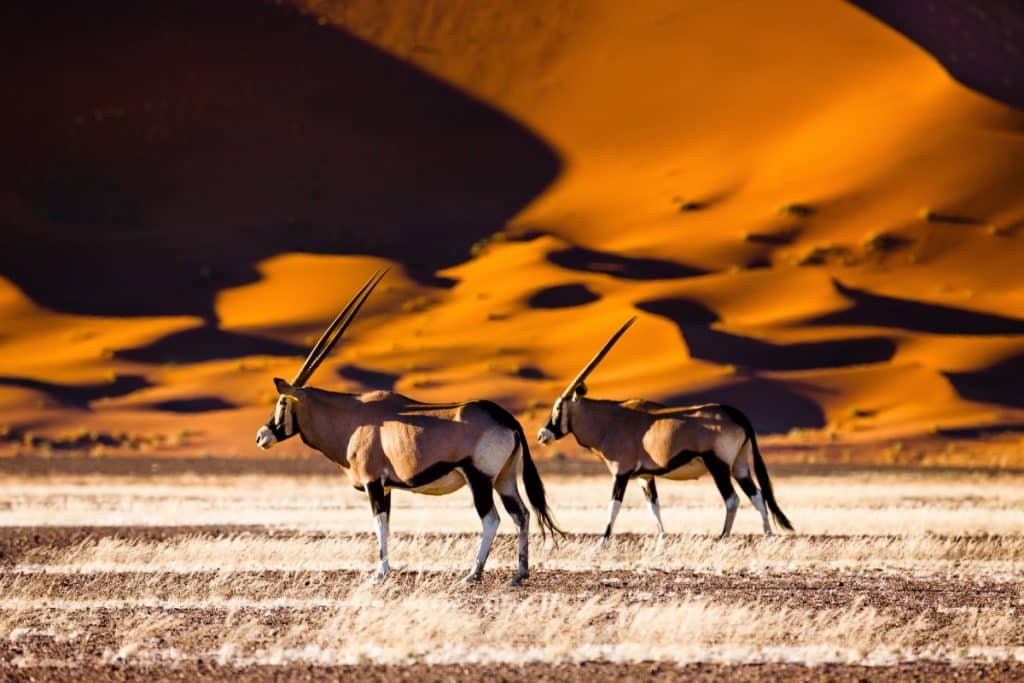
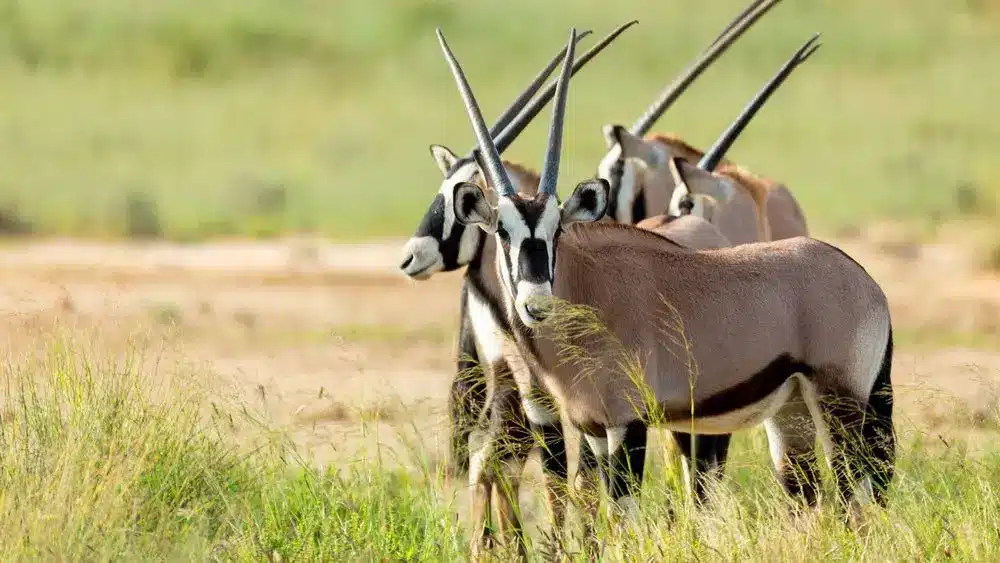
Despite the heat, the game viewing is perhaps at its very best. The hot and dry conditions mean that all the animals are concentrated at the waterholes, resulting in spectacular predator-prey action. If you can stand the heat, the payoff is an unbelievable amount of game. The best places to visit in October are the Etosha salt pans and the Kaokoveld for desert-adapted species.
November
Shoulder Season (Early Rains Begin)
Temperature Range: 16°C – 32°C (61°F – 90°F)
November is a transitional month where the short rains begin to occur. The temperatures are still high, ranging from 16°C to 32°C (61°F-90°F), but the onset of the first afternoon thunderstorms brings a sudden change in the atmosphere. The storms are usually spectacular, with huge lightning shows. The rain brings a sudden end to the dust and a burst of fresh green grass.
What to do in November
Best Destinations: Waterberg Plateau, Caprivi Strip (for migratory birds), and Sossusvlei.
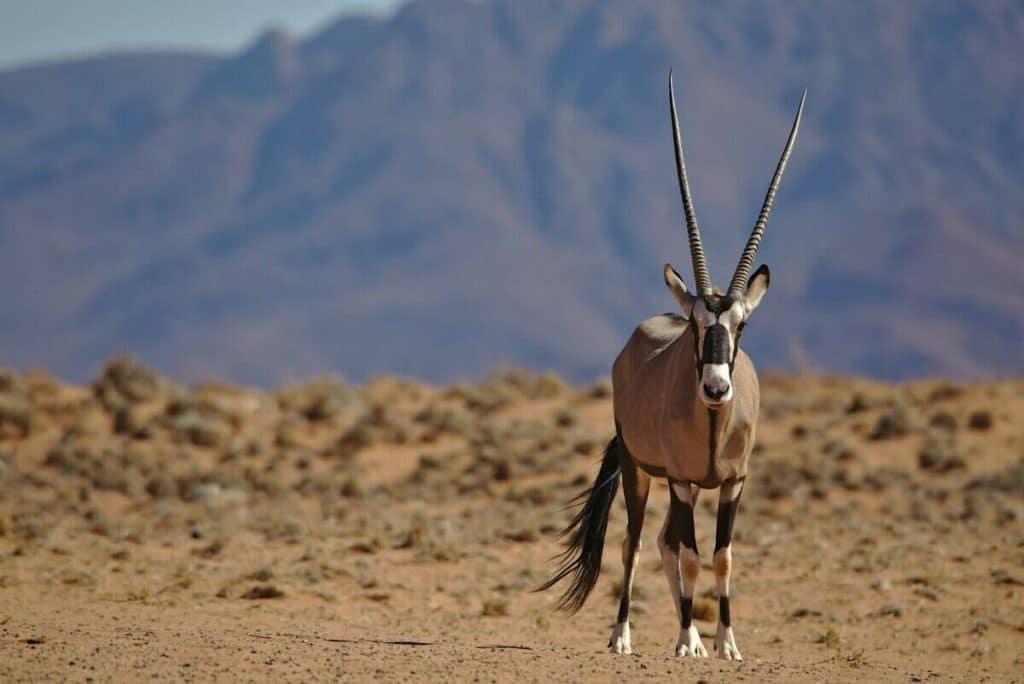
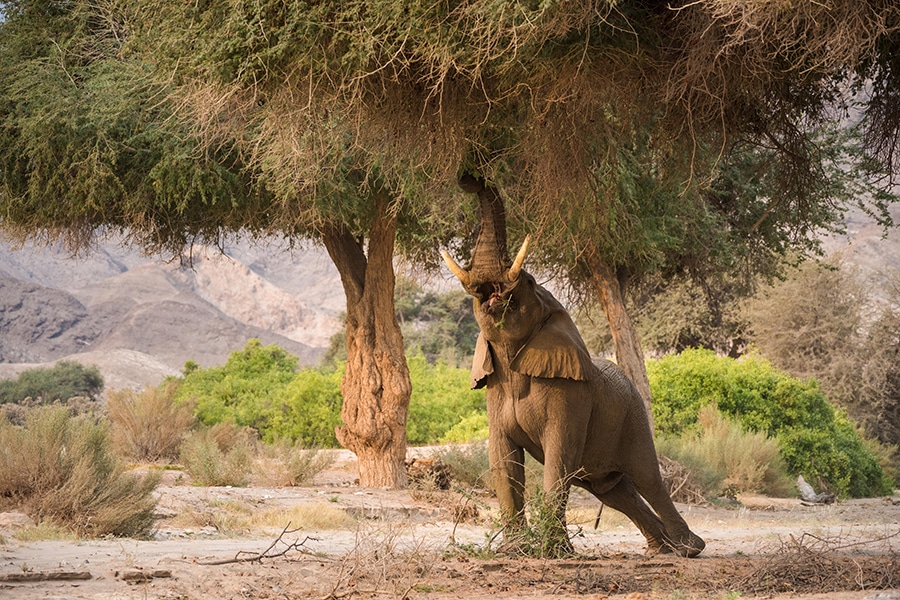
As the rains begin, the pressure on the waterholes begins to ease, and the animals begin to move away. This is the beginning of the quiet season, making it an ideal time for those travelers who like to have the places to themselves. November is a good time to visit the Caprivi Strip for the arrival of migratory birds and the Waterberg Plateau Park for hiking and rhinoceros viewing.
December
Shoulder Season (Early Rains Begin)
Temperature Range: 18°C – 34°C (64°F – 93°F)
December is the middle of summer in Namibia, with hot days and a welcome afternoon rain shower. The temperatures are still high, sometimes reaching 35°C (95°F), but the rain makes the evenings very pleasant, ranging from 18°C (64°F). The scenery changes dramatically as the landscape turns a vibrant green overnight, and the desert pans start to fill with water.
What to do in December
Best Destinations: Swakopmund (for coastal activities), Erongo Mountains, and the Zambezi Region.
Although many animals will have moved away from the main roads to give birth, the “baby boom” season is a heartwarming experience for those who are willing to wait. The coastal towns are filled with holidaymakers, creating a lively and festive atmosphere. Popular December destinations include Swakopmund for beach activities and the Erongo Mountains for their scenery and rock paintings.
Top Namibia Safaris and Tour Itineraries
Best Customised Namibia Safari itineraries
Cheetah Safaris offers private safaris in Namibia’s most famous landscapes and destinations. Whether you choose to fly on a flying safari or go on a guided car drive, we will ensure that you have a private encounter with the wildlife and enjoy the most spectacular views in the most remote areas of Namibia.
Our luxury safaris are designed for travelers who require specialized attention, such as expert German-speaking guides. We aim to provide the best quality and personalized attention to our guests, as well as the opportunity to see cheetahs in their natural habitat.
Book Your Namibia Safari Holidays with Cheetah Safaris
Cheetah Safaris provides customized, luxury Namibia safari vacations, specializing in guided, private, and flying safaris to the best destinations in Namibia, including Etosha National Park, Sossusvlei, and the Kunene Region. With 15 years of experience in the industry, they offer expertly led, sustainable, and safe travel adventures, including exclusive, wildlife-centered, and comfortable camping safaris, for a memorable and expertly guided adventure in Namibia.
To make your Namibia safari holiday a memorable one, we can tailor every detail of your trip to suit your interests. Whether you are planning a romantic Honeymoon Safari at a secluded desert lodge overlooking the Sossusvlei dunes or a family adventure with sunset drives across the Etosha salt pans, we are committed to making your trip a lifelong memory.
Financial Protection
You are guranteed of a safe, and peace of mind booking process, and as well safari payments. We ensure that your payments are secure and safe.
Sustainable Practices
Keeping in mind our efforts in wildlife, environment and natural resources protections, we are sustainable travel conscious and aware.
Ground Safari Expert
We Know Africa more than any one. We love taking our guests to the less explored destinations. Experiencing the magical touch of African Wild.
Positive Impact
Our Safaris are not only sustainable, but create very positive impacts to so many. We engage in school programmes, that inspires our future leaders.
17 Years of Experience
Cheetah Safaris has a combined of 69 years of safari expertise and practice in Africa. We will take care of your safari from arrival till departure.
Proffessional Guides
We have the best safari guides in East Africa. All our guides are Silver and Gold Guides. Hence you will learn so much with them while on safari.
Namibia safaris FAQs
Having Questions? Learn about our Namibia Safaris Bookings Q&A
If you have any questions regarding any of our Namibia Safari tours, you may find your answer below in our most frequently asked questions. However, don’t be afraid to get in touch if your query is not included for our experts to help you design your best Bush and Namibia Safaris.
Our team is happy to help discuss any of our safari packages, destinations, or general information, so you have peace of mind! Get in touch with us now.
When is the best time to visit Namibia?
The dry season, which is May to October, is the best time to go for a safari in Namibia, with July to September being the peak months for a game safari, especially in Etosha National Park. This is because the weather is cool and dry, and the animals congregate around waterholes, providing excellent game viewing opportunities.
Is it safe to do self drive in Namibia?
Yes, self-driving in Namibia is relatively safe and is considered one of the best ways to explore the country, which is renowned for its excellent road network and stunning landscapes. The only risk is environmental, such as gravel roads and getting a flat tire.
What should I pack for namibia Safari?
When it comes to packing for a Namibia safari, one should focus on light and neutral-colored clothing that can withstand the extreme temperatures, basic sun protection, and durable safari gear. The most essential clothing one needs for a Namibia safari are long-sleeved shirts, lightweight pants, a warm fleece jacket, hiking boots, a wide-brimmed hat, binoculars, and a good camera with zoom lenses.
What is the best way to travel in Namibia?
The most popular mode of transportation within Namibia is by road (self-drive), as it provides the flexibility to explore the country’s scenic landscapes. Although charter flights are faster and more convenient, they are costly and restrict the amount of luggage that can be carried, whereas driving is essential for destination experience.
Do I need a visa to visit Namibia?
Whether or not you require a visa to enter Namibia depends on your nationality. Nationals of many countries, including the US, UK, Canada, Australia, and several EU and African countries, do not require a visa for stays of 90 days or less. However, from April 1, 2025, some, including non-reciprocating countries, will require a visa on arrival or e-visa.
Pack For a Purpose
Cheetah Safaris is a serious advocate of sustainable safari practices in Africa. As part of our efforts and initiative, we engage and support schools and children who need knowledge to better their lives. The best gift a child can be given is education, skills, and creativity.
In this case, we request our guests booking with us, to bring an extra back of supplies. This can be in terms of books, sports materials, and any other items that would change the lives of these kids.
- Education
- Sustainable Travel
- Wildlife Conservation
Let us help you customize your trip
Like all of our holidays on this site, this is just an idea. All of our trips are tailor-made, so we’ll always adapt them to suit you.
Talk to an Expert
Browse our Cheetah Safaris Website. We’ll match you with a Specialist in our team who is best suited to help you plan your next safari adventure. To start, submit your Safari Inquiries.
Prepare for your trip
Our Safari experts will be of help in planning your safari from start to end. They will advise you on all that you need to pack and travel documents, too. They will be ready to answer any queries you have.
When you return
We would love to hear from you about your trip with us. Your feedback will help us always work better and try to be the best. You can leave your review on our Reviews Page or TripAdvisor Page.
Partners / Memberships
People who always support and endorse our good work