


- Understanding Kenya’s rainy seasons
- What a rainy season safari really looks like in Kenya
- Wildlife viewing during the wet season
- Best places to visit during Kenya’s rainy season
- Fewer crowds and lower costs
- Getting around during the rainy season
- When to travel during the rainy season
- Tips for planning a successful rainy season safari
Kenya is often thought of as a place of dry savannahs and stunning wildlife encounters under clear skies. However, going on a Kenya safari during the rainy season offers a different and often overlooked experience.
The wet season transforms the landscape into vibrant greenery, lowers visitor numbers, and creates unique opportunities for wildlife photography. Travelers who prefer quieter game drives, dramatic skies, and better deals will find that a Kenya wet season safari can be a great option compared to the peak travel months. Knowing what to expect during this time helps with planning.

Understanding Kenya’s rainy seasons
Kenya has two main rainy periods each year.
The long rains usually happen between April and early June. During these months, rainfall tends to be heavier and more consistent, especially in late afternoons or overnight.
The short rains typically fall between October and December. Rain during this time is generally lighter and more scattered, with sunshine often returning quickly after brief showers.
While rain patterns can vary slightly by region, these two periods outline the Kenya safari rainy season. Learning the months that match your travel plans is necessary when choosing the best time to visit Kenya’s safari spots.

What a rainy season safari really looks like in Kenya
Many first-time visitors picture unending rain and impassable roads. In reality, rain rarely lasts all day.
Showers tend to be brief, leaving behind cooler air and refreshed landscapes. The scenery turns lush, rivers swell, and dust settles.
Game drives continue during the rainy season, though flexibility is sometimes necessary. Conditions can change quickly, and skilled guides adapt routes as needed.
A rainy-season safari in Kenya feels more peaceful and intimate than during peak months.
Wildlife viewing during the wet season
Wildlife does not vanish during the rains. Most species stay in the area year-round.
Game viewing and predator activity
Predator activity remains steady during the rainy season. In some cases, cooler temperatures can increase daytime movement compared to the hotter dry months.
However, with denser vegetation, animals may be a bit more spread out. More abundant water sources mean wildlife is not concentrated around limited watering holes.
While spotting animals takes more patience, experienced guides excel at tracking wildlife even in greener areas.
For travelers interested in dramatic predator hunts linked to migration patterns, dry season months may be preferable. For those looking for diverse wildlife encounters in quieter settings, the Kenya low-season safari offers excellent value.
Birdlife and photography during the rains
The rainy season is especially attractive to bird lovers.
Many migratory species arrive during the wet months, boosting overall bird diversity. Lakes and wetlands become especially lively, offering great opportunities for bird photography.
Landscape photography also benefits. Storm clouds, dramatic skies, and vibrant greens create striking backdrops. Photographers often enjoy the softer, diffused light that follows rain showers.
For those seeking photography tips for a Kenya safari, the rainy season has unique creative chances.
Best places to visit during Kenya’s rainy season
Not all areas perform similarly during heavy rainfall, but several regions are still great choices.
The Masai Mara continues to host lots of wildlife all year. While some roads become muddy during the long rains, wildlife viewing remains rewarding.
Lake Nakuru is appealing in the wet months due to its birdlife and changing water levels.
Amboseli, famous for its views of Mount Kilimanjaro, can provide stunning photographic opportunities when the skies clear after rainfall.
When planning a Kenya safari in April, May, June, or October to November, seek local advice to choose regions with good access and reliable viewing conditions.
Amboseli National Park
Amboseli National Park is perhaps the highlight of the rainy season because of its distinct geology. The fact that the park lies on an ancient lake bed with volcanic soil means that the park’s major trails are always in surprisingly good condition, even after the heaviest rainfall.
With the rain clearing the dust from the air, the fog lifts, and the most spectacular views of Mount Kilimanjaro’s snow-capped peaks are presented, making for an unparalleled setting for wildlife photography.
It is during this period that the park’s permanent swamps, which are sustained by underground springs from the mountain, come alive.
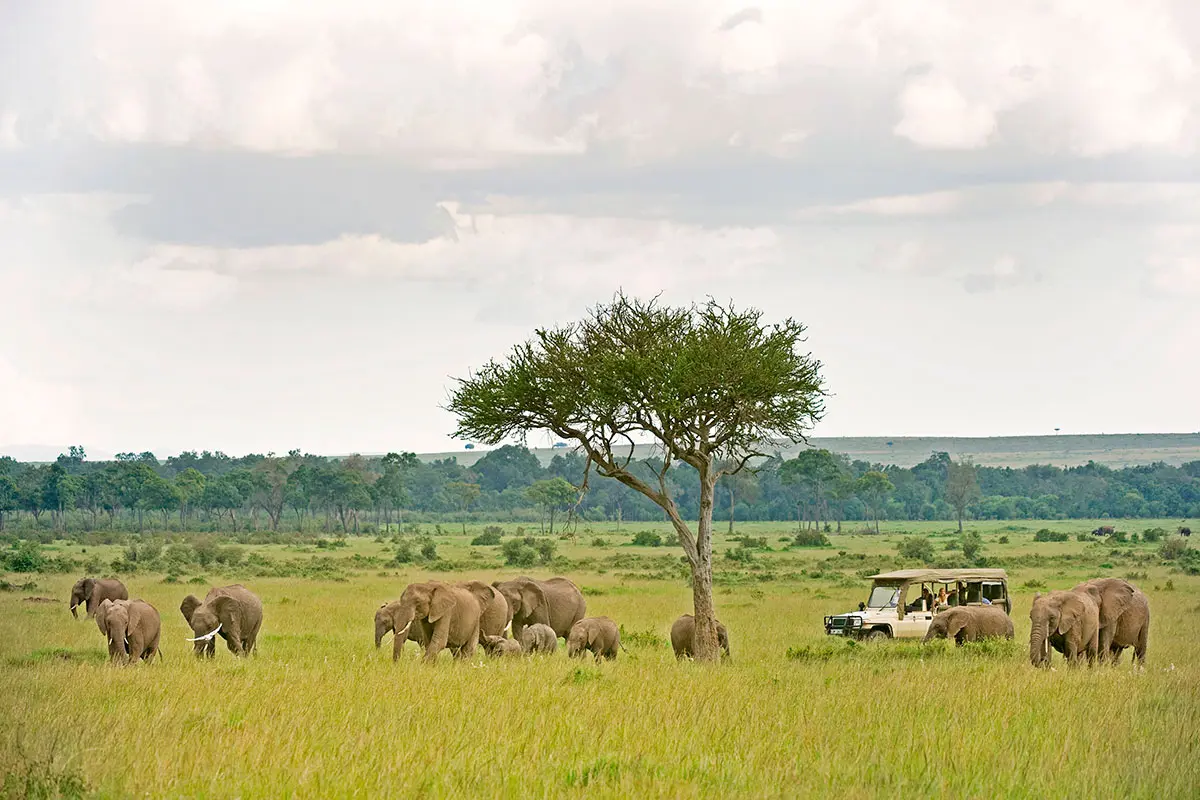
Herds of elephants, led by the largest males, gather in these lush wetlands, wading deep into the emerald-green grasses. You will also see the annual Lake Amboseli fill up with water, which draws thousands of flamingos and other waterbirds.
Masai Mara National Reserve
The Green Season in the Maasai Mara is a season of rebirth and action-packed predator-prey encounters. While the rains bring life to the grasslands, the savannah is clothed in a lush tapestry of long grasses and colorful wildflowers.
This is the peak time of births for many herbivores, such as wildebeests, zebras, and several species of gazelles. Witnessing thousands of unsteady-legged calves taking their first tentative steps is a joyous experience that defines the reserve during these months of plenty.
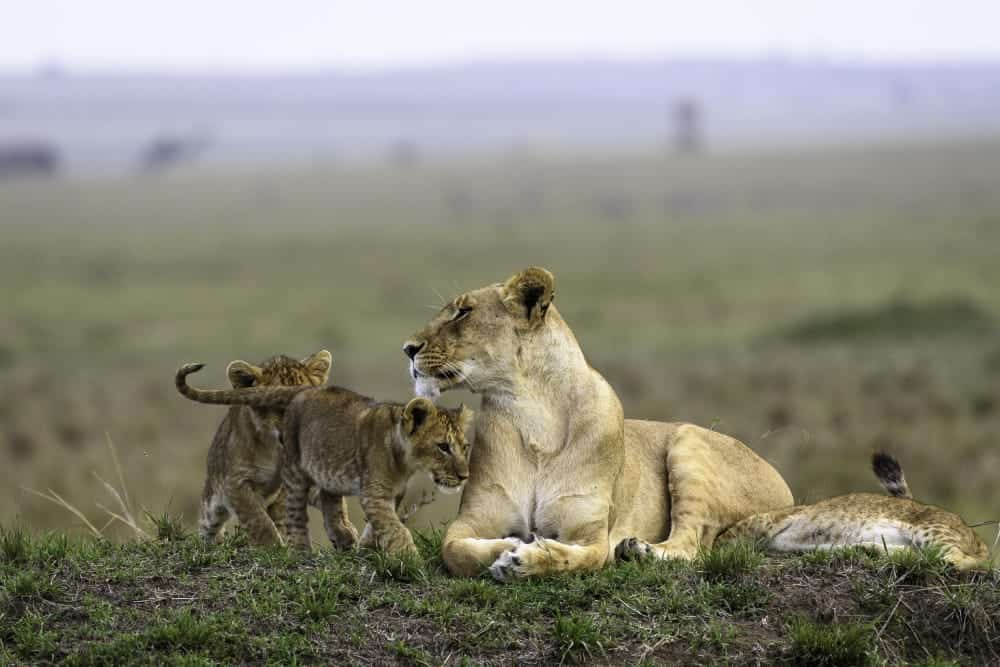
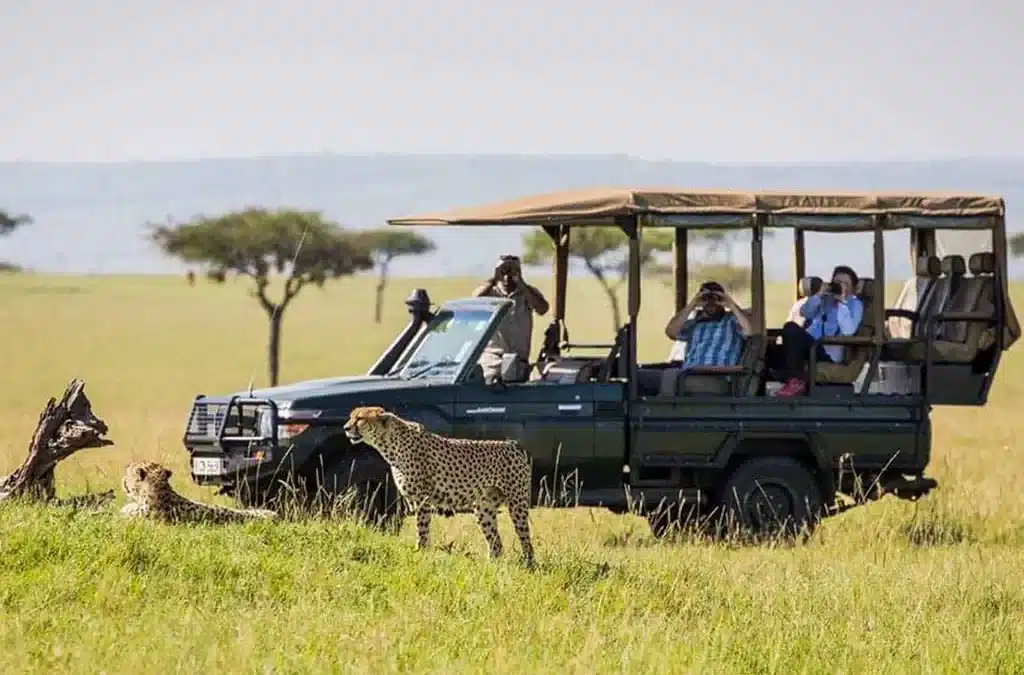
But with the abundance of young, easy prey comes the presence of the Mara’s legendary big cats. Lions, leopards, and cheetahs are at their most active, using the dense vegetation to sneak up on their unsuspecting quarry.
As a photographer, the soft focus and dramatic storm clouds of the late afternoon offer a cinematic quality that simply cannot be found during the dry season. And with the absence of the peak tourist season, you can often experience these electrifying encounters in complete solitude.
Lake Nakuru National Park
Lake Nakuru is one of the most dependable destinations during the rainy season, given that most of the park is readily accessible via well-constructed, paved, or murram roads.
The increased water levels of the lake cause the concentration of algae to change, which in turn affects the movement of the flamingos found in the park. Apart from the pink coloration, the acacia trees and fever trees surrounding the lake turn a bright green, creating a beautiful contrast to the lake.
Birders will find the rainy season to be nothing short of spectacular, given that the rainy season brings thousands of migratory birds from Europe and North Africa.
Over 450 species have been recorded in this park, and the Green Season is the best time to see them in their bright breeding colors. Moreover, Nakuru is one of the best places to see black and white rhinos in Kenya, which are often found grazing on the succulent grasses near the shoreline.

Fewer crowds and lower costs
One of the biggest advantages of a Kenya wet season safari is the smaller number of tourists.
Peak months, especially during the Great Migration, can lead to crowded parks. In contrast, during the rainy season, game drives often feel more private.
Lower demand also means more affordable Kenya safari packages. Many lodges reduce rates during the low season, making luxury experiences more attainable.
Budget-conscious travelers seeking value without compromising quality, the Kenya low-season safari is an attractive choice.
Getting around during the rainy season
Planning transportation is especially important during the wet months.
Road travel vs flying safaris
Road travel is common, but certain routes may take longer due to muddy conditions, especially during the long rains.
Flying safaris are often suggested during this time. Domestic flights reduce travel time and help avoid tough road segments. They also offer scenic aerial views of the landscape.
For travelers prioritizing comfort and efficiency, fly-in itineraries can enhance the rainy season safari experience.
When to travel during the rainy season
Understanding the differences between the two rainy periods helps set expectations.
April to June
The long rains usually bring heavier rainfall. Travelers going on a Kenya safari in April, May, or June should expect greener landscapes and possibly tougher road conditions in some areas.
However, this season offers some of the lowest rates and the quietest parks.
October to December
The short rains are typically lighter and more scattered. A Kenya safari in October or November often combines reasonable weather with fewer crowds before the busy holiday season begins.
Travelers who prefer a mix of value and accessibility will find this time to be particularly appealing.
Tips for planning a successful rainy season safari
Flexibility is crucial when planning a rainy season safari in Kenya.
Consider these practical tips:
- Choose experienced guides who understand seasonal conditions.
- Build flexibility into your itinerary.
- Pack waterproof layers and protective covers for electronics.
- Consider fly-in options to reduce long road transfers.
- Be prepared for denser vegetation.
Good communication with your safari planner ensures that route choices and accommodations match the seasonal realities.