Discover Mount Kenya National Park
Mount Kenya National Park, located in central Kenya, encompasses Mount Kenya, the second-highest peak in Africa at 5,199 meters. The park is known for its breathtaking landscapes, including rugged peaks, glaciers, dense forests, and alpine moorlands.
Key Attractions in Mount Kenya National Park
- Mount Kenya Peaks: The mountains three main peaks, Batian (5,199m), Nelion (5,188m), and Point Lenana (4,985m), offer challenging climbs and spectacular views. For non-technical climbers Point Lenana is the most accessible.
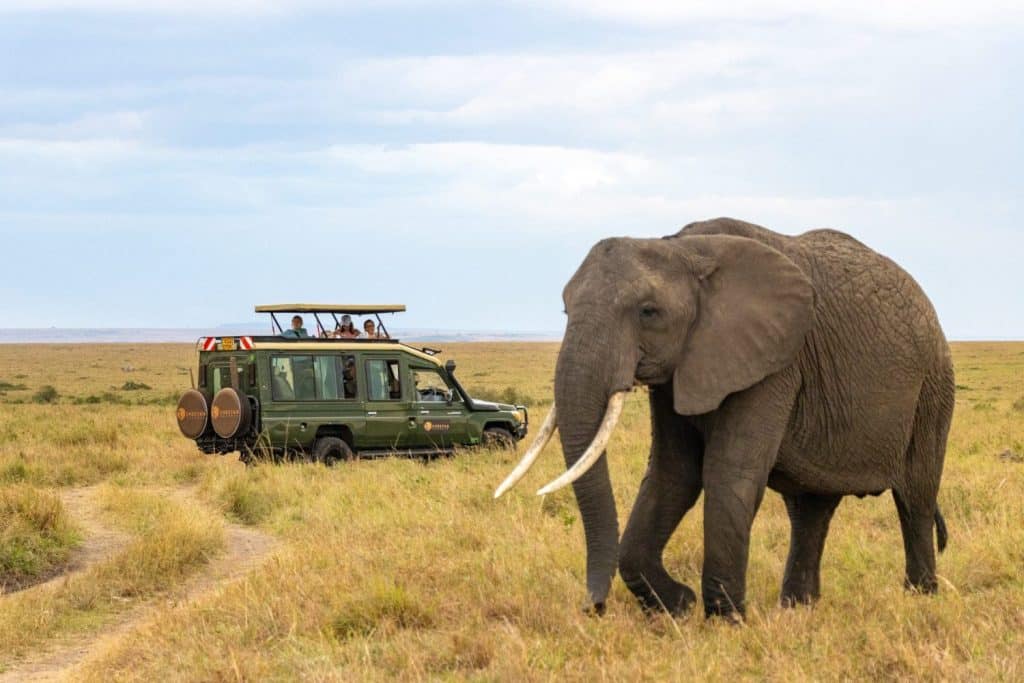
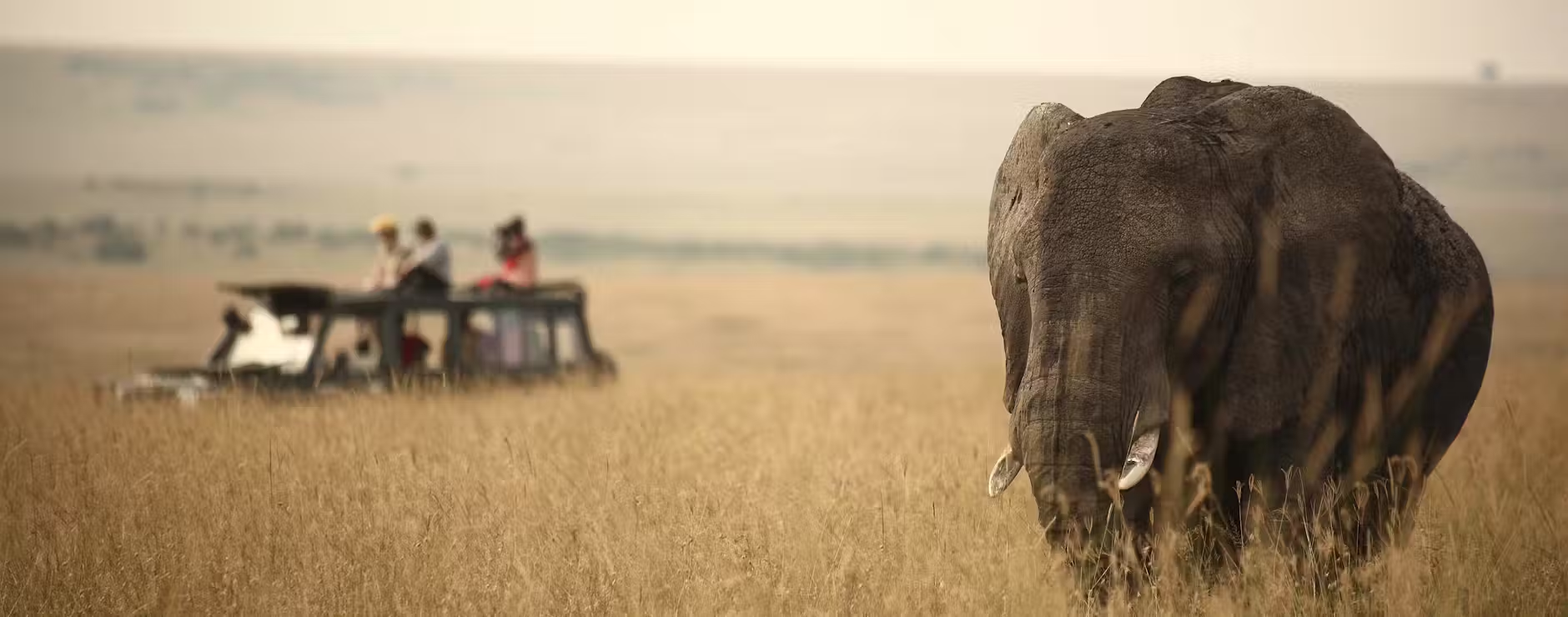
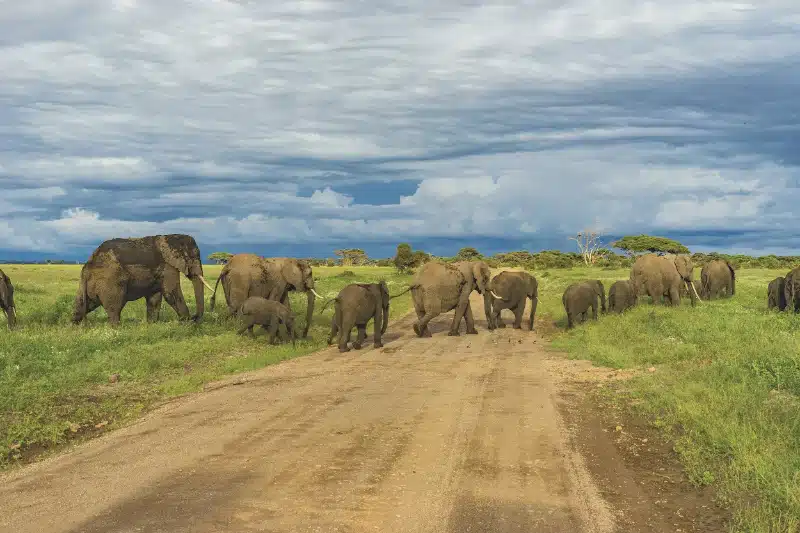
- Wildlife: The park is a home to elephants, buffaloes, antelopes, hyenas, tree hyrax, white tailed mongoose, suni, black fronted duiker, mole rat, bushbucks, water buck and Elands. Animals rarely seen include leopard, bongo, giant forest hog .
- Bird Watching: The park has over 130 bird species recorded, which include sunbirds, eagles, and the endemic Jackson’s Francolin.
Visit The Mount Kenya National Park
In need of a safari to the Mount Kenya National Park? Talk to us Directly and our ever available safari experts will reach you immediately. Fill in Our Contact Form with the details you Would want or Send us a Whatsapp text to reach us +254780337652.
What is Mount Kenya National Park Entry Fees?
Park Entry Fees:
-
- Foreign Non-Residents: USD 70 per adult per day.
- Foreign Residents: KSH 1100 per adult per day.
- Kenyan Citizens: KSH 800 per adult per day.
- KSH 400 per Child per day.
What is the Best Time to Visit Mount Kenya National Park?
Dry Seasons (January to February and July to October): These are the best times for climbing and trekking as the weather is dry and clear, offering good visibility and easier trail conditions.
Wet Seasons (March to June and November to December): The park experiences heavier rainfall, making trails slippery and challenging. However, the landscape is lush and green, providing a different kind of beauty.
Low Season
March to May
This period is characterized by the long rains, making trails slippery and challenging to navigate. While the scenery is lush and vibrant, the wet conditions are less ideal for hiking and climbing. Visitors during this time benefit from fewer crowds and lower accommodation rates, but proper gear is essential to handle the wet weather.
High Season
June to October
The dry season runs from June to October, providing excellent weather for trekking and climbing. The trails are dry and more accessible, and the clear skies offer breathtaking views of the peaks. Wildlife spotting is also easier during this time, as animals congregate around water sources. It’s a popular time to visit, so expect more visitors.
Peak Season
December to February
The short dry season from December to February is the best time to visit Mount Kenya National Park. The weather is warm, and the skies are often clear, making it perfect for summiting or exploring the park. This is also the busiest period, so advance bookings for accommodations and guides are highly recommended.
How do you Get to Mount Kenya National Park?
By Road: Mount Kenya National Park is about 175 kilometers from Nairobi, making the drive approximately 3 to 4 hours. The park has several entry gates, with the main ones being Sirimon, Naro Moru, and Chogoria.
By Air: There are charter flights available to Nanyuki, which is about 30 kilometers from the Sirimon Gate.
Which are the Best Places to Stay Mount Kenya National Park?
Which are the available Safari Packages to Mount Kenya National Park?
Which Other National Parks to visit apart from Mount Kenya National Park
Find other national parks related to Mount Kenya National Park that you either combined your safari with or get inspired to book them later on in your next adventures. The destinations are some of the best that you can visit that are close to Mount Kenya National Park.
Mount Kenya National Park FAQs