Best Time to visit Botswana
Best Time for a Botswana Safari Holiday
Best Time to visit Botswana for safaris
Best time for safaris and holidays in Botswana
Botswana is one of Africa’s premier safari destinations, known for its pristine wilderness, abundant wildlife, and commitment to sustainable, low-impact tourism. Unlike more commercialized safari regions, Botswana focuses on high-quality experiences in private concessions and remote areas, offering travelers an exclusive and intimate connection with nature. The country’s vast and varied landscapes, ranging from the lush Okavango Delta to the arid Makgadikgadi Salt Pans, create a rich habitat for diverse wildlife, including the Big Five and endangered species like wild dogs and cheetahs.
The Okavango Delta, a UNESCO World Heritage Site, is the jewel of Botswana’s safari circuit. It is one of the few inland deltas in the world and is fed by seasonal floods from Angola, transforming the area into a vibrant, life-sustaining ecosystem. Travelers can explore its channels and lagoons by traditional mokoro (dugout canoe), go on guided bush walks, or enjoy game drives in nearby concessions. Beyond the Delta, Chobe National Park boasts one of the largest elephant populations in Africa, while Moremi Game Reserve and the Central Kalahari Game Reserve offer exceptional game viewing and birdwatching opportunities.
What sets Botswana apart is its emphasis on luxury wilderness experiences and conservation-focused tourism. Many camps and lodges are eco-conscious and situated in private concessions, where visitor numbers are strictly limited. This ensures an uncrowded safari experience and contributes significantly to local communities and conservation efforts. Whether you’re seeking the thrill of predator sightings or the serenity of a sunset over the Delta, Botswana offers a safari experience rooted in authenticity, solitude, and exceptional biodiversity.
Looking For a Safari in Africa?
Explore our collection of over 70 luxury African safaris. You can also contact us to design a bespoke, tailor-made adventure just for you.
Month by month Botswana Travel guide
brief travel guide to Botswana for holidays
Botswana’s safari calendar revolves around its distinct wet and dry seasons. The dry months (especially June to October) are ideal for game viewing, while the green season (November to March) offers rich birdlife and lush scenery, with better rates and fewer visitors. Choosing when to go depends on your priorities, whether it’s witnessing the famous elephant herds of Chobe, exploring the Delta’s waterways, or enjoying a quiet, scenic escape into the wild.
Best Time To Visit Botswana For Safaris
Each month in Botswana brings unique experiences, from the dramatic predator-prey interactions in the dry season to the lush, green landscapes and bird migrations of the rainy season. The month-by-month format allows travelers to align their trip with the best possible conditions for their interests, be it photography, game viewing, birdwatching, or cultural encounters. This structure also ensures travelers are aware of road accessibility, flood timing, and lodge availability in each season.
Botswana Safaris Seasonal Guide
The best time for a Botswana safari is during the dry season from May to October. During these months, the weather is cooler from June to August. In the months of September and October, the weather is extremely hot.
| Season | January | February | March | April | May | June | July | August | September | October | November | December |
|---|---|---|---|---|---|---|---|---|---|---|---|---|
| Okavango Delta | Fair | Fair | Fair | Fair | Best | Best | Best | Best | Best | Best | Fair | Fair |
| Moremi Reserve | Fair | Fair | Fair | Fair | Best | Best | Best | Best | Best | Best | Fair | Fair |
| Chobe National Park | Fair | Fair | Fair | Fair | Best | Best | Best | Best | Best | Best | Fair | Fair |
| Kalahari Central Park | Fair | Fair | Fair | Fair | Best | Best | Best | Best | Best | Best | Fair | Fair |
| Nxai Pan National Park | Fair | Fair | Fair | Fair | Best | Best | Best | Best | Best | Best | Fair | Fair |
| Fair | Fair | Fair | Fair | Best | Best | Best | Best | Best | Best | Fair | Fair | |
| Fair | Fair | Fair | Fair | Best | Best | Best | Best | Best | Best | Fair | Fair | |
| Fair | Fair | Fair | Fair | Best | Best | Best | Best | Best | Best | Fair | Fair | |
| Fair | Fair | Fair | Fair | Best | Best | Best | Best | Best | Best | Fair | Fair | |
| Maun (Safari Capital) | Fair | Fair | Fair | Fair | Best | Best | Best | Best | Best | Best | Fair | Fair |
| Gaborone | Fair | Fair | Fair | Fair | Best | Best | Best | Best | Best | Best | Fair | Fair |
Low Season
High Season
Peak Season
Detailed Month by month Travel guide
Botswana TRAVEL GUIDE - best safari guide to Botswana
Botswana’s climate and safari experiences are deeply influenced by seasonal changes, especially the arrival and retreat of rains and floodwaters. The month by month travel guide offers a detailed breakdown of how weather patterns, water levels, and wildlife behavior shift throughout the year. This helps travelers choose the most suitable time to visit based on their preferences, whether they want to witness dramatic game migrations, enjoy water based safaris, or take advantage of quieter months for more privacy and discounted rates.
January
Green Season (Wet)
Temperatures:- High of 20°C and lows of 14°C
January in Botswana falls deep within the rainy season. The landscapes are transformed into a lush, green paradise, with vibrant vegetation, dramatic cloud formations, and the occasional afternoon thunderstorm. Daytime temperatures can be high, often reaching over 30°C (86°F), with high humidity levels. While road access to some remote camps may be limited due to muddy conditions, the Delta is particularly scenic during this time, and the bush feels alive with energy. Animals may be more scattered due to the abundance of water, but the scenery is captivating, and the air is fresh.
What to do in January
Best for a Safari in Okavango Delta, Chobe and Moremi
This is a fantastic time for birdwatching, as migratory species are present in large numbers. Keen photographers can capture beautiful contrasts, stormy skies over emerald green plains, and dramatic lightning shows at dusk. It’s also calving season for antelopes like impala and lechwe, which draws predators and offers thrilling action for wildlife enthusiasts. Visitors who don’t mind a bit of rain will enjoy fewer tourists and more affordable rates at lodges.


February
Green Season (Wet)
Temperatures:- High of 20°C and lows of 14°C
February brings continued rains and high humidity, with the environment still rich and green. The Delta’s floodwaters haven’t arrived yet, but rainfall across the country contributes to standing pools and full rivers. Vegetation is dense, which can sometimes hinder wildlife sightings, but the vibrant scenery more than makes up for it. Roads may still be difficult to navigate, especially in remote areas or parks with black cotton soil like Savuti.
What to do in February
Best for a Safari in Okavango Delta, Chobe and Moremi
This month is still prime for birdwatching and photography. Animals like zebras and wildebeests are calving, and predators are ever present, capitalizing on vulnerable young. For travelers seeking solitude, February is peaceful, wild, and less expensive. Cultural tours, mokoro excursions in the permanently flooded areas, and lush nature walks are ideal activities during this tranquil period.


March
Green Season (Wet)
Temperatures:- High of 20°C and lows of 14°C
March signals the tail end of the rainy season. While rain can still fall, it begins to taper off toward the end of the month, and daytime temperatures remain warm. The air is clear, and the scenery remains green and alive with new life. Many animals have young calves or foals in tow, and birdlife is still abundant. March also sees fewer thunderstorms and more sunshine compared to earlier months.
What to do in March
Best for a Safari in Kalahari, Chobe and Moremi
This is a good time for game drives in accessible areas and scenic photography. It’s also a transitional period when some camps start preparing for the dry season ahead, offering early-season deals. Guided walking safaris, birding excursions, and quiet boat trips are particularly enjoyable, as the parks are uncrowded and the weather gradually stabilizes.

April
Shoulder Season (End of Wet Season)
Temperatures:- High of 20°C and lows of 14°C
April marks the beginning of Botswana’s dry season. Rainfall drops significantly, and the bush begins to thin out slightly, improving visibility during game drives. Temperatures are comfortable during the day, though evenings can begin to cool. The skies are typically clear, and the landscape still retains a rich green hue from the recent rains.
What to do in April
Best for a Safari in Okavango Delta, Kalahari, Chobe and Moremi
This month is excellent for exploring the Central Kalahari, Makgadikgadi Pans, and Moremi Game Reserve, where animals start gathering in more concentrated areas. It’s a quieter time with pleasant weather and increasingly good wildlife viewing. It’s also a great opportunity for those seeking quality safaris before high season rates kick in. April also marks the start of some mobile safaris and special bush camp reopening’s.


May
Shoulder Season (Start of Dry Season)
Temperatures:- High of 20°C and lows of 14°C
May is the true onset of Botswana’s dry season. The rain is gone, and temperatures begin to cool more noticeably, particularly at night. The bush continues to thin, and animals start moving toward permanent water sources. Game concentrations increase gradually, and predator sightings become more frequent as vegetation reduces.
What to do in May
Best for a Safari in Okavango Delta, Kalahari, Chobe and Moremi


June
Dry Season (High)
Temperatures:- High of 28°C and lows of 18°C
June is the start of the dry season and the winter season in Botswana. This is one of the best times for a safari; the animals, including the Okavango Delta, congregate as the floodwaters recede. Although it will be pleasant with temperatures of 25°C during the day, it will be chilly enough to require warm clothing at night, with temperatures expected to be 5-10°C. This is the time when the floodwaters come into the Delta, and there will be short grass, and consequently good sightings of predators and herds of animals.
What to do in June
Best for a Safari in Okavango Delta, Kalahari, Chobe and Moremi


july
Dry Season (High)
Temperatures:- High of 35°C and lows of 24°C
July is one of the driest and coolest months in Botswana. The Okavango Delta is in full flood, making water-based activities like mokoro safaris and boat cruises exceptional. Wildlife viewing is at its finest as animals congregate around rivers, channels, and lagoons. Visibility is excellent, and predator-prey interactions become more common and intense.
What to do in july
Best for a Safari in Okavango Delta, Kalahari, Chobe and Moremi


August
Dry Season (Peak)
Temperatures:- High of 35°C and lows of 24°C
August continues Botswana’s prime safari season, with dry, warm days and cold nights. Wildlife activity is high, and animals are easy to find due to the limited water availability in much of the country. Vegetation is sparse, allowing for excellent visibility on game drives. The Delta remains flooded, offering diverse land and water safari experiences.
What to do in August
Best for a Safari in Okavango Delta, Kalahari, Chobe and Moremi


September
Dry Season (High)
Temperatures:- High of 35°C and lows of 24°C
September is dry and hot, signaling the end of winter and the transition toward the pre-rainy season. Temperatures rise during the day but remain comfortable, and the wildlife action remains at a peak. Water sources are at their lowest, drawing animals in massive numbers to rivers and waterholes. The scenery is golden and dusty, adding a dramatic tone to safari photography.
What to do in September
Best for a Safari in Okavango Delta, Kalahari, Chobe and Moremi


October
Shoulder Season (Hot, Start of Green Season)
Temperatures:- High of 35°C and lows of 24°C
October is Botswana’s hottest month, with daytime temperatures often exceeding 35°C (95°F). Despite the heat, it’s one of the best months for wildlife viewing, as animals are concentrated in incredible densities around the last remaining water sources. The Delta starts to dry out, but wildlife remains abundant.
What to do in October
Best for a Safari in Okavango Delta, Kalahari, Chobe and Moremi


November
Shoulder Season (Early Rains Begin)
Temperatures:- High of 28°C and lows of 18°C
November marks the start of the green season. Temperatures are still high, and the first rains begin to fall. The bush responds quickly, plants green up, flowers bloom, and the first migratory birds begin to arrive. Wildlife disperses as water becomes more readily available in the bush.
What to do in November
Best for a Safari in Okavango Delta, Kalahari, Chobe and Moremi


December
Shoulder Season (Early Rains Begin)
Temperatures:- High of 28°C and lows of 18°C
December brings steady rains, lush vegetation, and a burst of life across Botswana’s landscapes. The Delta’s seasonal flood has fully receded, but rainfall rejuvenates pans and floodplains. Wildlife spreads out and becomes harder to spot, but the birthing season for many animals is in full swing, creating exciting predator encounters.
What to do in December
Best for a Safari in Okavango Delta, Kalahari, Chobe and Moremi


Top Botswana Safaris and Tour Itineraries
Best Customised Botswana Safari itineraries
Cheetah Safaris carefully crafts Bush-to-Beach safaris that offer a smooth transition from the wild adventure of East Africa to the beautiful Indian Ocean beaches. Our safaris will take you from the famous Maasai Mara, Amboseli, and Serengeti National Parks to the award-winning beaches of Diani, Malindi, and Zanzibar.
Whether you are on a Big Five adventure or simply looking to unwind under a palm tree, we will ensure a smooth transition from the untamed savanna to the peaceful beaches.
Each guest is different, and so should their safari. We are ready to tailor any of our safaris to your exact preferences, budget, and style. Whether you want to spend more days on the beach, go for a hot air balloon ride, or select your luxury camps, we are here to help. Contact our experts today to start planning your customized African adventure.

Cost: USD USD 6,980
No. Of Nights: 7
Per Person Sharing
Our 8 Days 7 Nights Wildebeest Safari in Kenya – Masai Mara Safaris, takes you to Masai Mara National Reserve. This Kenya safari holiday of the wildebeest migration offers an incredible experience of witnessing the...
Destinations :-
Cost: USD USD 6,856
No. Of Nights: 8
Per Person Sharing
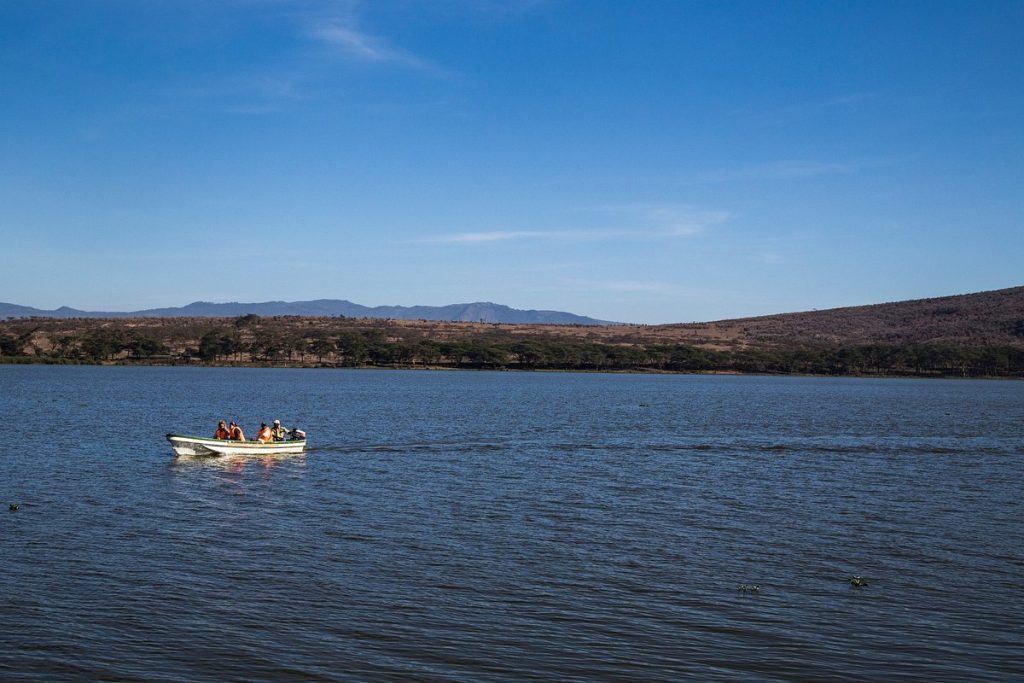
Embark on a 9 day journey through Kenya’s most iconic wildlife regions, from the rugged landscapes of Samburu and the scenic Rift Valley to the world famous Maasai Mara and serene Lake Naivasha. This safari...
Destinations :-
Cost: USD USD 3,942
No. Of Nights: 6
Per Person Sharing
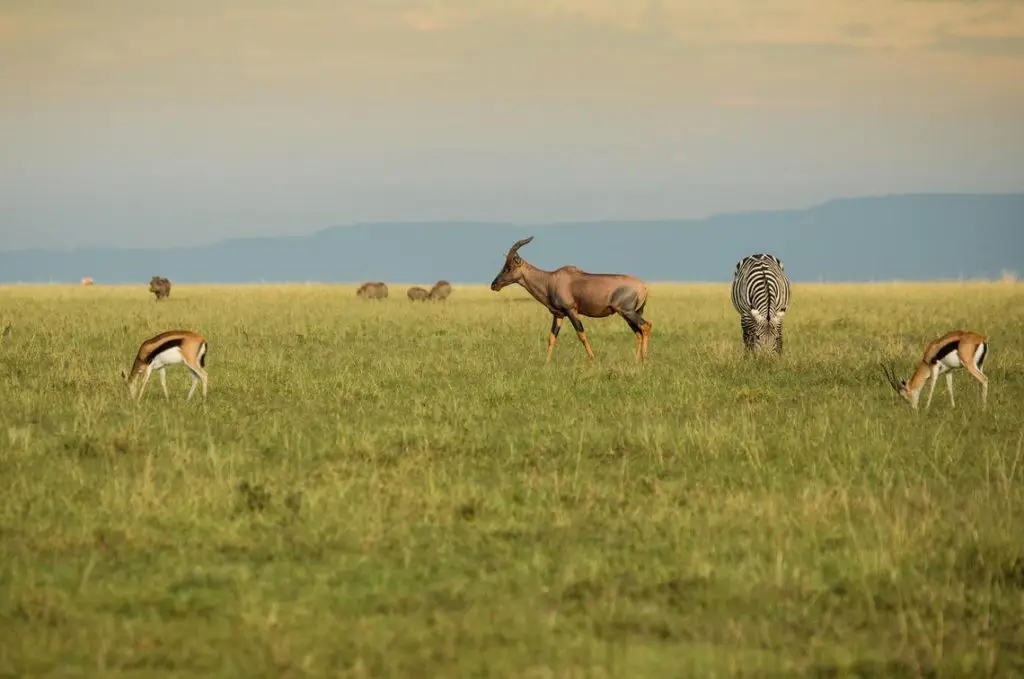
Explore the wonders of Kenya on this 7 day Kenyan safari, featuring stunning landscapes, rich wildlife, and unforgettable cultural experiences. From the serene waters of Lake Naivasha to the predator filled plains of the Maasai...
Destinations :-
Book Your Botswana Safari Holidays with Cheetah Safaris
Booking with Cheetah Safaris for your Botswana Safari adventures links you with ground professionals who specialize in low-impact, high-value tourism. We take care of all logistical arrangements in far-off areas such as the Okavango Delta and Chobe, ensuring a safe and smooth passage through one of the most exclusive wilderness areas in Africa.
We appreciate the intimacy of private concessions, using luxury fly-in safaris and mokoro trips to avoid congestion. Our professional guides will give you in-depth information about Botswana’s unique ecosystems, offering once-in-a-lifetime chances to track the Big Five and the rare African wild dogs in their natural, pristine habitats.
Making your safaris memorable involves customizing every aspect according to your interests. Whether you want a romantic Honeymoon Safari Experience in a private tented camp or a family holiday with sunset cruises on the Chobe River, we focus on comfort, safety, and personalized attention to ensure your investment is a lifelong treasure.
Financial Protection
You are guranteed of a safe, and peace of mind booking process, and as well safari payments. We ensure that your payments are secure and safe.
Sustainable Practices
Keeping in mind our efforts in wildlife, environment and natural resources protections, we are sustainable travel conscious and aware.
Ground Safari Expert
We Know Africa more than any one. We love taking our guests to the less explored destinations. Experiencing the magical touch of African Wild.
Positive Impact
Our Safaris are not only sustainable, but create very positive impacts to so many. We engage in school programmes, that inspires our future leaders.
17 Years of Experience
Cheetah Safaris has a combined of 69 years of safari expertise and practice in Africa. We will take care of your safari from arrival till departure.
Proffessional Guides
We have the best safari guides in East Africa. All our guides are Silver and Gold Guides. Hence you will learn so much with them while on safari.
Botswana safaris FAQs
Having Questions? Learn about our Botswana Safaris Bookings Q&A
If you have any questions regarding any of our Botswana Safari tours, you may find your answer below in our most frequently asked questions. However, don’t be afraid to get in touch if your query is not included for our experts to help you design your best Bush and Botswana Safaris.
Our team is happy to help discuss any of our safari packages, destinations, or general information, so you have peace of mind! Get in touch with us now.
When is the best time for game viewing?
The optimal time for game viewing in Botswana is during the dry season, which occurs between May and October, with the peak season being between August and October.
When is the best time for the Okavango Delta?
The Okavango Delta is best visited during the dry season, from June to October, when the floodwaters are at their peak, making it the perfect time for boat/mokoro safaris and game viewing. The best months to visit are July and August, when the weather is pleasant and the predators are most active.
What is the "Green Season" and when is it?
The Green Season in Botswana takes place from November/December to March, and it is the summer rainy season with green and lush landscapes, afternoon thunderstorms, and hot temperatures, which normally range between 30-35°C. This is the low season for tourism, and it is a great time to visit Botswana as prices are low.
Is it safe/good to visit in the summer?
Going to Botswana during the summer (November to March) is also safe, with a lush “Green Season” experience with fewer people, lower prices, and great birding/calving, despite the heat, humidity, and afternoon thunderstorms. It is safe from a security standpoint, although one must exercise care in the cities and be prepared for malaria.
When should I go for lower prices and fewer crowds?
For cheaper rates and fewer tourists, consider visiting during the shoulder season, April-May or September-October, or the low season winter months, excluding holidays. The weather is generally pleasant, and there are fewer people at popular sites.
Pack For a Purpose
Cheetah Safaris is a serious advocate of sustainable safari practices in Africa. As part of our efforts and initiative, we engage and support schools and children who need knowledge to better their lives. The best gift a child can be given is education, skills, and creativity.
In this case, we request our guests booking with us, to bring an extra back of supplies. This can be in terms of books, sports materials, and any other items that would change the lives of these kids.
- Education
- Sustainable Travel
- Wildlife Conservation
Let us help you customize your trip
Like all of our holidays on this site, this is just an idea. All of our trips are tailor-made, so we’ll always adapt them to suit you.
Talk to an Expert
Browse our Cheetah Safaris Website. We’ll match you with a Specialist in our team who is best suited to help you plan your next safari adventure. To start, submit your Safari Inquiries.
Prepare for your trip
Our Safari experts will be of help in planning your safari from start to end. They will advise you on all that you need to pack and travel documents, too. They will be ready to answer any queries you have.
When you return
We would love to hear from you about your trip with us. Your feedback will help us always work better and try to be the best. You can leave your review on our Reviews Page or TripAdvisor Page.
Partners / Memberships
People who always support and endorse our good work